

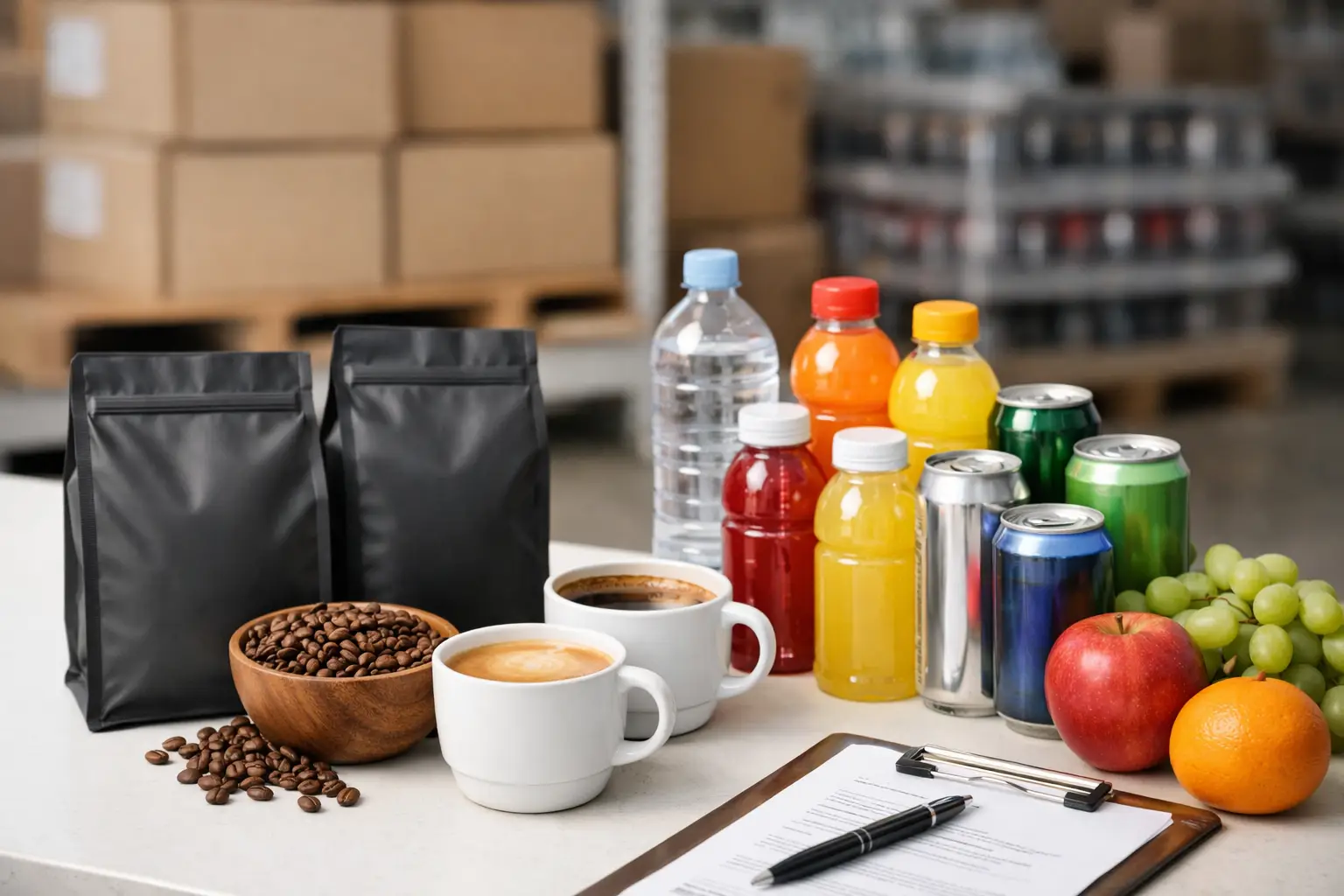
A café can survive one bad sales week. It usually cannot survive three bad supply weeks in a row. When your espresso blend changes without warning, your matcha goes out of stock, or your chai mix lands at a price that wrecks margin, the problem is rarely just purchasing. It is a sourcing problem. That is why a solid guide to wholesale beverage sourcing matters for any café owner, restaurant operator, or beverage brand trying to grow without losing consistency.
Wholesale beverage sourcing is not just about finding the lowest quote. It is about building a supply system that protects taste, margin, speed of service, and customer trust. The right sourcing approach helps you keep your menu stable while still leaving room to test new products, seasonal drinks, and better-value alternatives.
What wholesale beverage sourcing really means
At a basic level, sourcing is the process of selecting where your beverage products come from, how they are purchased, and how they fit into your operation. That includes coffee beans, tea, chocolate powder, matcha, chai, syrups, and even equipment if your supplier relationship extends that far.
For most operators, the real challenge is not access. It is fit. A supplier may carry excellent products but still be wrong for your business if lead times are inconsistent, minimum orders are too high, or the range does not match your menu. A neighborhood café has different needs than a multi-outlet chain. A home-based bottled drink brand has different priorities than a brunch spot serving all-day lattes.
Good sourcing sits at the intersection of quality, reliability, and cost control. Miss one of those, and the whole beverage program starts to wobble.
Start with your menu, not the catalog
One of the most common mistakes in wholesale buying is shopping product-first instead of menu-first. A supplier catalog can be impressive, but if you have not defined your core menu, you are more likely to overbuy, duplicate ingredients, or choose products that create unnecessary prep complexity.
Start with the drinks you need to serve every day. For many businesses, that means an espresso blend, one or two filter options, a house chocolate, a chai base, and a tea range that covers black, green, and herbal demand. From there, look at what supports upselling or seasonal variation without creating inventory drag.
This is where discipline matters. A broad range is useful, but only if it helps you simplify purchasing. If one supplier can cover beans, tea, matcha, and café staples with dependable quality, that can reduce admin time and lower the risk of stock gaps caused by juggling too many vendors.
How to evaluate suppliers in a guide to wholesale beverage sourcing
A strong supplier should make your operation easier, not more fragile. Price matters, but it should not be the first or only filter. Start by looking at consistency. Can they supply the same coffee profile over time? Are they clear about roast style, origins, and expected cup characteristics? Do their powdered mixes dissolve well and perform consistently in service?
Next, look at range and specialization. Some suppliers are strong in coffee but weak in tea. Others offer beverage powders but not the equipment support to help you execute them properly. If your menu spans multiple categories, a one-stop sourcing partner can be valuable, especially when it reduces freight complexity and ordering friction.
Responsiveness is another major factor that often gets ignored until something breaks. If a grinder fails, a shipment is delayed, or a product is discontinued, you need answers quickly. This is where experienced specialty beverage suppliers stand apart from generic distributors. They tend to understand what operational downtime actually costs.
Then there is transparency. You want clear pricing, sensible minimums, realistic lead times, and honest communication around stock availability. Fancy branding cannot make up for vague service terms.
Balance premium quality with workable margins
Every operator wants better products, but better products only work if the economics hold. A premium imported coffee may taste excellent and still be the wrong choice if your customer base will not support the selling price. The same goes for ceremonial-grade matcha in a high-volume menu where milk and syrup dominate the cup.
This is where sourcing becomes strategic. The goal is not to buy the cheapest product or the most prestigious one. The goal is to buy the right product for the role it plays on your menu. Your signature black coffee may justify a more distinctive roast. Your base chocolate for blended drinks may need strong flavor, good solubility, and stable cost more than rare provenance.
Think in terms of contribution margin, not just unit cost. A slightly higher-cost ingredient that improves repeat purchases or reduces waste may be the better buy. On the other hand, paying extra for product features your customers cannot taste is not a premium strategy. It is margin leakage.
Don’t ignore operational fit
A product can be excellent on paper and still fail in service. This is especially true in busy cafés and small F&B operations where speed, training, and consistency matter as much as flavor.
Ask practical questions. Does the coffee perform well across different baristas and machines? Does the chai powder mix cleanly without clumping? Can the tea format work during peak periods? Does the packaging size fit your storage setup and usage rate?
Operational fit also includes shelf life and ordering rhythm. Buying larger volumes may reduce cost per unit, but only if turnover is fast enough to maintain freshness and avoid dead stock. For coffee, this is critical. For powders and teas, the calculation is slightly different, but inventory aging still matters.
Equipment should also be part of the conversation. If your beverage supplier understands grinders, brewers, and espresso machines, they can often help you avoid the common problem of blaming ingredients for what is actually an equipment or calibration issue.
Build a sourcing system, not a series of emergency orders
A practical guide to wholesale beverage sourcing should go beyond product selection. The best operators create a repeatable system. They know their par levels, lead times, backup options, and reorder triggers. They track what moves fast, what stalls, and which drinks create the strongest return on shelf and prep space.
This does not need to be complicated. Even a simple weekly review of stock, sales mix, and upcoming promotions can improve purchasing decisions. Seasonal planning also matters. If colder months lift chocolate and chai demand, or a social trend suddenly spikes matcha sales, your sourcing plan should anticipate that instead of reacting late.
It also helps to separate core SKUs from experimental ones. Your core products should be highly dependable and easy to reorder. Experimental SKUs can rotate, but they should not put your everyday service at risk.
When local access creates real value
For buyers in Malaysia and Singapore, one practical sourcing advantage is access to premium imported beverage products without the usual hassle of managing multiple overseas orders and courier costs. That matters when you want a stronger range but still need predictable landed cost and fast replenishment.
This is one reason businesses often prefer a specialty supplier that curates across categories instead of forcing buyers to piece together coffee from one source, tea from another, and café powders from somewhere else. Auresso fits that model well for operators who want specialty credibility, wholesale readiness, and easier purchasing in one place.
Red flags that should make you pause
If a supplier cannot explain product differences clearly, that is a problem. If stockouts are common and communication is reactive, that is a bigger one. You should also be cautious when pricing looks unusually low without a clear explanation of grade, freshness, or formulation.
Another warning sign is poor alignment between what is sold and how it is used. A supplier who pushes products without understanding your menu, brew method, or service model is selling inventory, not helping you source well.
And if every order feels like starting from scratch, the relationship is not mature enough yet. Good wholesale supply should get easier over time because your supplier learns your business.
What better sourcing looks like over time
The strongest beverage programs usually do not come from chasing trends or constantly changing suppliers. They come from tightening the basics. Better sourcing means your best-selling drinks taste the way customers expect. It means your margins are protected even when costs shift. It means your team can order confidently without second-guessing every SKU.
There is still room for discovery, of course. New roasters, seasonal teas, and fresh menu ideas keep a beverage business interesting. But they work best when your core supply is stable and your purchasing decisions are grounded in how your operation actually runs.
If you treat sourcing as part of your beverage strategy instead of a back-office task, you make better decisions faster. And when the next busy weekend hits, that quiet work in the background is what keeps the bar moving, the drinks consistent, and the customers coming back.