

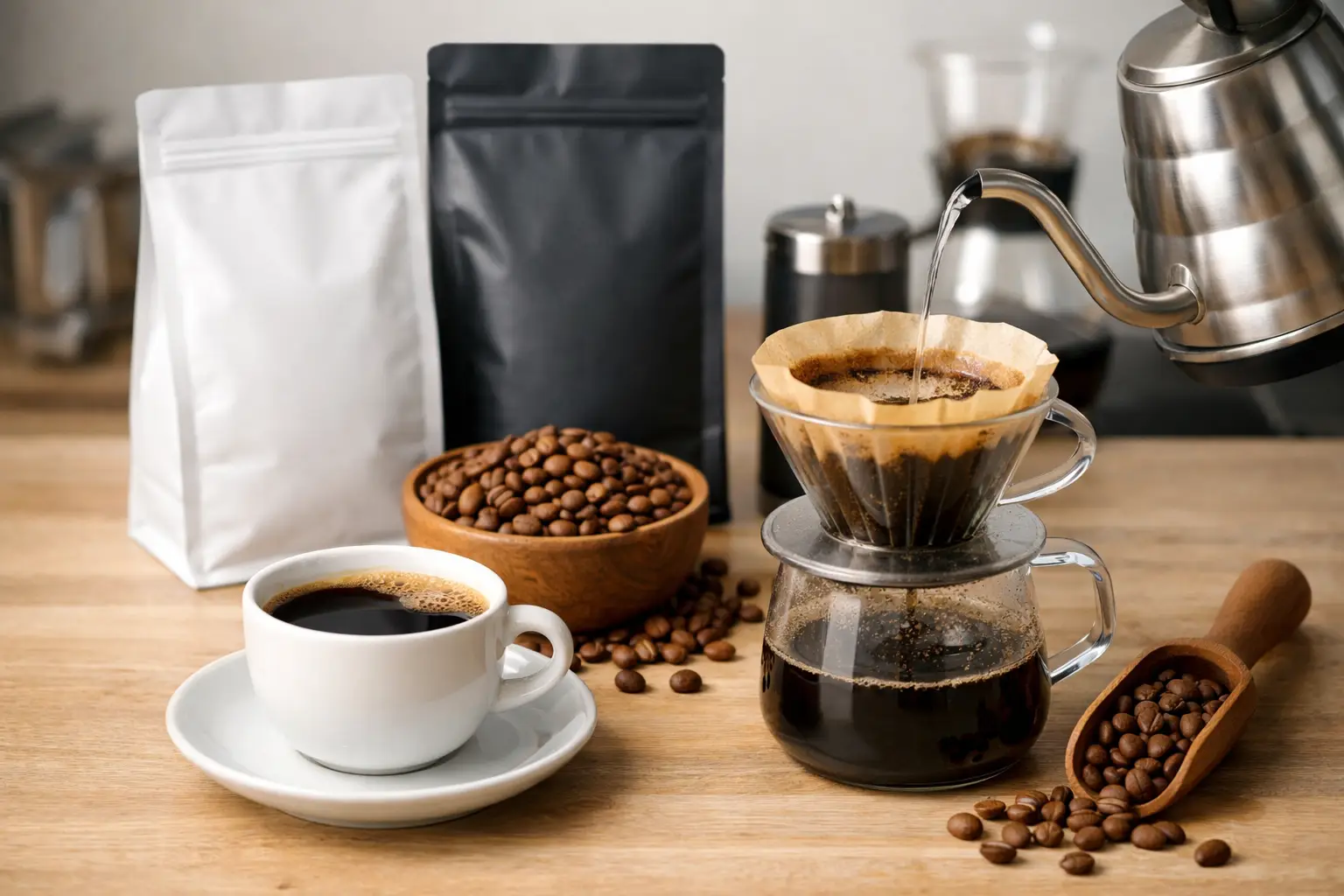
A coffee labeled filter roast coffee should make your brewer’s job easier, not harder. If you have ever brewed beans that tasted flat in a dripper but came alive as espresso, you have already seen why roast style matters. The roast profile influences how easily coffee extracts, how much clarity you get in the cup, and whether the flavors feel clean and layered or heavy and blunt.
For home brewers, that means a better chance of getting a sweet, balanced cup without fighting your recipe. For cafés and foodservice operators, it means more consistency across batches, easier dialing in, and a menu coffee that performs the way customers expect. The phrase itself is simple, but choosing the right filter roast coffee takes a bit more judgment than the label suggests.
What filter roast coffee actually means
Filter roast coffee is coffee roasted with brewed methods in mind – pour over, batch brew, Chemex, AeroPress, and similar setups where the goal is usually clarity, sweetness, and a more transparent expression of origin. In most cases, that points to a lighter roast than espresso, though not always a very light one.
The key difference is solubility and flavor balance. A filter-focused roast is often developed to extract well with longer contact times and gentler pressure. That usually helps preserve acidity, aromatic detail, and distinct notes such as citrus, florals, stone fruit, or cocoa. A darker roast can still be brewed as filter coffee, of course, but it may lean more toward roast-driven flavors than origin character.
This is where buyers can get tripped up. “Filter roast” is not a regulated term. One roaster’s filter roast may be bright and tea-like, while another’s may be medium, round, and chocolate-forward. The label tells you the intended use. It does not tell you everything about the cup.
Why filter roast coffee tastes different from espresso roast
The biggest shift is usually in development. Espresso roasts are commonly pushed a little further to improve body, reduce sharp acidity, and create a more forgiving extraction under pressure. Filter roast coffee often stays lighter to preserve structure and separation between flavors.
That does not make filter roast automatically better. It depends on what you want. If you like syrupy texture, lower-acid cups, and a flavor profile centered on chocolate, nuts, or caramel, a medium or espresso-leaning roast may suit you just fine, even in a drip brewer. If you want brightness, floral aromatics, or more obvious fruit character, a filter roast is more likely to deliver.
For cafés, the choice affects workflow too. A coffee roasted for filter service may be easier to present as a single-origin hand brew or batch coffee with a clear tasting note story. An espresso roast might offer broader crowd appeal if most guests expect a smoother, heavier cup. Neither is wrong. The right answer depends on your menu, your customer base, and how much education your service model allows.
How to choose a filter roast coffee
Start with process and origin before you get fixated on roast level. A washed Ethiopian coffee roasted for filter may give you jasmine, lemon, and black tea. A natural Brazil at a similar roast level can still taste like berries, chocolate, and roasted nuts. Roast matters, but green coffee character matters just as much.
Then consider your brewing setup. If you use a V60 or flat-bottom dripper and enjoy dialing in recipes, a lighter and more expressive coffee can be rewarding. If you rely on an automatic batch brewer at home or in a busy café, a slightly more developed filter roast may be the smarter buy because it tends to be more forgiving when brew parameters shift.
Freshness also deserves attention, but not in the way people often assume. Very fresh coffee can be harder to extract evenly because of trapped gas. Most filter roast coffee benefits from a short rest after roasting. The sweet spot varies by roaster and coffee, but many beans show better balance several days to two weeks after roast rather than immediately.
Roast level is only part of the story
It is tempting to reduce everything to light, medium, or dark, but those labels are broad and inconsistent. Two coffees both called light roast can behave very differently in the brewer. One may be dense, highly acidic, and need a finer grind or hotter water. Another may be sweeter and easier to work with right away.
That is why useful product selection goes beyond simple roast labels. Tasting notes, origin, processing method, and brewer recommendations often give a better read on whether the coffee fits your preference or business need. A dependable supplier should make those distinctions easier to understand, especially if you are buying for both retail shelves and service use.
Brewing filter roast coffee well
Most problems people blame on the beans are actually extraction issues. If your cup tastes sour, thin, or underdeveloped, grind a little finer, increase water temperature, or extend contact time slightly. If it tastes dry, bitter, or muddy, go coarser or shorten the brew.
Filter roast coffee usually responds best when water is hot enough to fully extract its soluble compounds. Lighter roasts often like higher temperatures than darker ones. A good grinder matters as much as the coffee itself because uneven particle size creates uneven extraction, and uneven extraction hides the work the roaster put into the coffee.
For business use, consistency matters more than chasing the perfect one-off cup. A coffee that tastes excellent only when brewed by your most experienced barista may not be the right batch brew option for a fast-moving service environment. In many cases, a slightly more developed filter roast with a wide brewing tolerance will outperform a highly delicate coffee over the course of a full week of service.
When filter roast coffee is the right buy
If you want to taste origin clearly, filter roast coffee is usually the right direction. It works well for home brewers who enjoy comparing producers, regions, and processing styles. It also suits cafés that want a rotating hand brew menu or a batch coffee that tastes distinct rather than generic.
It is also a smart choice for businesses building a tiered coffee program. You might keep an approachable house espresso for milk drinks and offer a separate filter roast to showcase something more seasonal or expressive. That gives customers options without forcing one coffee to do every job.
At the same time, not every customer wants high-acid or highly aromatic coffee. In some settings, especially broad-appeal foodservice, a mellow medium roast brewed as filter can be the better commercial decision. Good buying is not about following specialty trends. It is about matching the coffee to the audience and the equipment available.
Common mistakes when buying filter roast coffee
One mistake is assuming all light roasts are suitable for filter. Some are roasted light for espresso and can behave differently in brew methods without pressure. Another is buying based only on tasting notes without considering whether your grinder, water, and brew setup can support that style.
There is also the issue of overbuying. Filter coffees, especially more delicate and aromatic ones, are best when they move at a healthy pace. For wholesale buyers, freshness planning is part of quality control. For home brewers, it is usually better to buy a smaller amount you can finish while the coffee is still showing well.
Finally, avoid treating “filter” as a quality badge on its own. Great filter roast coffee should be sweet, clean, and intentional. If it tastes grassy, hollow, or sharply sour no matter how carefully you brew it, the problem may be the roast, not your technique.
A practical way to buy with confidence
If you are shopping for home, begin with flavor preference instead of roast jargon. Choose citrus and floral profiles if you like a brighter cup, or cocoa, nuts, and ripe fruit if you want something gentler. If you are buying for a café or beverage business, work backward from service style – hand brew, batch brew, or hybrid menu – then choose coffees that fit your workflow and customer expectation.
This is where a curated supplier adds real value. Good selection is not just about carrying more SKUs. It is about offering coffees with a clear purpose, dependable stock planning, and enough detail to help both enthusiasts and trade buyers make smart decisions. That is especially useful when you are balancing quality, price, and operational reliability across multiple beverage categories, not coffee alone.
Filter roast coffee rewards attention, but it should not feel complicated. The best choice is the one that fits your brewer, your taste, and the experience you want to serve. Start there, brew with intent, and let the cup tell you whether the coffee was roasted for the job.