

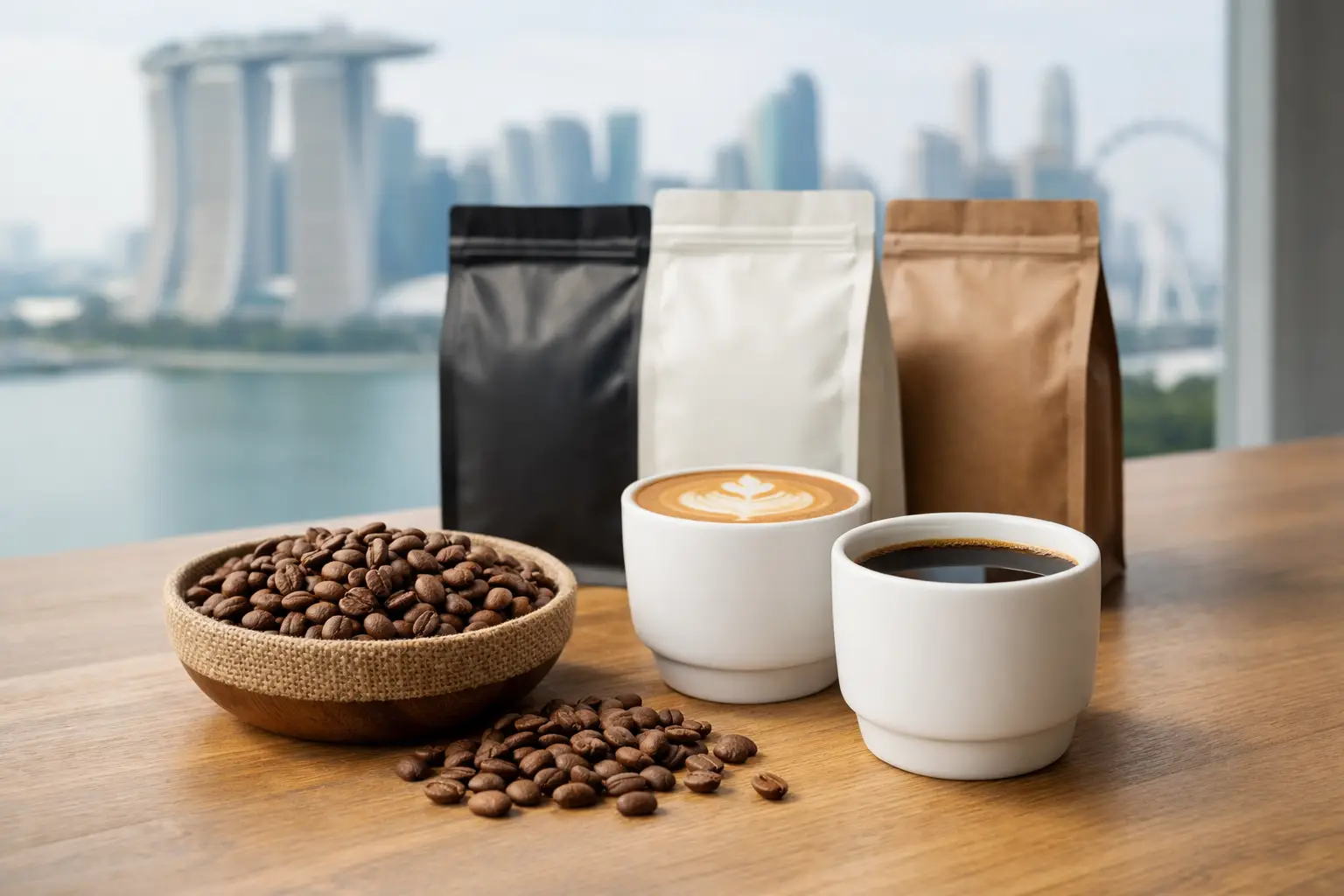
If you have ever bought a bag that smelled great on day one and tasted flat by the weekend, you already know the real challenge with coffee beans Singapore shoppers face – it is not just finding coffee, but finding the right coffee at the right freshness, price, and roast profile. For home brewers, that means a bag worth waking up for. For cafés and F&B teams, it means consistency in the cup and fewer headaches behind the bar.
Why coffee beans in Singapore can be tricky to buy well
Singapore has no shortage of coffee options. That sounds like good news until you are staring at dozens of labels promising floral acidity, chocolate notes, or barista-grade performance with very little context about what will actually work for your setup.
The problem is rarely a lack of choice. It is a lack of fit. A light roast single origin might be exciting on a pour-over bar but disappointing in a milk-heavy flat white. An espresso blend that performs beautifully in a busy café grinder may feel too intense for someone brewing one cup at home with a French press. Good buying starts when you stop asking which bean is best and start asking which bean is best for your use.
That matters even more in a market where buyers often balance quality with shipping speed, storage conditions, and price. Fresh roasted coffee is perishable. The gap between roast date and brew date changes the experience, especially when you are paying for specialty quality.
How to choose coffee beans Singapore sellers offer
A practical way to shop is to begin with brew method, then taste preference, then budget. That order saves time and reduces expensive trial and error.
Start with how you brew
If you use an espresso machine, you need beans that extract predictably under pressure. That usually means a roast profile developed for espresso, with enough solubility and balance to handle short extraction times. Many espresso drinkers prefer blends because they are built for consistency and body, especially in milk drinks.
If you brew with V60, Chemex, AeroPress, or a drip brewer, you have more room to explore lighter and more origin-driven coffees. These can highlight fruit, florals, and delicate sweetness, but they also punish poor grinding and weak technique. For many people, a medium roast is the sweet spot – expressive without being difficult.
For French press or cold brew, a chocolatey medium-dark profile often lands well. It gives comfort, texture, and a broad appeal that works for everyday drinking.
Then get honest about taste
A lot of buyers say they want premium coffee when what they really want is coffee that tastes reliably good every morning. Those are not always the same thing.
If you like nutty, chocolate-forward cups with low acidity, look for Brazil-heavy blends, medium roasts, or coffees labeled with caramel, cocoa, or toasted nuts. If you prefer brighter coffee, washed African origins or lighter roasted single origins may suit you better. If milk is part of the plan, sweetness and body usually matter more than subtle acidity.
This is where product curation matters. A well-selected range helps buyers move quickly toward the right profile instead of sorting through beans that may be excellent but irrelevant to their needs.
Finally, decide what value means for you
Value is not always the cheapest bag. For a home brewer, value may mean buying fresher beans that make every cup more enjoyable, even if the upfront price is slightly higher. For a café, value might mean a bean that is easy to dial in, performs consistently across shifts, and reduces waste.
A cheaper coffee that stales fast or extracts inconsistently can cost more in the long run. On the other hand, not every buyer needs a rare micro lot. There is a strong case for dependable blends and crowd-pleasing single origins that offer quality without turning every purchase into a high-risk experiment.
What separates a good supplier from just another listing
When people search for coffee beans Singapore options online, they usually compare by price first. That is understandable, but it misses the operational side of buying coffee.
A good supplier does more than stock beans. They help you buy with confidence. That can mean clear roast information, tasting notes that match reality, visible reviews, strong stock turnover, and fast fulfillment. For business buyers, it also means wholesale readiness, steady supply, and access to complementary items such as syrups, chocolate, chai, matcha, and equipment.
That last point matters more than it seems. Many cafés and beverage operators do not just need coffee. They need a sourcing partner who can support a wider menu and reduce supplier fragmentation. Ordering coffee beans, tea, chocolate powder, and grinder-related items from one dependable source is not glamorous, but it saves time and simplifies operations.
Coffee beans Singapore home brewers should look for
Home users usually benefit from buying less often and buying smarter. The ideal bag is not necessarily the most expensive or the most talked about. It is the one that suits your brewing habit.
If you brew one or two cups a day, freshness window matters more than variety. It is often better to buy smaller bags more regularly than to stock up on large bags that lose character before you finish them. If your grinder is entry-level, a forgiving medium roast will usually outperform a delicate light roast that needs a tighter grind range and more precision.
There is also no shame in preferring blends. Blends are often dismissed by newer coffee drinkers chasing single origin labels, but a strong blend can be one of the best choices for consistency, comfort, and price. If your goal is a balanced daily cup, blends often do that job exceptionally well.
What cafés and F&B operators should prioritize
Trade buyers need to think beyond flavor alone. A bean might taste fantastic in a tasting session but create problems during service. That is why café buyers should evaluate coffee on three levels: cup quality, workflow, and margin.
Cup quality is obvious. The coffee needs to taste good black and, if relevant, through milk. Workflow is less obvious but just as important. Can the coffee be dialed in without constant adjustment? Does it hold up across morning rushes, different baristas, and changing ambient conditions? Margin matters because even a popular coffee can become difficult to sustain if the cost structure is too tight.
For many businesses, the best answer is not the most complex coffee. It is the coffee that performs. A dependable espresso blend with good body, sweetness, and broad customer appeal often beats a highly distinctive single origin that only a small percentage of customers truly appreciates.
That does not mean cafés should avoid specialty character. It means they should match ambition to audience. A brunch café serving mostly lattes has different needs from a filter-focused specialty bar.
Common mistakes buyers make
One mistake is buying based on tasting notes alone. Descriptors can guide expectations, but they are not guarantees. Your grinder, water, brew ratio, and recipe all shape the final cup.
Another is chasing roast date extremes. Fresher is generally better, but coffee is not always at its best immediately after roasting. Some beans need a few days to rest, especially for espresso. A useful supplier helps buyers understand that balance instead of treating roast date as a gimmick.
The third mistake is ignoring support. When something goes wrong, whether that is a poor brew result at home or inconsistent extraction in a café, access to advice matters. Responsive guidance has real value.
The smart way to buy coffee beans now
The strongest buying approach is simple. Choose beans by use case, buy from curated sources with clear information, and favor consistency over hype unless you specifically want to experiment.
That is where a specialty beverage supplier with both retail and wholesale capability can make a real difference. Instead of bouncing between sellers, buyers can compare roasters, roast styles, and beverage ingredients in one place, with the practical benefit of better pricing visibility, faster local fulfillment, and fewer compromises on freshness or quality.
Coffee should feel exciting, but the buying process should feel easy. Whether you are stocking a café grinder, dialing in a home espresso machine, or just trying to stop wasting money on disappointing bags, the best choice is usually the one that matches your routine and delivers every time you brew.
A good bag of coffee does not need a dramatic story. It just needs to show up fresh, brew well, and make you want the next cup.