

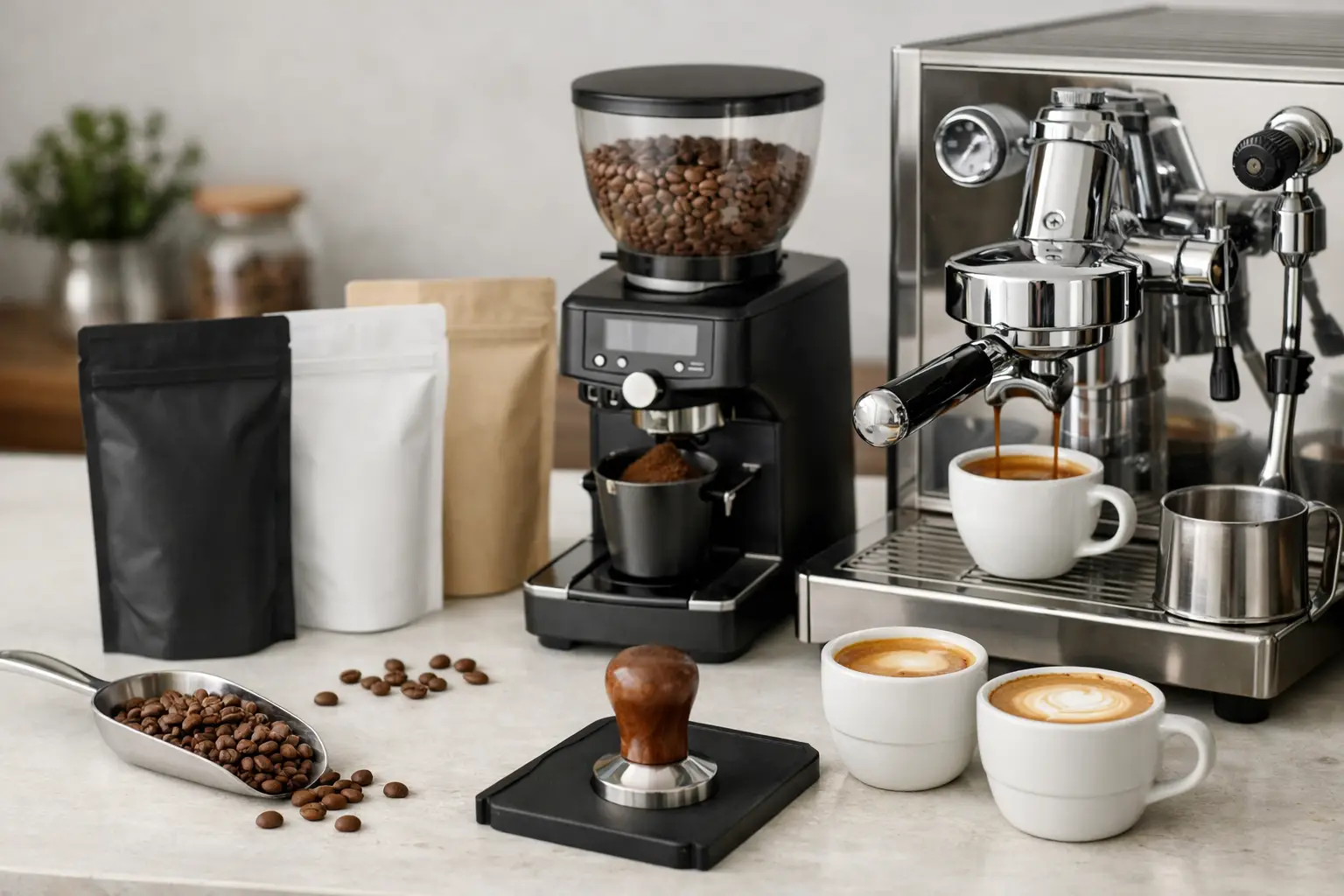
Your espresso tastes sharp one morning, muddy the next, and somehow both shots came from the same bag. That is usually not a bean problem. It is a grinder setup problem. A solid espresso grinder setup example gives you a repeatable starting point, which is what turns random good shots into consistent ones.
For both home brewers and café teams, the grinder is where espresso quality starts to become measurable. Machine pressure and water temperature matter, but grind size controls flow, extraction, and how forgiving the shot will be. If your grinder is not set up with a clear process, every other adjustment becomes guesswork.
A practical espresso grinder setup example
Let’s start with a realistic baseline. Say you are using a medium espresso roast, an 18 gram basket, and a standard double shot recipe. A dependable espresso grinder setup example would be 18 grams in, 36 grams out, in 28 to 32 seconds, with the grind adjusted fine enough to create steady resistance but not so fine that the shot stalls.
That recipe is not magic, and it is not universal. It is simply a strong default. For a home user, it gives a clean target to work toward. For a café, it gives staff a reference point that makes shift changes and training easier.
If the shot reaches 36 grams in 20 seconds, the grind is probably too coarse. If it takes 40 seconds and tastes dry or bitter, the grind is likely too fine. Starting from one clear recipe keeps the workflow simple – change one variable, taste, and repeat.
What the setup actually includes
A grinder setup is more than turning the collar finer or coarser. It includes burr condition, grind adjustment range, dose consistency, retention behavior, and the way the grinder fits your espresso recipe. In a busy café, it also includes how quickly the grinder recovers between shots and whether multiple baristas can use it without drifting off target.
For home use, the focus is usually precision and ease of dialing in. You want low clumping, stable grind size, and small enough adjustment steps to make meaningful changes. For commercial use, speed and consistency matter just as much. A grinder that produces excellent espresso but struggles during a rush can still create service problems.
That is why setup should always match the use case. A single-dose workflow at home can be excellent for freshness and control, but a hopper-fed system may make more sense for a high-volume bar where workflow is tight and waste needs to stay low.
The baseline recipe
If you need a starting point, use this logic. Choose your basket size first, then match your dose to it. An 18 gram basket should usually hold around 18 grams, sometimes slightly less or more depending on the coffee and basket shape. Then set a brew ratio of 1:2, so 18 grams in becomes 36 grams out.
From there, grind fine enough that the shot lands around 30 seconds from pump start. Taste the result before changing the recipe. If the shot is sour, hollow, or finishes too quickly, tighten the grind. If it is bitter, harsh, or drags too long, open the grind slightly.
Why this example works
This setup works because it gives balance. A 1:2 ratio is long enough to extract sweetness and structure, but short enough to keep body and intensity. Around 30 seconds is not a rule, but it often places the shot in a useful range where flavor differences become easier to diagnose.
The real benefit is consistency. Once you know what your grinder does at this baseline, you can adapt for darker roasts, lighter roasts, milk drinks, or a different basket. Without a baseline, every bag feels like a fresh problem.
How to dial in from this espresso grinder setup example
Start by purging a small amount of coffee after any grind adjustment. Retained grounds from the previous setting can confuse the next shot, especially on grinders with higher retention. Then dose carefully, distribute evenly, tamp level, and pull a shot using the same workflow every time.
Watch the shot and taste it. Time matters, but flavor matters more. A shot that runs in 27 seconds and tastes sweet is better than a 30-second shot that tastes flat and bitter. The timer tells you where you are. The cup tells you what to do next.
If the shot tastes sour and thin, go finer before changing dose or yield. Grind size is usually the cleanest first adjustment. If the shot tastes bitter and heavy, go slightly coarser. Make small changes, not dramatic ones. Espresso punishes overcorrection.
If you are close but not quite there, then adjust yield. Keeping the same dose but pulling a little shorter can increase body and intensity. Pulling a little longer can reduce harshness and bring more clarity, especially if the shot feels cramped or underdeveloped.
Common mistakes that make setup harder
One of the biggest mistakes is changing too many variables at once. If you adjust grind, dose, and yield together, you will not know what actually improved or damaged the shot. Keep the process controlled.
Another issue is inconsistent dosing. If one shot is 18 grams and the next is 18.7, your timing and flavor feedback become less useful. The grinder may be fine, but your setup will still feel unstable. A scale is not optional if you want repeatability.
Old burrs can also create confusing results. Worn burrs often produce more fines, less clarity, and slower dialing in because shots become less predictable. If the grinder used to respond cleanly to adjustments and now feels vague, burr wear may be part of the issue.
Finally, do not ignore coffee age. Freshly roasted coffee can run differently from the same coffee after ten days of resting. If your grinder setup keeps drifting, the coffee itself may be changing. That is normal, especially with espresso.
Home setup versus café setup
At home, you can afford a slower, more deliberate routine. Single dosing, brushing out the chute, weighing every input and output, and making very fine adjustments all make sense. The goal is usually quality first, speed second.
In a café, setup has to survive volume. That means your grind setting should be close enough that a barista can maintain target shots through a busy service with minimal waste. You also need a workflow that handles humidity changes, hopper refill timing, and different staff habits.
This is where a written recipe helps. A simple card with dose, yield, target time, and taste notes keeps the whole team aligned. It reduces the chances of one barista chasing a fast shot while another responds by changing the yield instead of the grind.
For businesses, the best setup is not always the most technical one. It is the one your team can repeat under pressure while still producing espresso that tastes like your menu is supposed to taste.
When the standard recipe should change
Not every coffee likes 18 grams in and 36 grams out. A darker roast may taste better with a slightly shorter ratio, like 18 in and 32 out, to keep bitterness under control and preserve texture in milk drinks. A lighter roast may open up at 18 in and 40 out, especially if you want more clarity and acidity.
Basket size also matters. A 20 gram basket run at 18 grams can behave differently than an 18 gram basket run at 18 grams. Headspace, puck resistance, and flow all shift. The grinder setup should follow the actual basket and coffee, not just a number copied from someone else’s recipe.
Humidity and room temperature can also move the target. In café environments, especially in warm and humid conditions like Malaysia and Singapore, grinders often need minor adjustment through the day. That does not mean the grinder is inconsistent. It means espresso is sensitive, and the setup has to keep up with the room.
What a good setup feels like in daily use
A good grinder setup feels calm. Shots land close to target without constant correction. The coffee bed stays manageable, distribution is easy, and flavor changes make sense when you adjust the grind. You are not fighting the equipment every morning.
That matters whether you are pulling two shots before work or serving two hundred drinks in a shift. Consistency saves coffee, saves time, and protects drink quality. It also makes buying decisions easier, because you start to understand what your grinder is actually contributing to the cup.
If you are building your first espresso station or refining a café bar, use one practical recipe, learn how your grinder responds, and keep the process steady. The best espresso grinder setup example is not the one with the most complicated numbers. It is the one you can repeat tomorrow and trust again next week.