

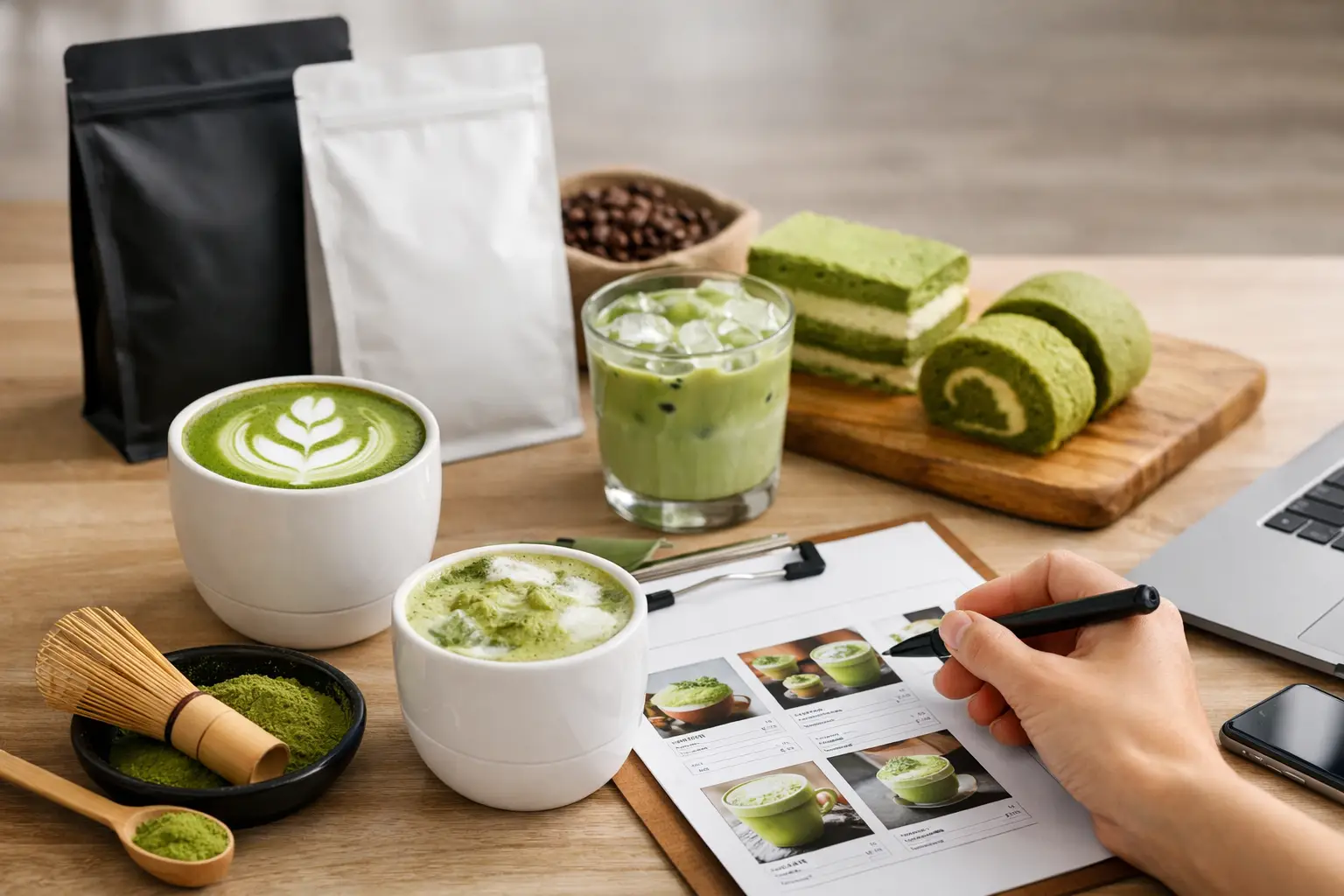
One extra matcha latte on the menu rarely changes a café’s numbers. A well-built matcha program can. That is the real lesson behind any useful cafe matcha menu case study – matcha works best when it is treated as a system, not a single trendy drink.
For café owners and beverage buyers, the appeal is obvious. Matcha brings premium pricing, a different customer base than coffee alone, and strong visual appeal. It also creates operational pressure fast. If the recipe is too fussy, the bar slows down. If the powder quality is inconsistent, customers notice. If the menu gets crowded with too many variations, staff confidence drops and waste goes up.
This case study looks at a practical café scenario: a specialty café adds a focused matcha menu to increase afternoon sales, attract non-coffee drinkers, and improve average ticket size. The results are not magic. They come from menu discipline, good sourcing, and a setup that works during a rush.
The starting point in this cafe matcha menu case study
Picture a café with strong espresso sales in the morning, weaker mid-afternoon traffic, and a customer base that already buys iced specialty drinks. The owner wants more beverage options without expanding the kitchen or hiring more staff. Matcha is a logical addition because it fits hot and cold service, pairs well with dairy and plant milk, and supports both simple and signature recipes.
The first mistake many cafés make is launching with six to ten matcha drinks at once. That sounds exciting, but it usually creates a training problem before it creates revenue. In this case, the café started with three core drinks: a hot matcha latte, an iced matcha latte, and a strawberry matcha latte. That mix covered the basics, gave staff easy repetition, and offered one visual hero item for social sharing.
That restraint mattered. A smaller menu let the team standardize scoop size, liquid ratios, cup builds, and pricing. Customers were not overwhelmed. The café could also forecast powder usage more accurately, which helped with purchasing and stock control.
Why matcha worked when other menu additions did not
The café had tested seasonal syrups before, but those drinks were too dependent on promotions and often cannibalized existing latte sales. Matcha behaved differently. It brought in some coffee customers, but it also attracted customers who wanted lower perceived acidity, less bitterness, or a more tea-forward drink.
There is also a pricing advantage. Customers generally accept a premium for matcha if the product looks and tastes deliberate. That premium only holds, though, when the drink has a clean finish, vivid color, and consistent texture. Cheap powder or poor mixing ruins the experience fast.
From an operations standpoint, matcha also gave the café menu flexibility. A single powder could support hot lattes, iced drinks, fruit pairings, and limited-time specials. Compared with carrying multiple niche syrups or ingredients that move slowly, a good matcha powder can have broader menu utility.
Building the menu for speed and margin
The café made one smart decision early: it did not treat every drink as a separate recipe family. Instead, it built one base spec and adapted from there.
For the standard latte, the team used one measured serving of matcha, one small amount of warm water for proper mixing, and a fixed milk volume by cup size. The iced version followed the same flavor target, adjusted for dilution. The strawberry version added a pre-portioned fruit base at the bottom of the cup. That approach kept the workflow tight.
This is where many cafés either protect margin or quietly lose it. If the powder dose changes by barista, profitability changes by barista too. If signature drinks need three extra steps, they become rush-hour liabilities. In this case, each drink was designed to be teachable in a few shifts and executable under pressure.
Pricing followed the same logic. The café priced matcha above its standard latte range, not as a novelty add-on but as a premium core beverage. The strawberry version carried a further uplift because it added labor and ingredient cost while delivering stronger visual appeal. Customers accepted the difference because the menu positioning was clear.
The sourcing lesson most case studies skip
A cafe matcha menu case study is incomplete without talking about powder quality. Matcha is one of those categories where cafés can hurt themselves by buying only on unit cost. Lower-cost powder may look acceptable in a sealed bag but perform poorly in the cup, especially with milk.
The café tested a few grades and found a common trade-off. Premium ceremonial-style matcha delivered excellent color and aroma but pushed drink cost too high for everyday menu use. Entry-level powder protected cost but became too bitter in larger milk drinks. The best fit was a café-focused grade that balanced color, flavor strength, and price stability.
That middle ground is often where smart beverage programs land. Not every menu needs the highest grade available. It needs the right grade for the drink format, target selling price, and customer expectation. For most cafés, consistency across dozens or hundreds of cups matters more than chasing a label that sounds impressive on paper.
Reliable supply also matters more than many operators expect. If the powder changes every few weeks because of stock issues, staff have to recalibrate recipes and regular customers notice taste differences. A dependable supplier relationship reduces that risk and makes planning easier, especially for cafés managing wholesale volume or multiple outlets.
Training was the real profit driver
The café’s best result did not come from marketing. It came from training. Staff learned three non-negotiables: sift or mix thoroughly to avoid clumps, follow the exact dose, and present the drink cleanly every time.
That may sound basic, but matcha exposes small mistakes. A rushed mix creates grit. Overheated water dulls the flavor. Poor layering on iced signature drinks weakens visual impact. Because the menu was small, the team could focus on precision rather than memorizing too many builds.
The café also created a simple rule for substitutions. Oat milk and other alternatives were allowed, but each had a set upcharge and the same cup build. No improvised custom recipes at the register. That protected speed and reduced decision fatigue during busy periods.
What the numbers likely looked like
Exact figures vary by concept, but the business effects were easy to spot within the first few months. Afternoon beverage sales improved because matcha appealed to customers who were not looking for another espresso drink. Average ticket size rose when customers paired iced matcha with pastry or dessert. Waste stayed manageable because the menu relied on a shared base ingredient rather than several slow-moving components.
The strongest seller was usually the iced matcha latte, not the most creative drink. That is another useful lesson. Signature items can help attract attention, but the core volume often comes from simple drinks executed well. A menu needs a hero, but it also needs a dependable workhorse.
There were trade-offs. Matcha took more care than pulling a shot and steaming milk. New staff needed coaching to hit the right texture and flavor. During intense rushes, the café had to keep tools organized and prep levels tight. Still, the program earned its place because the margin and demand justified the extra discipline.
When a larger matcha menu makes sense
After the three core drinks proved themselves, the café added one rotating special at a time instead of expanding permanently. That is usually the better path. Limited seasonal flavors create interest without forcing permanent complexity onto the bar.
A larger menu makes sense when the base drinks already sell consistently, staff turnover is under control, and ingredient sourcing is stable. If any of those pieces are weak, expansion usually hurts more than it helps. More choices can look customer-friendly, but too many low-volume drinks often create stock issues, uneven quality, and slower service.
For operators in Malaysia and Singapore, where iced beverage demand stays strong year-round and café customers are open to tea-forward drinks, matcha can be especially productive. But the market is also competitive, which makes consistency even more valuable. A strong-looking drink is not enough if repeat orders do not follow.
What café owners should take from this case study
The takeaway is simple. Matcha performs best when it is built like a serious beverage category, with controlled recipes, sensible pricing, and supply you can trust. It is not just there to make the menu look current.
For cafés planning their next menu revision, the most profitable starting point is usually narrow: one high-quality powder, two or three clearly positioned drinks, and training that removes guesswork. Suppliers that understand both product quality and café operations, including partners like Auresso, can make that rollout easier because buying the right powder is only part of the job. The real win is having a menu your team can deliver consistently.
If your café is considering matcha, start smaller than you think, standardize faster than feels necessary, and let customer demand earn the right to expand.