

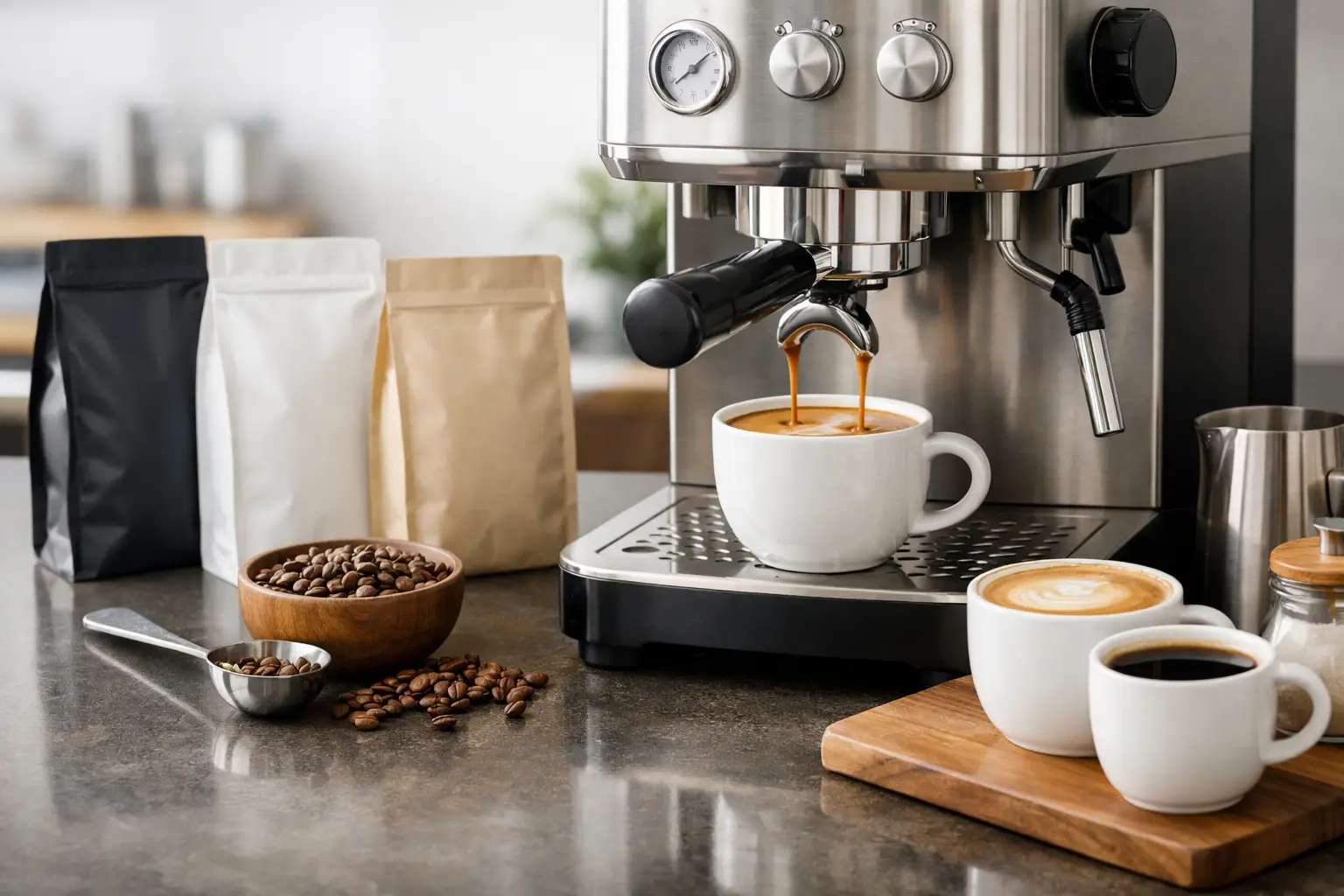
A good espresso setup is rarely about the machine alone. It is about how that machine fits your daily volume, your coffee standards, your staff skill level, and the kind of drinks you plan to serve. That is why shopping for an espresso machine Malaysia buyers can rely on takes more than comparing price tags or chasing the biggest boiler on the page.
For home users, the wrong choice usually shows up as wasted counter space, inconsistent shots, or a grinder that cannot keep up. For cafés and foodservice operators, the mistake is more expensive. Slow recovery time, limited steam power, or difficult maintenance can affect service speed and cup quality within the first busy weekend. A smart purchase starts with matching the machine to the real job.
What matters most when buying an espresso machine in Malaysia
The first question is not brand. It is demand. A home barista making two milk drinks in the morning needs a very different machine from a café pulling 150 shots a day. If you start with output, many of the flashy details become easier to judge.
For home use, temperature stability, compact size, ease of dialing in, and good steam performance matter more than maximum capacity. For commercial use, group head count, boiler recovery, workflow, durability, and after-sales support usually carry more weight. In both cases, consistency is the point. A machine that can make one excellent cup but struggles on the third or fourth is not a practical investment.
Water quality also deserves more attention than it usually gets. In Malaysia, local water conditions can vary, and scale buildup can shorten machine life and affect taste. A strong machine paired with poor water treatment will still produce avoidable problems. If you are buying for a business, this is operational, not optional.
Espresso machine Malaysia buyers usually compare by type
Most buyers end up choosing from three broad categories, and each has clear trade-offs.
Manual and lever machines appeal to enthusiasts who enjoy control and ritual. They can produce beautiful espresso in skilled hands, but they are less forgiving and slower in everyday use. For most busy households and nearly all commercial settings, they are more niche than practical.
Semi-automatic machines are often the sweet spot for home brewers and specialty-minded small businesses. They allow the user to control shot timing while the machine manages pressure and temperature more predictably. If you care about learning espresso properly without making every drink a full project, this category makes sense.
Automatic and volumetric commercial machines focus on consistency and speed. In a café, that matters. Staff turnover happens, queues build fast, and the machine needs to deliver repeatable shots with less room for error. The trade-off is cost and complexity, but for operations with steady traffic, those features usually pay for themselves.
Home versus commercial needs are not interchangeable
One of the most common buying mistakes is assuming a high-end home machine can fill a light commercial role. Sometimes it can for a small office or low-volume setting, but that depends on duty cycle, steam demand, and how many drinks are being made back to back.
A home machine may produce excellent espresso for a couple of users, yet struggle when asked to steam milk continuously during a brunch rush or office event. Thermal stability drops, recovery takes longer, and wear happens faster. On the other hand, a full commercial unit in a home kitchen can be excessive in both size and power consumption.
If you are buying for a café, kiosk, bakery, or restaurant, think beyond the espresso shot. Milk drinks usually dominate orders. That means steam strength, multitasking ability, and ergonomic workflow matter as much as extraction quality. A machine that looks impressive on paper but slows down your barista station is not helping your business.
Features worth paying for and features that depend
PID temperature control is one of the most useful features for buyers who care about consistency. It helps stabilize brew temperature and makes dialing in easier, especially when working with lighter roasts or changing beans. For a home user who buys quality coffee regularly, this is often worth paying for.
Dual boilers are valuable when you need to brew and steam at the same time without compromise. That can be a real advantage for milk-heavy households and commercial environments. Still, not every buyer needs one. A well-built heat exchanger machine can be a strong middle ground if workflow and budget need balance.
Pre-infusion can improve extraction, particularly with fresh specialty coffee, but its value depends on how much control you want and whether your grinder is good enough to support that precision. The same goes for pressure profiling. It is a meaningful tool for experienced users, but for many buyers, it is not the first upgrade that improves cup quality.
Touchscreen controls and programmable drink buttons can be useful in commercial settings where speed and consistency matter. At home, they are more about convenience than necessity. Build quality, serviceability, and parts availability usually matter more over time than flashy interface design.
Do not separate the machine from the grinder
A capable espresso machine paired with a weak grinder is one of the fastest ways to disappoint yourself. Grind consistency affects shot time, extraction balance, body, and crema far more than many first-time buyers expect. If your budget is limited, it is often smarter to balance the spend across both pieces of equipment rather than putting everything into the machine.
For home users, a good espresso grinder makes dialing in less frustrating and helps you get the most from better beans. For businesses, grinder speed, retention, adjustment precision, and reliability affect both drink quality and bar flow. A machine can only perform as well as the preparation before the coffee reaches the portafilter.
This is where buying from a specialty beverage supplier can make the process easier. The right recommendation often comes from understanding the full setup – machine, grinder, beans, water, and expected volume – rather than selling one standalone item.
Budgeting for the real cost of ownership
The purchase price is only the beginning. Maintenance supplies, water filtration, cleaning routines, replacement parts, and electricity all shape long-term value. Commercial buyers should also think about downtime. A lower-cost machine that is harder to service or less reliable during peak hours can cost more over a year than a better-built alternative.
For home buyers, long-term value usually comes from durability and ease of use. If a machine feels intimidating, takes too long to warm up, or demands constant fiddling, there is a good chance it will be used less than expected. A slightly simpler machine that delivers dependable results every day can be the better purchase.
There is also the cost of coffee waste. Inconsistent temperature, poor steam power, or difficult adjustment can burn through beans and milk while you troubleshoot. That matters whether you are serving paying customers or making your own morning flat white.
How to narrow down the right espresso machine Malaysia market options
Start with your volume. Estimate how many espresso-based drinks you will make in a typical day and during your busiest period. Then be honest about your skill level and who will use the machine. A trained barista can get more from a flexible machine, while a broader team usually benefits from more guided controls.
Next, think about drink mix. If most of your orders are black coffee, your priorities may lean toward extraction consistency and precision. If milk drinks dominate, steam recovery and workflow should move higher on the list.
Then consider support. Availability of consumables, replacement parts, and practical troubleshooting matters. This is especially true for business buyers who cannot afford long interruptions. A supplier that understands both equipment and beverage operations can help you avoid mismatched purchases. For buyers comparing options through Auresso, that practical fit is often the difference between a machine that merely works and one that supports real daily service.
Finally, buy for the next stage of use, not an imaginary future. It makes sense to leave some room for growth, but overspending on capacity you will not use soon can tie up capital better spent on grinders, beans, training, or menu improvements.
The best espresso machine is not the most expensive one on the market. It is the one that keeps pace with your routine, supports the taste you want in the cup, and holds up when the pressure is on. Choose with that in mind, and the machine will earn its place every day.