

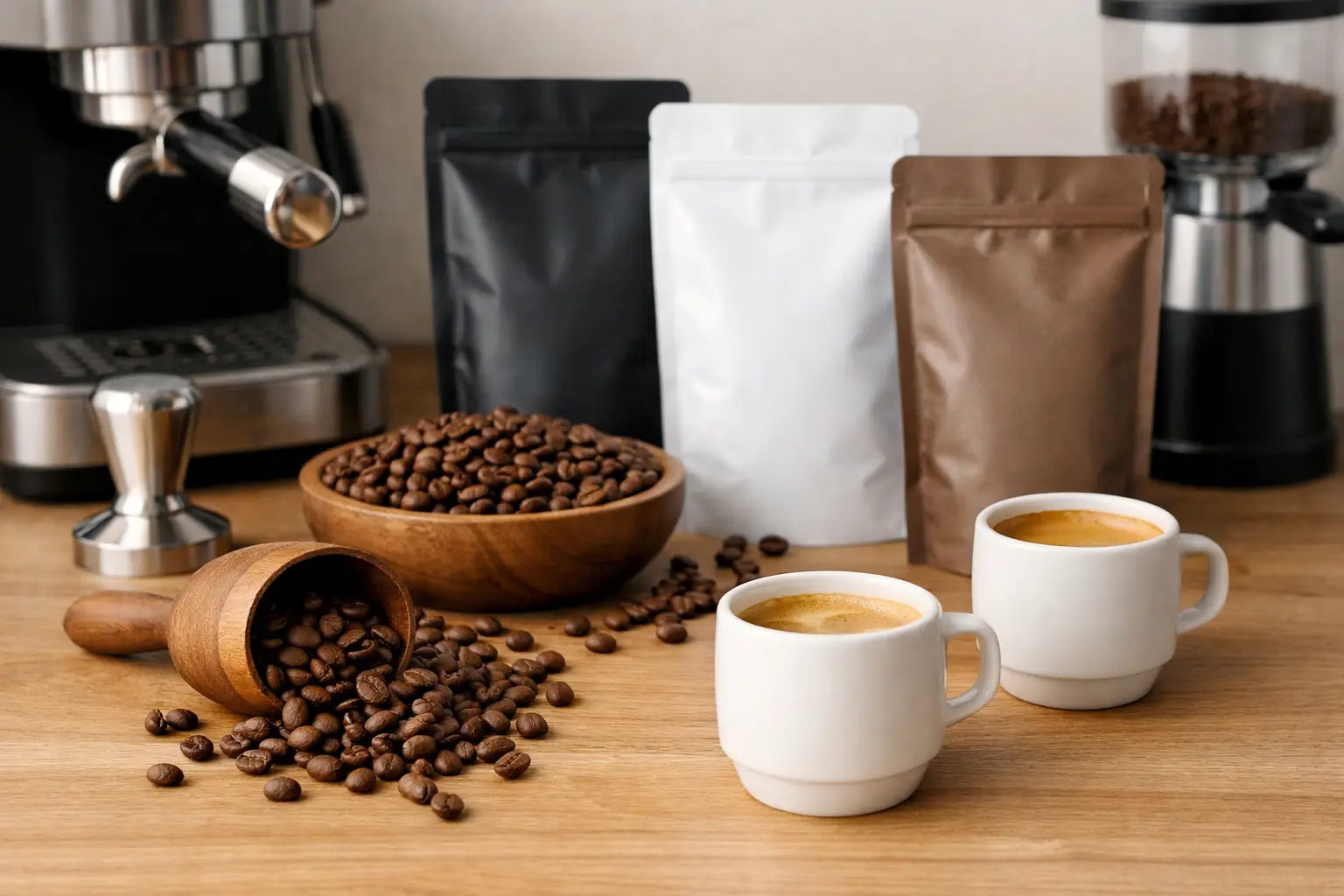
A home espresso machine is remarkably honest. Give it coffee that is too old, too lightly developed, or simply not to your taste, and the cup will tell you immediately. The best coffee beans for home espresso are not defined by a single origin or a dark, oily roast. They are the beans that produce a sweet, balanced shot on your machine, with a grind setting you can repeat before work.
That practical definition matters. A café may have a high-volume grinder, filtered water, and a barista adjusting the recipe throughout service. At home, consistency is often more valuable than chasing the most unusual tasting notes. Start with beans that are fresh, suited to espresso, and aligned with how you actually drink coffee: straight, with milk, or both.
What Makes Coffee Beans Work Well for Espresso?
Espresso uses pressure to push a small amount of water through a compact coffee puck. That concentrated method amplifies everything in the bean, including sweetness, acidity, bitterness, roast character, and defects. A coffee that tastes pleasant in a filter brewer can still be sharp, thin, or difficult to dial in as espresso.
For most home brewers, a medium to medium-dark roast is the most dependable starting point. These roasts tend to offer enough solubility for a balanced extraction without the smoky, ashy edge that can come from very dark roasting. Look for flavor descriptions such as chocolate, caramel, brown sugar, toasted nuts, dried fruit, or gentle stone fruit. Those notes usually translate well into a full-bodied shot with a stable crema.
Freshness is equally important. Coffee needs a short resting period after roasting so excess gas can escape, but it should not sit around indefinitely. Espresso is generally easiest to dial in when beans have rested for roughly one to four weeks after roast. A clear roast date gives you more useful information than a vague best-before date.
Best Coffee Beans for Home Espresso by Drinking Style
The right bean depends less on what is considered “best” by someone else and more on what ends up in your cup. Your preferred milk drink, shot size, and tolerance for acidity should shape the purchase.
For milk drinks: choose chocolatey blends
If cappuccinos, flat whites, and lattes are your daily order, choose an espresso blend with a medium or medium-dark roast profile. Blends built around Brazilian, Colombian, Indonesian, or similar coffees often bring cocoa, nuts, caramel, and a heavier body. Milk softens bright acidity and highlights sweetness, so these flavors remain clear rather than disappearing.
A blend is not a compromise. It is often designed specifically for consistency, texture, and balance. For a busy household or a small office setup, that reliability can make it the smarter choice. You are more likely to get a satisfying coffee with less grinder adjustment when the weather changes or a new bag is opened.
For straight shots: try balanced single origins
Drink espresso neat or as an Americano? A carefully roasted single-origin coffee can offer more distinct character. Colombian coffees may bring red fruit, toffee, and citrus; washed Central American coffees can show sweetness with a clean finish; some Ethiopian coffees can be floral and berry-driven.
The trade-off is that lighter, more expressive coffees can require more precise dialing in. They may need a finer grind, a slightly higher brew ratio, or a longer yield to avoid a sour, underdeveloped taste. They are rewarding when you enjoy experimenting, but they are not always the easiest first bag for a new home espresso setup.
For low-acid preference: look for deeper sweetness
Coffee is not acid-free, and a lower perceived acidity does not automatically mean lower quality. If citrusy or wine-like notes are not your preference, look for beans described as rich, smooth, chocolatey, nutty, syrupy, or full-bodied. Medium-dark blends and coffees from Brazil or Sumatra are often good places to start.
Avoid assuming that “dark roast” always means less acidity and more flavor. A very dark roast can mask origin character and introduce bitterness that becomes especially noticeable in espresso. A well-developed medium roast often gives more sweetness and a cleaner finish.
Roast Level Matters, but It Is Not the Whole Story
Roast labels are useful shorthand, not universal standards. One roaster’s medium roast may look and taste closer to another roaster’s medium-dark. Instead of buying by label alone, read the flavor profile and check whether the coffee is presented as suitable for espresso.
Light roasts can make excellent espresso, particularly for experienced home brewers who like fruit-forward shots. They often require more careful control of dose, temperature, and yield. Medium roasts are usually the broadest sweet spot, offering sweetness, clarity, and an approachable dialing-in process. Medium-dark roasts suit drinkers who want traditional espresso weight, lower perceived brightness, and dependable performance with milk.
Beans with a visibly oily surface are usually roasted very dark or have aged past their peak. They can taste intense, but the oil may also create more residue in a grinder over time. For most home equipment, beans that are dry-looking and evenly roasted are a safer everyday choice.
Buy Whole Beans and Match Them to Your Grinder
Even excellent coffee cannot compensate for an inconsistent grinder. Espresso is sensitive to small changes in particle size, and pre-ground coffee loses aroma quickly once the bag is opened. Buying whole beans and grinding immediately before brewing is one of the biggest improvements most home brewers can make.
Use an espresso-capable burr grinder rather than a blade grinder. The goal is not simply to make coffee fine. It is to make it fine and consistent, with enough adjustment range to slow or speed the shot in small increments.
A useful starting recipe is 18 grams of ground coffee yielding about 36 grams of espresso in 25 to 30 seconds. If the shot runs fast and tastes sour or watery, grind finer. If it runs slow and tastes bitter, dry, or harsh, grind coarser. Change one variable at a time. This is why a dependable espresso blend can be a better first purchase than a delicate, light-roasted coffee with a narrow extraction window.
How Much Coffee to Buy
For a typical home espresso routine, 8 to 12 ounces at a time is often the practical range. A 12-ounce bag makes roughly 18 double shots at an 18-gram dose. If one person drinks a double shot every day, that bag should move quickly enough to stay within a good freshness window.
Buying larger bags can offer better value, especially for households, offices, or small foodservice operations. The key is storage. Keep beans in an airtight container away from heat, direct sunlight, and moisture. Do not refrigerate them, since condensation and absorbed odors can affect flavor. Freezing portions can work for longer storage, but only divide the coffee into small, well-sealed portions so you are not repeatedly opening and refreezing the same beans.
For buyers in Malaysia and Singapore, access to curated imported roasters can be especially useful when you want variety without relying on expensive international shipping. A dependable local supplier also makes it easier to reorder a coffee that is working well on your equipment rather than starting from scratch with every bag.
A Better Way to Choose Your First Bag
If you are unsure where to begin, choose a freshly roasted medium espresso blend with chocolate, caramel, and nut notes. It is versatile enough for black coffee and milk drinks, forgiving enough for a developing workflow, and familiar enough to help you recognize when your extraction improves.
Once that baseline tastes good, add a second bag with a different profile. Try a fruitier medium roast for weekend shots, or a fuller-bodied blend if you want more weight in a latte. Keeping one dependable daily coffee and one exploratory coffee is often more useful than searching for a single permanent favorite.
The best espresso bean is the one you can buy fresh, dial in confidently, and enjoy to the last shot. Give it a few days of thoughtful adjustment, keep notes on dose and yield, and let your own cup decide what earns a repeat order.