

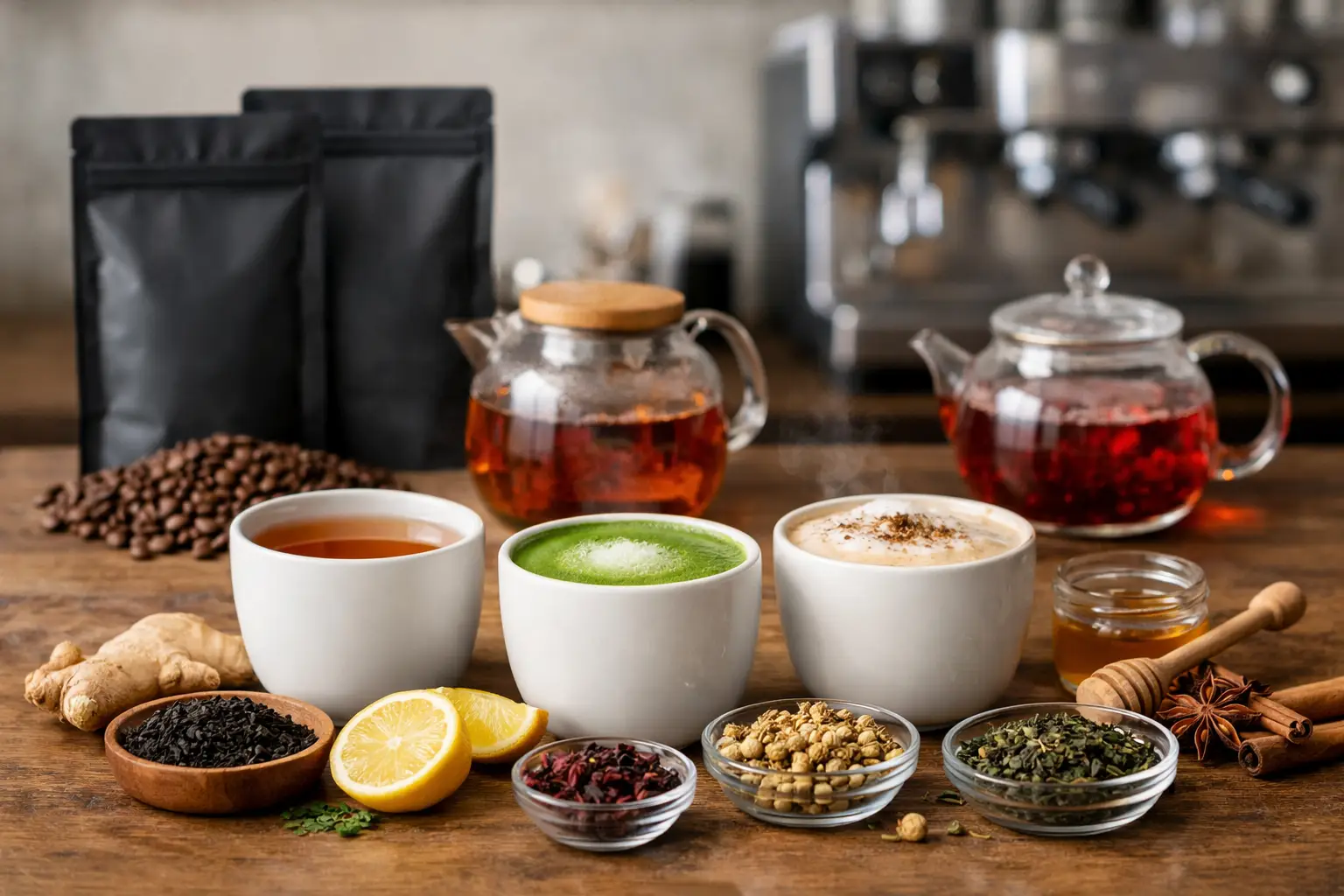
A guest scans your menu, skips past espresso, and asks a simple question: what tea do you have? That moment says a lot about your beverage program. The best teas for cafe menus are not just there to fill space beside coffee. They help you serve non-coffee drinkers well, increase afternoon sales, and give regulars one more reason to come back.
Tea can also be one of the most efficient menu categories in a cafe. It has a long shelf life, works across hot and iced formats, and can be positioned at several price points. But not every tea belongs on every menu. A strong tea selection needs to fit your customer base, your service speed, and your kitchen or bar workflow.
What makes the best teas for cafe menus
A good cafe tea lineup should do three things at once. It should be easy for staff to prepare consistently, broad enough to satisfy different preferences, and distinct enough to feel curated rather than generic.
That usually means avoiding extremes. A menu with only basic breakfast tea and chamomile feels dated. On the other hand, a menu packed with rare single-origin teas can create slow service, higher waste, and too many choices for guests who just want something reliable. The sweet spot is a compact range with clear roles.
In most cafes, the best teas for cafe menus include a black tea, a green tea, at least one herbal option, and one or two specialty items that create a premium edge. If you also serve iced drinks, some teas should pull double duty in cold applications.
10 tea types worth considering
1. English breakfast or a strong breakfast blend
This is the workhorse. It suits guests who want a familiar, full-bodied cup and often works well with milk and sugar. For cafes with a broad customer mix, breakfast tea is usually the safest foundation.
Choose a blend that brews quickly and stays balanced without turning harsh. If your service model is fast paced, consistency matters more than complexity.
2. Earl Grey
Earl Grey earns its place because it feels classic but still distinctive. The bergamot aroma gives you an easy upsell from standard black tea without requiring extra labor.
It also works well as a gateway tea for coffee drinkers who want something aromatic and structured. If your customer base leans toward familiar flavors with a premium feel, this is a smart pick.
3. Jasmine green tea
A plain green tea can sometimes be a hard sell unless your guests already know tea well. Jasmine green tea is often easier because it offers a recognizable floral note that feels lighter and more expressive.
It works especially well in cafes that already serve light, fresh food or have a daytime crowd looking for low-caffeine alternatives. Just make sure staff know brewing temperature matters. Oversteeped green tea can ruin the experience fast.
4. Sencha or a clean everyday green tea
If you want a more straightforward green tea alongside jasmine, sencha-style profiles are a good option. They appeal to health-conscious customers and pair well with lighter pastries, rice dishes, and simple desserts.
The trade-off is that green tea can be less forgiving than black tea in a busy bar setup. If your team does not have time to control water temperature and steeping carefully, a forgiving blended green tea may perform better than a delicate premium one.
5. Peppermint
Peppermint is one of the easiest herbal teas to justify on any cafe menu. It is caffeine-free, naturally bold, and widely understood by customers. It also delivers strong flavor without milk, syrups, or complicated explanation.
From an operational standpoint, it is low risk. Guests order it in the evening, after meals, or when they want something light. Few teas work across as many situations.
6. Chamomile
Chamomile is softer and more calming than peppermint, which gives your menu a different kind of herbal option. It attracts customers looking for caffeine-free comfort and often performs well in cafes with dessert, brunch, or relaxed evening trade.
If you only have room for one herbal tea, peppermint usually wins on versatility. But if you can stock two, chamomile rounds out the range nicely.
7. Masala chai or chai latte blend
For many cafes, chai is less a tea and more a signature sales category. It appeals to guests who want spice, sweetness, and a cafe-style drink experience without espresso. It also plays well with dairy and plant-based milk.
Here, format matters. A traditional loose tea chai can taste excellent but may slow service. A reliable chai latte blend often makes more commercial sense for cafes that need speed and consistency. It depends on your concept. If you position your menu around handcrafted drinks, loose chai may support the brand. If volume is the priority, a quality blend is usually the better call.
8. Matcha
Strictly speaking, matcha sits outside the everyday steeped-tea category, but it deserves attention on modern cafe menus. It offers premium pricing, visual appeal, and strong crossover with wellness-focused customers.
The catch is execution. Poor matcha tastes flat, bitter, or chalky. Good matcha needs proper whisking, the right recipe, and staff training. If you are not prepared to protect quality, it is better to skip it than add it halfway.
9. Hojicha
Hojicha is still underused in many cafes, which is exactly why it can help your menu stand out. It has a roasted, nutty profile with lower perceived bitterness than many green teas, making it approachable for guests who do not love grassy tea notes.
It also works beautifully in lattes. For cafes looking for something premium but accessible, hojicha can be a strong alternative to matcha.
10. Fruit or botanical blends for iced tea
If your menu includes cold drinks, do not treat iced tea as an afterthought. A hibiscus blend, peach black tea, citrus green tea, or mixed berry fruit infusion can become a high-margin menu item, especially in warm weather.
The best options are those that taste clear and refreshing even when diluted by ice. Some teas perform well hot but lose definition cold. Test them both ways before committing.
How many teas should a cafe menu have?
For most cafes, six to eight teas is enough. That gives customers choice without creating confusion or inventory drag. A simple structure works well: two black teas, one or two green teas, two herbal teas, and one or two specialty options such as chai, matcha, or hojicha.
If your menu is coffee-led, tea should complement the offer, not compete with it. You do not need a tea house lineup. You need a tea list that feels intentional and profitable.
Loose leaf, sachets, or tea bags?
This decision comes down to service style more than ideology. Loose leaf can elevate perceived quality, especially in dine-in settings where teapots and presentation matter. It also gives you more control over leaf grade and flavor profile.
But loose leaf requires training, proper filters or pots, and more disciplined prep. Premium sachets can be the better business choice for high-volume cafes because they reduce errors and speed up service while still delivering strong cup quality. Basic tea bags are the cheapest route, but they can make the whole beverage program feel lower value if the rest of your menu aims higher.
A lot of operators do well with a mixed approach. Use quality sachets for core menu teas and reserve loose leaf or specialty powders for premium items where the customer can see and taste the difference.
Pricing and margin: where cafe owners get it right
Tea often has excellent margin, but only if the menu communicates value. Customers will pay more for tea when the format, ingredients, and presentation feel considered. A plain mug and a generic tea bag create a low ceiling. A branded pot, quality leaf, thoughtful glassware, or a well-built iced tea recipe changes the equation.
This is also where menu language matters. Keep it clear. Guests should understand whether they are ordering classic black tea, whole-leaf jasmine, or a roasted hojicha latte. Better descriptions reduce hesitation and improve upsell opportunities.
Building a tea menu that matches your cafe
A brunch cafe, a specialty coffee bar, and a dessert shop should not all carry the same tea list. Your best-selling teas should reflect your traffic patterns and what customers already trust you for.
If your business serves a lot of milk-based drinks, chai, Earl Grey, and hojicha may outperform delicate green teas. If you cater to office workers and daytime dine-in guests, breakfast tea, jasmine, peppermint, and iced fruit teas may move faster. In Malaysia and Singapore, where iced beverages are a natural fit year-round, tea choices that work both hot and cold can give you better menu flexibility.
This is where a supplier relationship matters. Auresso’s approach to curated beverage sourcing makes sense for operators who want tea, coffee, powders, and cafe ingredients aligned under one dependable supply setup instead of piecing them together from multiple vendors.
A strong tea program does not need to be large. It needs to be clear, consistent, and built for the way your cafe actually runs. Pick teas your staff can prepare well, your customers will recognize or quickly understand, and your margins can support. When tea feels deliberate rather than obligatory, people notice – and they order it.