

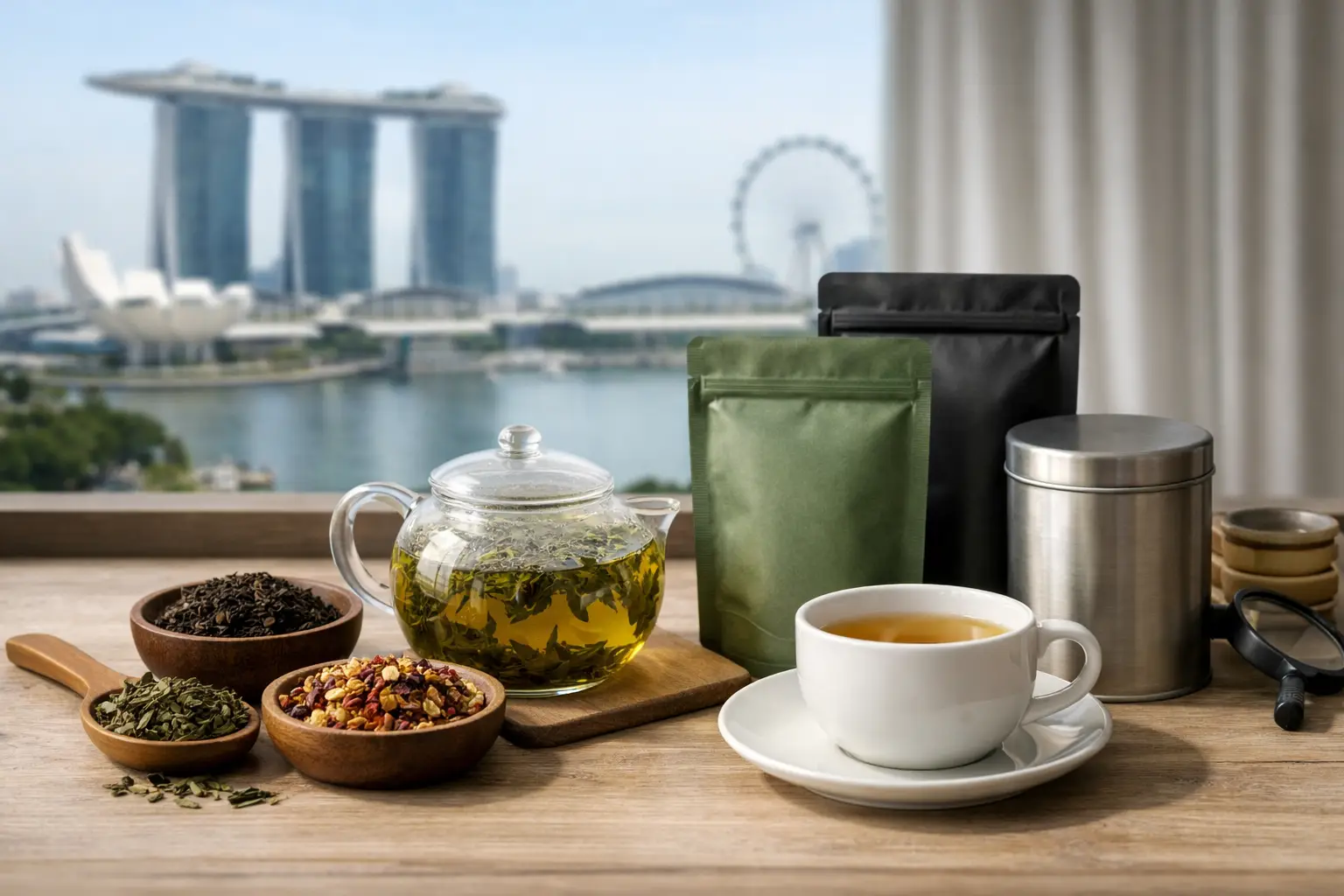
A tea menu can look simple on paper, yet the supplier behind it affects far more than the flavor in the cup. The right tea supplier Singapore businesses choose should help protect consistency, margins, and day-to-day availability, whether you are serving a busy café crowd or stocking a home pantry with better everyday brews.
Tea is also not one category. A delicate loose-leaf oolong, a bold breakfast teabag, ceremonial-style matcha, and a sweet chai latte blend have different preparation needs, storage requirements, and customer expectations. Buying well starts with knowing what you need the tea to do.
Start With the Role Tea Plays in Your Menu
Before comparing suppliers, define the purpose of each tea product. A café that serves tea as a supporting menu item may need dependable black, green, and herbal options that are easy for every staff member to prepare. A specialty café, restaurant, or bakery may want distinctive loose-leaf teas that create a stronger premium story and give customers a reason to return.
Format matters as much as flavor. Teabags offer portion control, fast service, and a consistent result during peak hours. Loose-leaf tea provides more room for aroma, presentation, and recipe development, but it requires proper brewing tools, staff training, and a clear steeping standard. Powdered tea products such as matcha and hojicha can support iced drinks, lattes, desserts, and seasonal specials, making them useful for operators looking for more than a hot tea offering.
For home buyers, the decision is usually more personal. You may prioritize origin, ingredients, caffeine level, or the ritual of brewing loose leaves. For businesses, the question is broader: can this tea deliver the experience customers expect at a price that works on the menu?
What to Look for in a Tea Supplier in Singapore
A good product catalog is only the starting point. The best supplier relationship is built on product clarity and operational dependability. When reviewing a tea supplier in Singapore, ask how clearly they communicate what each product is, how it should be brewed, and who it is best suited for.
Quality should be visible, not vague
Look beyond broad claims such as “premium” or “natural.” Product details should make it easier to understand the tea type, ingredient list, flavor profile, format, and recommended use. For flavored blends and herbal infusions, transparency is especially useful. You need to know whether sweetness comes from added sugar, fruit, spices, or flavoring, particularly if you are building a menu around dietary preferences.
For loose-leaf tea, leaf appearance and aroma can indicate care in sourcing and storage, but the final test is in the cup. Brew samples at the way you plan to serve them. A tea that tastes excellent at home with careful timing may not perform as well in a high-volume café setting. Test it with your actual water, glassware, milk, ice, and service workflow.
Consistency matters more than a one-time great sample
An exceptional sample is not enough if the next batch tastes noticeably different or arrives late. Cafés need the confidence to print a menu, train staff, and recommend a drink without worrying that the core ingredient will disappear next month.
Ask about stock availability, reorder patterns, and whether the supplier carries multiple products within the same category. A supplier with a considered range gives you options if a particular blend is temporarily unavailable. This does not mean every tea must taste interchangeable. It means you should have a practical backup plan before a popular item runs out.
Packaging and shelf life affect real value
The lowest price per bag is not always the lowest cost in use. Tea that loses freshness quickly, is packed in awkward quantities, or creates too much waste can reduce its value. Consider how long a pack stays at its best once opened, how much storage space it takes, and whether the portions match your weekly sales volume.
For a small café, a large foodservice pack may offer a lower unit cost but create freshness risk. For a high-volume operation, small retail packs can mean unnecessary handling and higher costs. Choose pack sizes that fit your sales pace, not just the supplier’s price list.
Build a Tea Range That Customers Can Understand
A strong tea menu does not need twenty options. It needs enough choice to cover familiar preferences while giving customers a few reasons to explore. For many cafés, a focused selection of black tea, green tea, caffeine-free herbal tea, and one or two specialty options is more useful than an oversized list.
Think about how customers order. A familiar English breakfast-style tea can anchor the menu. A floral green tea or jasmine option can appeal to customers who prefer lighter profiles. Herbal blends offer a caffeine-free choice, while matcha, hojicha, or chai can become high-value beverage platforms when paired with milk, alternative milk, ice, or seasonal flavors.
This is where supplier breadth becomes useful. Rather than sourcing tea, powders, and café drink ingredients from several disconnected vendors, many operators prefer a beverage partner that can support the whole menu. Auresso, for example, curates tea alongside matcha, hojicha, chai, drinking chocolate, coffee, and commercial beverage equipment, which can simplify purchasing for cafés building a more complete drinks program.
Still, range should not distract from fit. A supplier with hundreds of products is not automatically better if it is difficult to identify which products meet your use case. Clear categories, practical product descriptions, visible pricing, and responsive advice save time when you are ordering for a business.
Calculate Cost Per Served Cup, Not Just Cost Per Pack
Tea is often a high-margin menu category, but the numbers only work when portions are controlled. Calculate the ingredient cost for one served cup or glass using the exact amount of tea, powder, milk, syrup, garnish, and packaging required. Then compare that cost to your target selling price and expected waste.
For teabags, the calculation is straightforward. Loose-leaf tea requires more discipline. If one barista uses an overfilled scoop while another uses a level scoop, your flavor and margins will both shift. Use a gram weight, a standard infuser or filter, and a written brew recipe.
Iced tea and tea lattes deserve their own costing. Ice dilution, milk choice, cup size, and batch preparation can change the result dramatically. A tea that is ideal for a hot cup may taste weak over ice. In some cases, using a stronger concentrate or a tea designed for latte applications is the better commercial choice, even if its pack price is higher.
Ask About Service Before You Need It
Supply support is easiest to judge before there is a problem. Pay attention to order cutoffs, delivery expectations, minimum order requirements, and how quickly questions are answered. These details become critical when your café is approaching a weekend rush or a seasonal promotion.
For wholesale buyers, it helps to ask whether the supplier can advise on product selection, brewing ratios, and complementary ingredients. A supplier does not need to design your entire menu, but useful guidance can shorten testing time and help avoid poor-fit purchases. For retail buyers, clear recommendations and fast shipment can make the difference between trying a new tea with confidence and abandoning the search after a confusing order process.
Customer reviews can add another layer of reassurance, especially when they mention product freshness, order accuracy, or responsive support. Reviews are not a substitute for product testing, but they can reveal whether a supplier is dependable after payment has been made.
Test Before You Commit to a Full Menu Change
If you are switching suppliers or introducing tea for the first time, start with a measured trial. Order a small selection, brew each product several ways, and get feedback from the people who will actually prepare and serve it. For cafés, include your baristas in the test. They will quickly identify whether a tea is forgiving during service or requires too much precision.
Track more than taste. Note brew time, portion size, customer reaction, speed of preparation, and whether the product works with your existing cups, strainers, kettles, and storage setup. A tea program succeeds when the product is enjoyable for customers and manageable for the team behind the counter.
The right supplier should make better tea easier to buy, prepare, and reorder. Choose with care, then give your team a clear recipe and your customers a reason to make tea part of their regular order.