

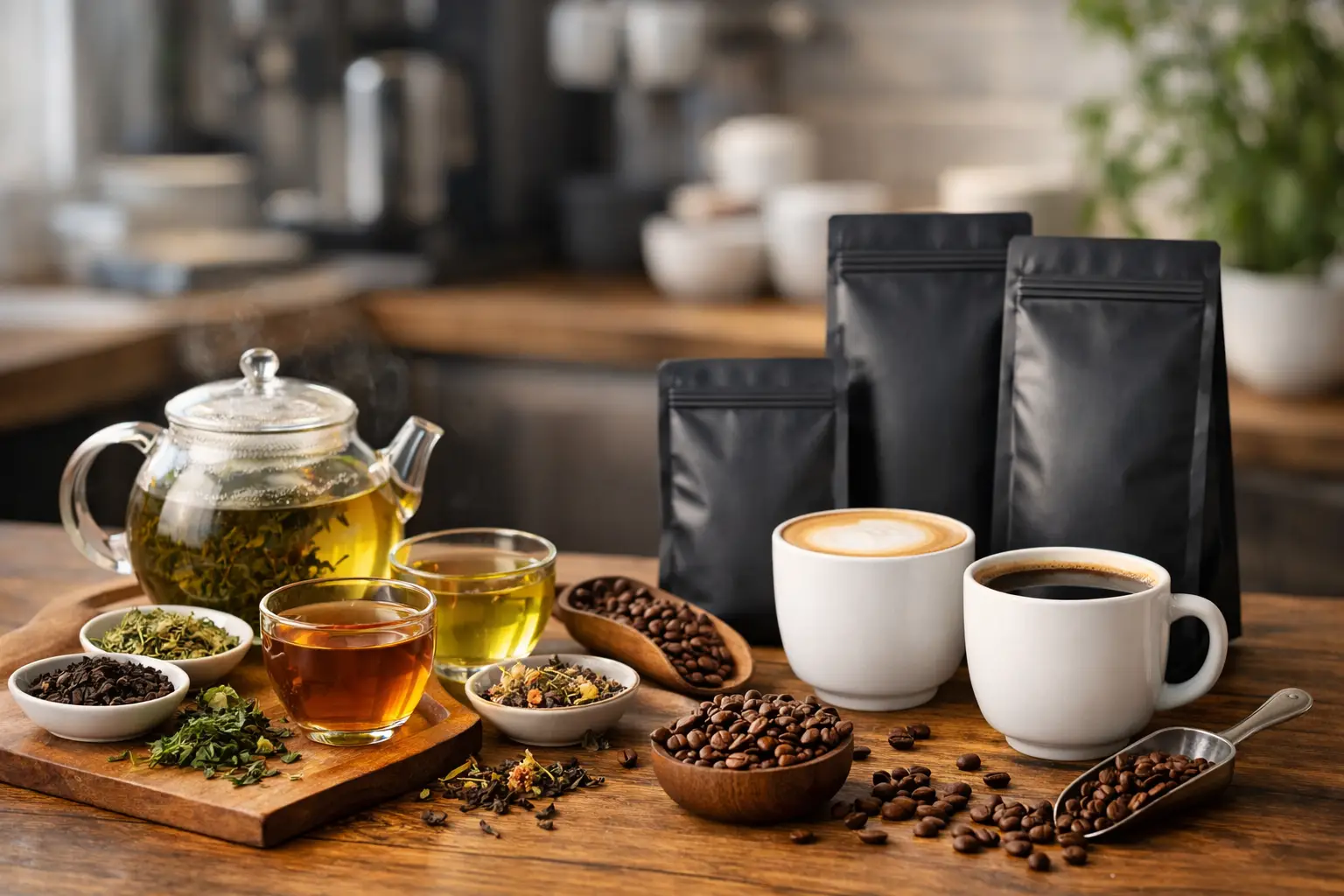
A cafe tea supplier in Malaysia should do more than deliver boxes of tea. For a café, restaurant, hotel, or growing beverage counter, tea affects menu variety, customer return visits, food cost, and the speed of every service. The right supply partner helps you serve a cup that tastes intentional, whether it is a simple English breakfast tea, a fragrant jasmine green tea, or an iced fruit tea built for a hot afternoon.
Coffee may lead your sales mix, but tea is often where a beverage menu earns broader appeal. It gives non-coffee drinkers a reason to stay, creates easy pairings with food, and opens opportunities for premium hot and iced drinks without adding unnecessary complexity behind the bar.
Start With the Tea Menu You Want to Build
Before comparing suppliers, decide what role tea will play in your business. A compact café may only need a dependable black tea, green tea, chamomile, and one distinctive signature option. A brunch venue, bakery, or full-service restaurant may need a wider selection that works across breakfast, afternoon service, desserts, and takeout.
The best assortment is not always the largest one. A menu with too many slow-moving teas can tie up cash, create stock aging, and make staff training harder. Start with customer demand and your service style. If your customers usually ask for familiar flavors, well-made classic teas in reliable formats may outperform a long list of rare loose-leaf selections.
For a specialty-focused café, loose-leaf tea can support a more considered experience. It gives you control over dose, steep time, and presentation, and it can make a premium price feel justified. The trade-off is operational: staff need training, brewing tools need cleaning, and rush-hour consistency takes discipline.
Tea bags are often the practical choice for fast service, takeout, meeting rooms, and venues with limited counter space. Good tea bags do not need to feel like a compromise. Look for individually wrapped options where freshness and convenient handling matter, then reserve loose leaf for higher-value menu moments.
What Consistency Actually Means for a Cafe Tea Supplier Malaysia
Consistency is not simply receiving the same brand name on every order. It means the tea brews to a familiar color, aroma, strength, and flavor profile from one batch to the next. It also means pack sizes, product availability, and ordering processes are predictable enough for your team to plan around.
Ask how the supplier manages product sourcing and inventory. Imported tea can bring exceptional quality and variety, but it may involve longer replenishment cycles. Locally held inventory can make ordering easier and reduce the risk of running out during a busy season. Neither approach is automatically better. What matters is whether the supplier communicates lead times clearly and offers suitable alternatives when an item is temporarily unavailable.
Tea freshness deserves attention as well. Tea is more stable than roasted coffee, but it is not immune to time, heat, humidity, and poor storage. A supplier should be able to advise on shelf life, storage conditions, and whether a product is best suited to regular turnover or occasional seasonal use.
For café operators, consistency also includes brewing guidance. A strong supplier can tell you the recommended tea dose, water temperature, steep time, and yield. Those details help your team avoid bitter green tea, weak black tea, or inconsistent iced tea that changes from shift to shift.
Choose Formats That Match Your Service Flow
A tea program works when it fits the way drinks move through your bar. Consider how each product will be prepared, served, stored, and replenished before you commit to a format.
Loose-leaf tea suits venues that can give each cup attention. It works particularly well for dine-in service, tea pots, premium pairings, and cafés where staff already have strong beverage skills. Pyramid bags can provide a more polished experience while keeping preparation simple. Standard tea bags offer speed and portion control, especially for high-volume counters.
For iced tea, do not assume that every hot tea translates well over ice. Some teas become thin, bitter, or overly tannic when chilled. A supplier should be able to recommend teas and blends that remain balanced after dilution, as well as practical recipes for batch brewing. Fruit infusions, floral teas, citrus-forward blends, and selected black teas can all work well, but the recipe needs to be tested in your actual cup size and ice level.
If your menu includes milk tea, chai, matcha, or hojicha, source those products with the same care. These beverages are not interchangeable with traditional tea service. A chai latte blend needs to dissolve consistently and hold its flavor in milk. Matcha needs a suitable grade and flavor profile for its intended use, whether it is served straight, iced, or blended into a latte.
Compare Price by Cup, Not Just by Pack
A low pack price can be misleading. The number that matters is your usable cost per serving, including the tea portion, garnish, milk or syrup where relevant, cup or teapot, labor, and expected waste.
A premium loose-leaf tea may cost more upfront but produce multiple well-balanced servings from a small quantity. A lower-cost tea bag may look efficient yet require two bags to deliver enough flavor in a large cup. Calculate both options against your menu price and target beverage margin.
It is also worth considering the commercial value of a better cup. Customers may pay more for tea when the menu describes it clearly, the flavor is distinct, and the presentation matches the price. On the other hand, a premium tea range is not a good investment if your customers prioritize quick, familiar, affordable drinks. The right level depends on your concept, location, and average transaction value.
When reviewing wholesale pricing, ask about minimum order quantities, case sizes, volume tiers, and delivery arrangements. A supplier with attractive unit pricing may still be a poor fit if the minimum purchase forces you to overstock. Flexible ordering is often more valuable for independent cafés testing a new tea category or managing limited storage.
Look for Support Beyond the Product List
A dependable tea supplier should make purchasing easier, not create another operational problem. Clear product information, available stock visibility, straightforward ordering, and responsive answers all matter when your team is planning a menu or replacing a fast-moving item.
Before making a larger commitment, ask for samples and run a proper tasting. Brew each tea according to the supplier’s recommendation, then test it the way customers will receive it. Taste it hot, iced where relevant, with milk if it will be served that way, and after several minutes of holding time. A tea that tastes excellent in a quiet tasting may behave differently during a busy lunch service.
Four practical questions can reveal whether a supplier is ready to support your operation:
- Which teas are consistently stocked and which are seasonal or limited?
- What brewing recipes do you recommend for hot, iced, and milk-based applications?
- What are the case sizes, minimum order requirements, and expected delivery times?
- What comparable options are available if a key product is temporarily unavailable?
Auresso is positioned to simplify this kind of sourcing by bringing organic teas, loose-leaf teas, tea bags, matcha, hojicha, chai blends, coffee, and café equipment into one specialty beverage supply relationship. For operators, that can reduce the time spent coordinating separate vendors while keeping the beverage menu more coherent.
Build a Tea Program Your Team Can Repeat
The most profitable tea menu is usually not the most elaborate. It is the one your staff can prepare correctly every time, your customers understand quickly, and your supplier can keep available at a fair cost.
Start with a focused core range, set clear recipes, and track what actually sells for several weeks. Then add seasonal flavors, premium loose-leaf options, or iced tea specials based on real demand rather than guesswork. A thoughtful cafe tea supplier in Malaysia becomes especially valuable at that point: not just as a source of products, but as a practical partner in keeping every cup worth ordering again.