

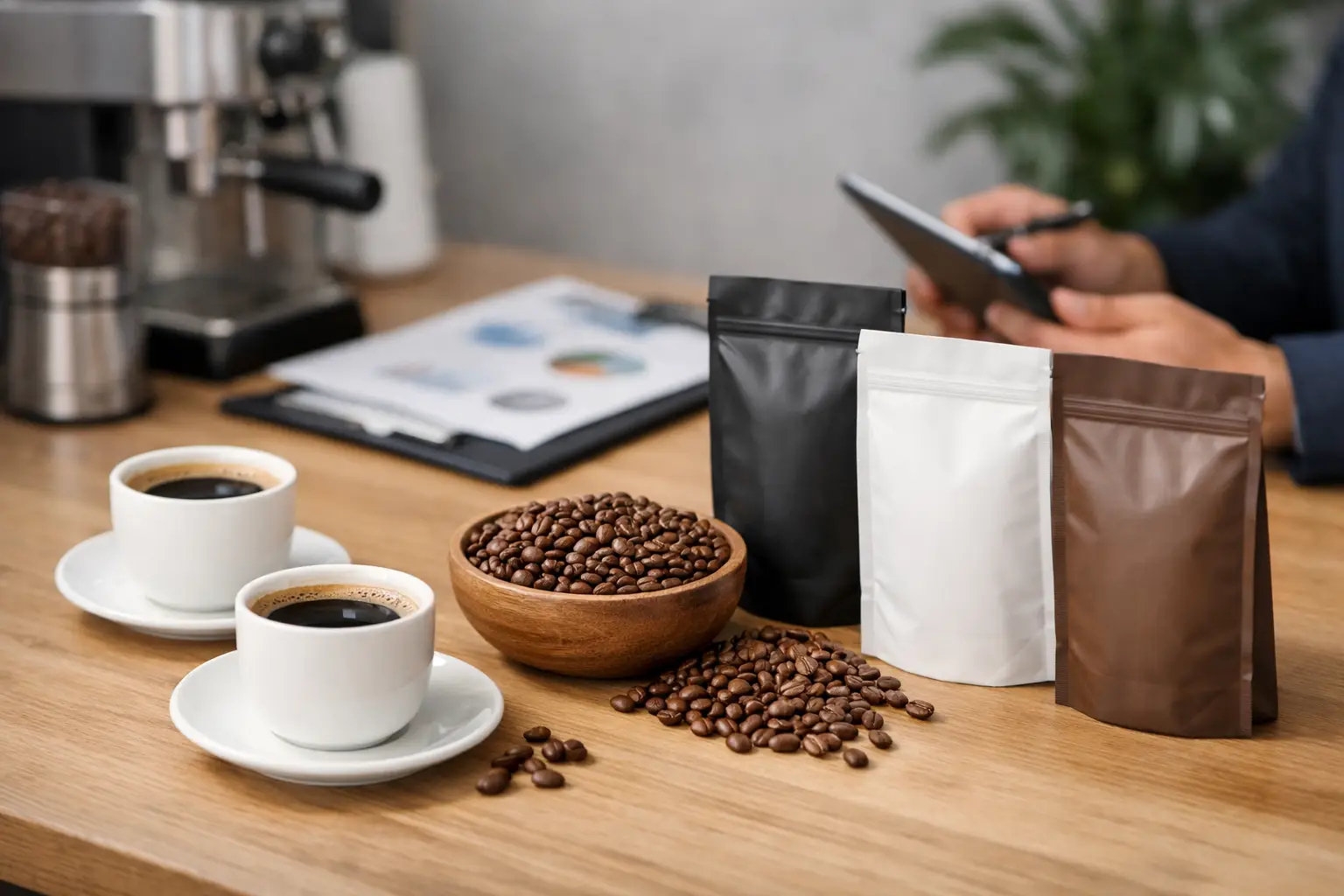
If your espresso suddenly starts tasting flatter, your filter coffee gets harder to dial in, or your cost per cup keeps creeping up, the problem is not always your recipe. Often, it starts earlier – with your coffee bean supplier. For home brewers, that means freshness and fit. For cafés and beverage businesses, it means whether your menu stays consistent, your team works efficiently, and your margins hold.
What a coffee bean supplier really affects
A good supplier does more than deliver bags of coffee. They influence how easy your coffee is to work with, how often you need to recalibrate, and how confidently you can promise the same cup tomorrow that you served today.
That matters because coffee is not a static product. Harvest cycles change. Roasters adjust profiles. Shipping conditions vary. Even excellent beans can become a poor fit if supply is inconsistent or the coffee arrives outside its ideal window. The right supplier helps reduce those variables instead of adding to them.
For business buyers, the stakes are higher. A supplier gap can slow service, force rushed menu changes, or leave staff trying to make unfamiliar beans perform during peak hours. For home users, the impact is smaller in scale but still real. Buying the wrong coffee in the wrong quantity often means stale beans, disappointing brews, and money spent on coffee that never had a fair chance.
How to evaluate a coffee bean supplier
The first question is not whether the coffee tastes good. It is whether the supplier can match your use case. A bright, fruit-forward single origin may impress on a cupping table but underperform in a milk-heavy café menu. A dark, traditional blend may work beautifully for a customer base that wants body and low acidity, while disappointing someone chasing clarity in pour-over.
That is why range matters. A supplier with a narrow catalog can still be excellent if their coffees align with your needs. But many buyers benefit from curated breadth – espresso blends, filter options, decaf, seasonal lots, and different roast styles that serve different drink formats. If you also buy tea, chocolate powder, chai, or equipment, a broader beverage supplier can simplify purchasing and reduce the friction of dealing with multiple vendors.
Freshness is the next filter. Look for clear roast dates, sensible stock turnover, and coffees that arrive in their useful sweet spot rather than weeks too early or too late. Freshness is not just about getting the newest possible roast. Some coffees need a short rest after roasting to stabilize and brew better. A dependable supplier understands that and ships accordingly.
Consistency deserves just as much attention as quality. Many buyers focus on a great first bag, then run into trouble on bag three or month three. Ask whether the supplier maintains the same blend profile over time, how they communicate changes, and what happens when a coffee is out of stock. A business-friendly supplier plans substitutions carefully instead of leaving you to improvise.
The questions worth asking before you buy
A strong coffee bean supplier should be able to answer practical questions without turning the conversation into a lecture. You want clarity, not sales language.
Ask how the coffee is intended to be used. Is it built for black coffee, milk drinks, batch brew, or all-around versatility? Ask about roast style, processing, and expected flavor profile in plain terms. If you run a café, ask what pack sizes are available, how often stock is replenished, and whether lead times change during busy periods.
Support matters too. Some buyers know exactly what they want. Others need help choosing beans that fit their grinder, machine, water, and customer profile. A supplier that gives grounded advice can save a lot of trial and error. This is especially useful if you are launching a new menu, shifting from commercial to specialty coffee, or buying for both retail shelves and in-house service.
It also helps to ask how they handle issues. Coffee can be excellent overall and still have the occasional defect, transit problem, or mismatch. What matters is whether the supplier responds quickly and reasonably. Reliability is not the absence of problems. It is the quality of the response when something goes wrong.
Price matters, but not in the obvious way
It is easy to compare suppliers by bag price alone. It is also one of the fastest ways to make an expensive decision.
Lower-priced beans can make sense if they suit your menu, perform consistently, and support your target cup cost. But cheap coffee that needs constant dialing in, produces uneven extraction, or falls apart in milk can cost more in waste, labor, and customer dissatisfaction. On the other hand, the most expensive coffee on the list is not automatically the smartest buy. If your customers prefer a classic, chocolate-forward profile, paying extra for a delicate competition-style roast may not improve sales.
The better approach is to calculate value. Think in terms of beverage performance, dose efficiency, customer acceptance, and reorder confidence. A dependable mid-priced coffee that works across espresso, latte, and long black service can be more profitable than a premium option that only shines in a narrow use case.
For home buyers, value means buying coffee you will actually finish while it still tastes good. A slightly better bag at the right size is often the wiser purchase than stocking up on volume that goes stale before you get to it.
Why range and convenience can be a real advantage
Many buyers start with beans, then realize they also need matcha, chai, chocolate powder, syrups, tea, grinders, or brewing equipment. Ordering each from a separate source may seem manageable at first, but it adds time, shipping complexity, and more room for stock mismatches.
This is where a one-stop supplier can make operational sense. If the curation is strong, you get the convenience of consolidated ordering without giving up product quality. That is especially helpful for small cafés, beverage kiosks, and growing foodservice businesses that need dependable supply but do not have time to manage five different purchasing relationships.
For buyers in Malaysia and Singapore, that convenience can go further when a supplier gives access to respected imported roasters and specialty beverage products without the usual burden of high international courier costs. That kind of sourcing model is not just convenient – it can improve product access and cost control at the same time.
Signs you have found the right coffee bean supplier
The best supplier relationship usually feels calm. Orders are easy to place. Stock is clearly presented. Product information is useful. Deliveries are prompt. If you need advice, someone answers with specifics.
You also notice it in your workflow. Your espresso dial-in becomes more predictable. Staff training gets easier because the coffee behaves consistently. Customers start recognizing the house profile and coming back for it. For home brewers, the right supplier makes it easier to buy with confidence instead of gambling on every bag.
There is also a trust element that should not be overlooked. Visible reviews, honest product descriptions, and a clear approach to quality assurance all help you judge whether a supplier stands behind what they sell. That matters more than polished branding. Coffee buyers, especially repeat buyers, tend to stay where service is responsive and expectations are met.
When switching suppliers makes sense
Not every problem means you need to leave your current supplier. Sometimes a different roast, a new blend, or a better ordering rhythm solves the issue. But if stockouts are frequent, communication is vague, or coffee quality swings too much from batch to batch, it may be time to reassess.
Switching can also make sense if your business has changed. A café that once needed a single espresso blend may now need retail bags, decaf, alternative beverage ingredients, and equipment support. A home enthusiast may have started with basic blends and now wants access to more curated roasters and brew-specific options. Your supplier should still fit where you are now, not just where you started.
For buyers who want specialty credibility, practical pricing, and broad beverage coverage in one place, a supplier like Auresso reflects what the market increasingly values: quality-assured products, responsive support, and a catalog built for both daily brewing and commercial buying.
The right choice is rarely the supplier with the biggest claims. It is the one that makes your coffee taste better, your ordering easier, and your next purchase easier to say yes to.