

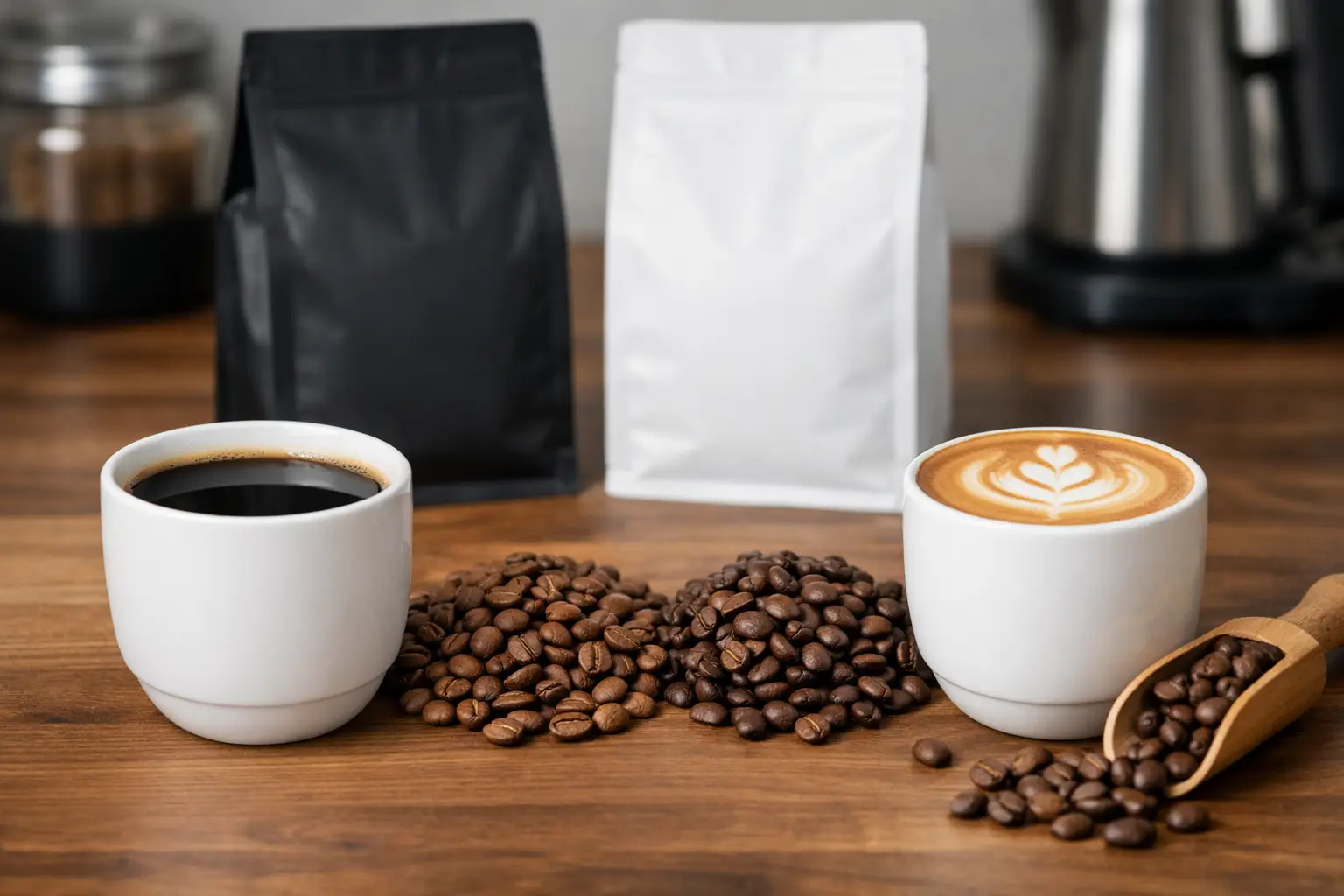
You can taste the difference within one cup. Brew a bright Ethiopian single origin next to a chocolatey espresso blend, and the contrast is immediate – one is distinct and expressive, the other is built for balance. That is why the single origin vs blend coffee question matters so much for home brewers, baristas, and café buyers alike. It is not about which one is better in absolute terms. It is about what you need from the coffee in front of you.
Single origin vs blend coffee: what is the difference?
Single origin coffee comes from one specific producing region, farm, estate, cooperative, or country, depending on how the roaster defines it. The key idea is traceability. You are tasting coffee tied to one place, one harvest, and often one processing style.
Blend coffee combines beans from two or more origins. Roasters create blends to achieve a particular flavor profile, body, acidity level, or performance in brewing. A blend might pair a Brazil for sweetness and body with a washed Colombia for structure and a touch of East African coffee for lift.
That difference shapes everything else – flavor, consistency, price, and how forgiving the coffee is in service.
Why single origin coffee stands out
Single origin coffees are often chosen for clarity. They let drinkers experience what makes a region or lot distinctive, whether that means citrus acidity, floral aromatics, berry notes, or a syrupy sweetness. For coffee enthusiasts, this is part of the appeal. You are not just drinking coffee. You are tasting place, season, and production choices.
This is also why single origins show up so often in pour-over bars and limited releases. Manual brew methods tend to reveal more of the coffee’s structure and finer details. If a coffee has a jasmine aroma or a peach-like finish, a clean brew can make that easier to notice.
But there is a trade-off. The same distinctiveness that makes single origin coffee exciting can also make it less predictable. Crop seasons change. Processing lots vary. A coffee that tastes amazing this month may be unavailable next quarter. For cafés and foodservice operators, that matters. Customers may love a cup, then ask for it again when the offering has already rotated out.
Why blends remain essential
Blends are designed, not discovered. That is their strength. A good blend is built with purpose, whether the goal is a reliable espresso, a smoother black coffee, or a milk-friendly profile that still tastes like coffee under steamed milk.
For many businesses, consistency is not a bonus. It is the product. If a café serves the same flat white every day, the espresso needs to behave predictably in the grinder and taste familiar in the cup. Blends help make that possible because roasters can adjust components to maintain a target profile even when harvests shift.
That does not mean blends are lower quality. In specialty coffee, some of the most carefully developed products are blends. The work simply happens in a different way. Instead of highlighting one origin’s identity, the roaster balances multiple coffees into something cohesive.
For home brewers, blends are often the easier starting point. They tend to be more forgiving, especially in espresso machines where dial-in can be sensitive. If you want a dependable morning cup with sweetness, body, and low fuss, a blend usually makes sense.
Flavor: complexity versus balance
One of the biggest misunderstandings in single origin vs blend coffee is the idea that single origin means more complex and blend means flatter. Sometimes that is true, but not always.
Single origin coffees can be vivid and layered, especially when the green coffee is exceptional and the roast is well judged. You may pick up flavors that feel very specific – red fruit, bergamot, cocoa nibs, tropical fruit, or cane sugar. That precision is what draws many people to origin-driven coffees.
Blends, on the other hand, often express complexity through balance rather than contrast. Instead of one note standing above the rest, the cup feels rounded. Sweetness, acidity, and body sit in proportion. For espresso and milk drinks, that kind of structure is often more useful than a highly expressive profile that can become sharp or uneven.
So the better question is not which one tastes better. It is whether you want flavor separation or flavor harmony.
Which is better for espresso?
Espresso tends to expose extremes. High-acid coffees can become intense. Light roasts can be harder to extract well. Small changes in dose, grind, or time can shift the cup quickly.
That is why blends have traditionally dominated espresso programs. They offer body, sweetness, crema performance, and a wider margin for error. In busy cafés, that operational stability matters as much as flavor.
Single origin espresso can be excellent, but it is usually more situational. It suits cafés that want rotating features, seasonal black espresso options, or a more adventurous menu. It also appeals to home users who enjoy dialing in and tasting nuance. The reward can be a highly memorable shot. The risk is greater inconsistency if the setup or recipe is not quite right.
If your main drinks are lattes, cappuccinos, and flat whites, blends often deliver the stronger all-around result. If you prefer straight espresso or Americanos and like tasting what makes a coffee unique, single origin may be more satisfying.
Single origin vs blend coffee for filter brewing
Filter brewing changes the equation. Because methods like V60, Chemex, and batch brew highlight clarity, single origin coffees often shine here. Their origin character is easier to detect, and the cup can feel more transparent.
Blends still have a place in filter coffee, especially if you want comfort over surprise. A well-roasted blend can produce a sweet, approachable cup that works for a broad range of drinkers. Offices, restaurants, and high-volume service environments often benefit from that broad appeal.
For home use, it depends on your routine. If brewing coffee is part hobby and part ritual, single origins can keep things interesting. If you want something reliable before work, a blend may fit better.
Price, availability, and buying decisions
Single origin coffees often carry more price variation because they are tied to specific lots, seasons, and supply conditions. Some are accessible daily drinkers. Others are limited, premium releases with higher costs due to rarity, processing, or producer reputation.
Blends can offer better value, especially when a roaster builds them for year-round use. They are also easier to source consistently at volume, which matters for cafés managing food cost and menu stability.
This is where practical buying matters more than coffee theory. A home brewer may happily pay more for a small bag of a standout origin. A café may need a blend that performs across hundreds of milk drinks a week without drifting in quality or blowing up margins. Both decisions are reasonable.
For buyers in Malaysia and Singapore, where imported specialty coffee can vary in freight and availability, working with a supplier that curates both dependable blends and strong single origin options can make purchasing a lot easier. That is especially true when you are balancing quality targets with stock reliability.
How to choose the right one for your needs
If you are buying for discovery, choose single origin. If you are buying for consistency, choose blend. That is the simplest version, but real-world decisions are usually a little more specific.
Choose single origin when you want to explore flavor, showcase brew quality, or offer limited seasonal coffees. It works well for black coffee drinkers, pour-over menus, and customers who ask where the coffee comes from.
Choose blend when you need a coffee that performs every day, especially in espresso-based service. It is usually the safer option for cafés, offices, and home users who care more about a dependable result than a changing flavor journey.
Many serious coffee drinkers eventually buy both. A blend covers the daily routine. A single origin keeps the experience interesting.
What roasters are really deciding
Behind every bag, the roaster is making a different promise. With a single origin, the promise is transparency and expression. With a blend, the promise is intention and repeatability.
Neither approach is automatically more honest, premium, or skillful. In fact, both can be done well or poorly. A weak single origin can taste thin and underwhelming if the coffee or roast is not strong enough. A careless blend can taste muddy if the components fight each other. What matters is cupping quality, roast development, and whether the coffee matches the use case.
For that reason, the best buying decision usually starts with how you plan to brew and serve it, not with a blanket idea of what is more “specialty.”
If you are choosing for your home setup or beverage business, treat coffee the way professionals do – as a product that needs to fit the cup, the customer, and the workflow. Some days that means a bright single origin that starts conversations. Some days it means a blend that simply gets every drink right.