

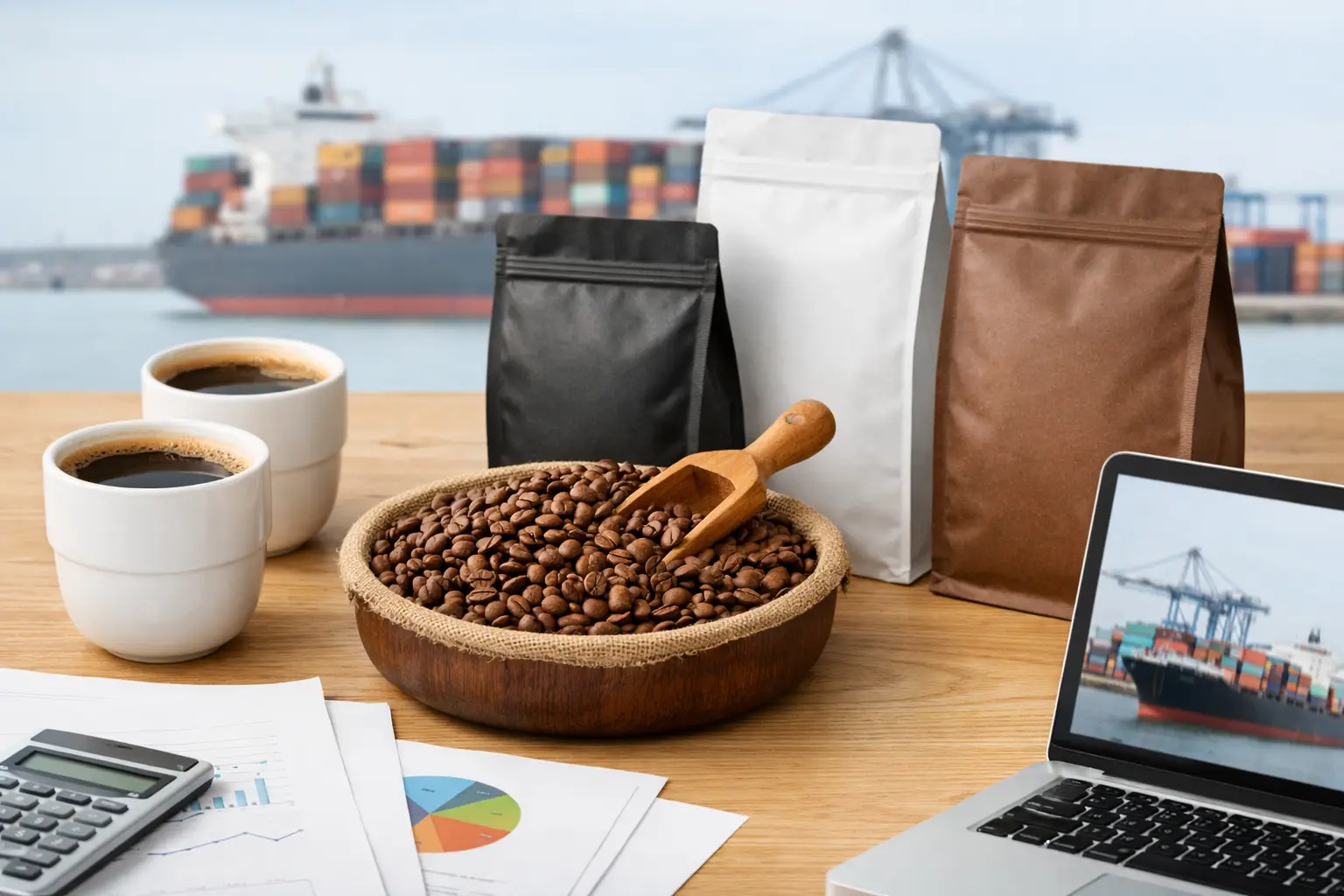
A single bad buying decision can wipe out the margin on an otherwise great coffee menu. Imported beans often look attractive on paper – better branding, distinctive profiles, stronger customer appeal – but once freight, minimums, storage, and inconsistency enter the picture, the real cost changes fast. If you are figuring out how to source imported coffee affordably, the goal is not simply to buy cheaper. It is to buy in a way that keeps quality reliable and costs predictable.
For home brewers, that might mean avoiding expensive one-off orders and choosing curated imports with better landed value. For cafés and beverage businesses, it usually means thinking beyond bag price and building a supply plan that supports both cup quality and operating margin. Affordable sourcing is less about finding the absolute lowest number and more about controlling the variables that make imported coffee expensive.
What affordable imported coffee sourcing really means
Imported coffee is rarely expensive for just one reason. The bean itself may be fairly priced, but the final landed cost can rise because of courier fees, small order quantities, customs handling, currency swings, or poor ordering cadence. That is why the cheapest listed product is not always the most affordable product to run in real life.
A more useful way to think about affordability is total usable value. Ask what you are paying per kilogram after shipping and fees, how much waste you are likely to have, how stable the product will be from batch to batch, and whether the coffee fits your brew method or menu. A lower-priced import that stales before you use it is not a win. Neither is a premium coffee that creates excitement but forces you into pricing your drinks above what your customers will accept.
For cafés, affordability also includes labor and menu fit. A coffee that performs well across espresso and milk-based drinks may be more valuable than a cheaper single-origin that only shines in black coffee service. For home users, a coffee that arrives fresh, suits your grinder and brew setup, and can be purchased in sensible pack sizes is usually the smarter buy.
How to source imported coffee affordably without cutting quality
The biggest mistake buyers make is treating sourcing like a product hunt instead of a supply decision. Price matters, but so do freshness windows, roast consistency, supplier responsiveness, and access to alternatives when stock changes. If quality is the reason you are buying imported coffee in the first place, cost savings that compromise cup performance are false savings.
Start by narrowing your actual need. Are you sourcing for espresso, filter, retail shelf sales, or a rotating guest offering? The answer changes what affordable looks like. A dependable imported blend for daily service has different economics than a limited lot for a monthly feature. When you define the role of the coffee first, you avoid overspending on attributes your customers may not notice.
It also helps to separate prestige from utility. Some imported roasters carry strong reputations, and that can support sales, especially in specialty-forward cafés. But if the flavor profile overlaps closely with a more competitively landed option, the premium may not be justified. Brand equity matters, but only when your customers recognize it or when it clearly improves the drinking experience.
Buy from local stockists instead of importing directly
For most buyers, especially smaller cafés and serious home brewers, direct importing sounds more economical than it is. International courier charges, customs coordination, and order minimums can quickly erase any perceived savings. Buying through a local specialty supplier that already consolidates shipments often produces a better real cost per bag.
This is where curated distributors add practical value. They can provide access to imported roasters without forcing you to absorb the full logistics burden yourself. In markets such as Malaysia and Singapore, where shipping and lead times can shape purchasing decisions, working with a supplier that already manages these layers can make imported coffee far more accessible.
The other benefit is flexibility. Instead of committing to large direct volumes, you can test imported coffees in manageable quantities, compare sell-through, and reorder based on actual demand. That protects cash flow while keeping your beverage program interesting.
Consolidate orders and plan ahead
Urgent ordering is expensive ordering. If you wait until stock is low and then rush a replenishment, you are more likely to accept poor freight terms, limited choices, or substitute products that do not fit your menu. Imported coffee becomes more affordable when you buy on a schedule.
For businesses, this means setting reorder points based on weekly usage rather than intuition. Track how many kilograms move through each product line, how seasonality affects sales, and how much safety stock you truly need. For home users, it may mean buying enough to reduce per-bag delivery costs without ordering so much that freshness becomes an issue.
Consolidation matters beyond coffee, too. If you also need chai blends, drinking chocolate, tea, or brewing equipment, sourcing through one dependable partner can reduce fragmented shipping costs and simplify purchasing. The savings are not always obvious in the item price, but they show up in time, freight, and order efficiency.
Compare landed cost, not shelf price
A common sourcing mistake is comparing two coffees by listed price alone. Shelf price tells only part of the story. The more useful comparison is landed cost per serving.
Take the bag price, then factor in shipping, taxes or duties where relevant, expected brew dose, and waste. A coffee that costs more per bag may still be cheaper per cup if it extracts consistently, requires less dialing in, and produces less waste during service. For espresso bars, consistency has real financial value because every adjustment costs coffee and time.
Packaging size also affects value. Large bags can lower the per-kilogram cost, but only if you can use them while the coffee is still at its best. Smaller packs may seem more expensive, yet they can be the more affordable option if they improve freshness management and reduce stale stock.
Use a core-and-guest coffee strategy
One of the most effective ways to keep imported coffee affordable is to avoid making every coffee on your shelf a high-cost specialty item. A better model is to build around a strong core coffee and then layer in guest options selectively.
For cafés, that could mean using a dependable imported blend or well-priced signature roast as the house espresso, then featuring a smaller quantity of premium imported coffees for black coffee service or limited promotions. For retail or home buyers, it means keeping a reliable daily drinker on hand and treating more expensive imports as occasional upgrades rather than everyday volume purchases.
This approach gives you room to offer novelty without letting premium costs dominate your budget. It also gives customers choice at different price points, which usually leads to better overall sell-through.
Ask for guidance, not just a quote
The right supplier should help you buy better, not just buy more. If you are choosing between roast styles, origins, or imported roasters, a knowledgeable supplier can point you toward products that suit your audience and budget. That kind of guidance prevents expensive mismatches.
A café serving mostly milk-based drinks does not need the same coffee profile as a filter-focused specialty bar. A home brewer with a compact grinder may not get the best out of a light roast that shines only with precise equipment and technique. Affordability improves when the coffee is appropriate for the end use from the start.
This is one reason many buyers prefer a sourcing partner with a broader beverage range and direct product curation. If a supplier understands café operations as well as home brewing needs, the recommendations tend to be more practical and less theoretical.
Watch the hidden costs that hurt margins
The expensive part of imported coffee is often what happens after purchase. Inconsistent stock can force rushed substitutions. Poor communication can leave you short during peak periods. Overbuying can lead to stale inventory. Underbuying can trigger repeated delivery fees.
There is also menu risk. If you choose imported coffees that are too niche for your customer base, you may end up carrying inventory that moves slowly. A coffee can be excellent and still be commercially wrong for your business. The same applies to home users who buy highly specialized coffees that do not match how they actually brew day to day.
Another hidden cost is complexity. Managing too many coffee SKUs at once can strain storage, staff training, and quality control. A tighter range, chosen well, is often more profitable than a large, scattered selection.
When it makes sense to pay more
Affordable sourcing does not mean rejecting premium coffee. Sometimes the higher-priced option is worth it. If an imported roaster has strong recognition, better roast consistency, or a flavor profile that clearly elevates your menu, paying more may improve customer retention and justify stronger pricing.
The key question is whether the extra cost creates measurable value. Can you charge more for the drink? Does it improve repeat purchases? Does it strengthen your positioning? If the answer is yes, the coffee may be expensive but still commercially sensible.
For many buyers, the best answer sits in the middle. Use premium imports where they make a visible difference, and source the rest of your beverage program with discipline. That is usually how long-term affordability is built – not through one bargain purchase, but through a consistent buying system that balances quality, margin, and reliability.
Good imported coffee should feel exciting in the cup, not stressful on the invoice. If you buy with a clear role, realistic volumes, and the right supplier support, affordability stops being a guessing game and starts becoming part of a smarter beverage program.