

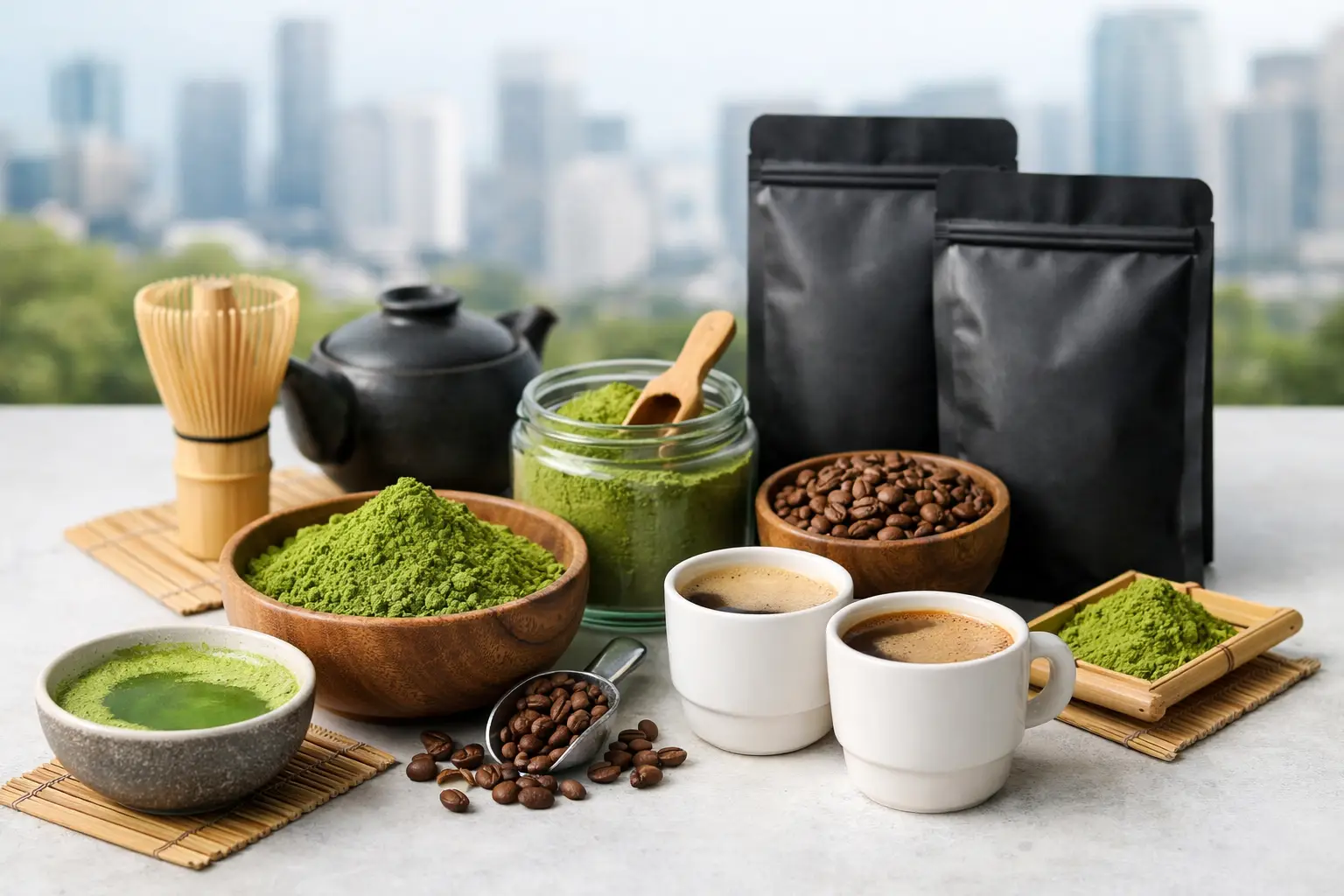
A good matcha menu can raise average ticket size fast, but only if the powder performs the same way every day. That is why wholesale matcha powder Singapore buyers choose needs more than a nice label or a bright green color. For cafés, restaurants, bakeries, and beverage brands, the real question is whether the matcha can hold up in service, deliver a reliable flavor profile, and make financial sense at scale.
What matters most when buying wholesale matcha powder Singapore businesses can rely on
If you are sourcing for a business, matcha is not just an ingredient. It affects drink consistency, prep speed, menu pricing, and customer perception. A powder that tastes balanced in a sample cup can still fail during rush hour if it clumps too easily, turns dull in milk, or changes noticeably from batch to batch.
That is why experienced buyers usually evaluate matcha through three filters at once – flavor, functionality, and cost-in-use. Flavor covers the obvious points like bitterness, sweetness, umami, and finish. Functionality is how the powder behaves in real menu applications such as lattes, soft serve, frappes, pastries, and sauces. Cost-in-use goes beyond pack price and looks at dosage, waste, and whether the product supports the price point you want to charge.
In practice, the cheapest bag is rarely the best value. A lower-cost powder may require a heavier dose to show up in milk, which pushes your per-cup cost higher. On the other hand, a premium ceremonial-style matcha may be excellent on its own but too expensive for high-volume latte service. Most commercial programs need something in the middle – clean flavor, stable color, workable texture, and pricing that protects margin.
Choosing the right grade for your menu
One of the most common sourcing mistakes is buying by grade name alone. Terms like ceremonial, premium, and culinary are useful, but they are not fully standardized across suppliers. Two products labeled premium matcha can taste very different.
For café drinks, the better approach is to buy according to use case. If your menu is centered on iced and hot lattes, you typically want a powder with enough body and character to come through milk without becoming harsh. If you are producing matcha shots, tea service, or lighter-style beverages with less sweetener, a smoother and less bitter profile matters more.
Baking and kitchen applications are another category altogether. A matcha intended for cakes, cookies, sauces, or ice cream can be slightly more assertive because it has to survive heat, sugar, and fat. The trade-off is that a baking-grade product may taste flatter or more bitter in a straight latte. Using one powder for every application sounds efficient, but it does not always produce the best result.
Many operators end up with two SKUs – one for beverages and one for kitchen use. That adds a little complexity to inventory, but it often improves both drink quality and cost control.
Taste profile matters more than marketing terms
When reviewing samples, focus on what customers will actually notice. A good commercial matcha for milk drinks should look vibrant, whisk reasonably well, and have a pleasant grassy or earthy profile without crossing into aggressive bitterness. Some powders lean nuttier, some are more marine and savory, and some are sweeter upfront.
There is no universal best profile. It depends on your audience. If your customers like sweeter café-style drinks with flavored syrups, a softer and rounder matcha may be easier to work with. If your brand leans specialty and less sweet, you might prefer a more distinctive umami-driven profile.
How to test matcha before committing to volume
Sampling should mirror service conditions, not ideal lab conditions. That means testing the powder in the exact drinks and recipes you plan to sell. Prepare it hot and iced. Try it with whole milk, oat milk, and any alternative milk you use regularly. If you plan to sweeten it, test with your actual syrup or sugar level.
Look closely at solubility and foam behavior. Some matcha looks fine in a bowl but forms sediment quickly in takeaway drinks. Others blend well but lose color once milk is added. If you are using blenders for iced drinks, make sure the flavor still comes through after dilution.
It also helps to compare cost by recipe, not just by kilogram. A powder that gives you the same visual and flavor impact at 8 grams instead of 12 grams can be a stronger wholesale option even if the bag costs more upfront.
Questions smart buyers ask suppliers
Reliable supply is part of product quality. Before placing a larger order, ask about origin, harvest timing, packing format, storage recommendations, and batch consistency. Ask whether the product is intended for beverage service, kitchen use, or both.
You should also ask practical questions about lead time and availability. A matcha that fits your menu perfectly is still a risk if stock is inconsistent or reorder windows are too tight. For businesses running multiple outlets or seasonal promotions, continuity matters as much as cup quality.
Price, margin, and the hidden cost of inconsistency
Wholesale buying always comes back to margins. But with matcha, inconsistency creates costs that are easy to miss. If one batch tastes more bitter, staff may overcompensate with extra sweetener. If color fades, customers may assume quality has dropped. If texture is poor, drinks take longer to remake and service slows down.
A stable powder supports operational efficiency. Staff can follow a standard recipe with less guesswork. Customers get a drink that matches what they ordered last week. Your menu pricing stays defensible because the experience feels intentional.
This is especially important in competitive urban markets where beverage trends move quickly. Matcha demand has grown beyond niche tea drinkers. It now sits comfortably beside coffee, chocolate, chai, and fruit-based drinks as a core menu category. That creates opportunity, but it also means customers have more points of comparison. A weak or chalky matcha latte gets noticed fast.
Packaging and storage are not minor details
Once you buy wholesale matcha powder Singapore operators plan to use at volume, storage becomes part of quality control. Matcha is sensitive to light, heat, moisture, and air exposure. Poor storage can flatten the flavor and dull the color long before the bag is empty.
For busy stores, larger packs may reduce cost, but they are not always the best operational choice. If your team opens and closes a large bag repeatedly, oxidation can become a problem. Smaller sealed packs may cost slightly more per unit but preserve freshness better and reduce waste.
Think about your daily throughput. A high-volume café may finish a large pack quickly with no issue. A bakery using matcha only for selected items may benefit from smaller formats. The right packaging depends on how fast the product moves in your business.
Finding a supplier that fits commercial reality
The best supplier relationship is not just about having matcha in stock. It is about getting the right recommendation for your menu, your price point, and your expected volume. A dependable beverage supplier should be able to explain the difference between powders clearly, advise on use cases, and support repeat ordering without making the process complicated.
That is where a curated specialty beverage supplier can make a real difference. Instead of forcing buyers to sort through vague grade names and inconsistent product descriptions, a good partner helps narrow the choice based on actual application. For operators managing coffee, tea, chocolate, chai, and matcha in the same program, that kind of practical guidance saves time.
It also helps when your supplier understands broader beverage operations. Matcha rarely sits alone on a menu. It competes for space, labor, and ingredient budget with espresso drinks, tea, seasonal specials, and dessert items. A supplier that understands this can recommend products that work within a larger commercial setup, not just in isolation.
For businesses that want one source for café ingredients and beverage supplies, a company like Auresso fits that need well because the buying decision is not only about matcha quality. It is also about ordering convenience, responsive support, and dependable fulfillment across multiple beverage categories.
When it makes sense to switch your current matcha
If your current product is selling, that does not automatically mean it is the best option. Switching may be worth exploring if your drinks need too much sweetener to taste balanced, if your color is inconsistent, or if your recipe cost has quietly climbed over time.
The same goes for customer feedback. If people describe your matcha as too earthy, too weak, or too bitter, that is useful buying data. Sometimes the fix is a better recipe. Sometimes the powder itself is the limitation.
A better wholesale matcha should make your menu easier to run, not harder. It should suit your customer base, support your margins, and perform consistently whether the drink is made by your head barista or your newest team member.
The right powder is the one that keeps working after the sample stage – in real service, at real volume, with real customers coming back for the same drink again.