

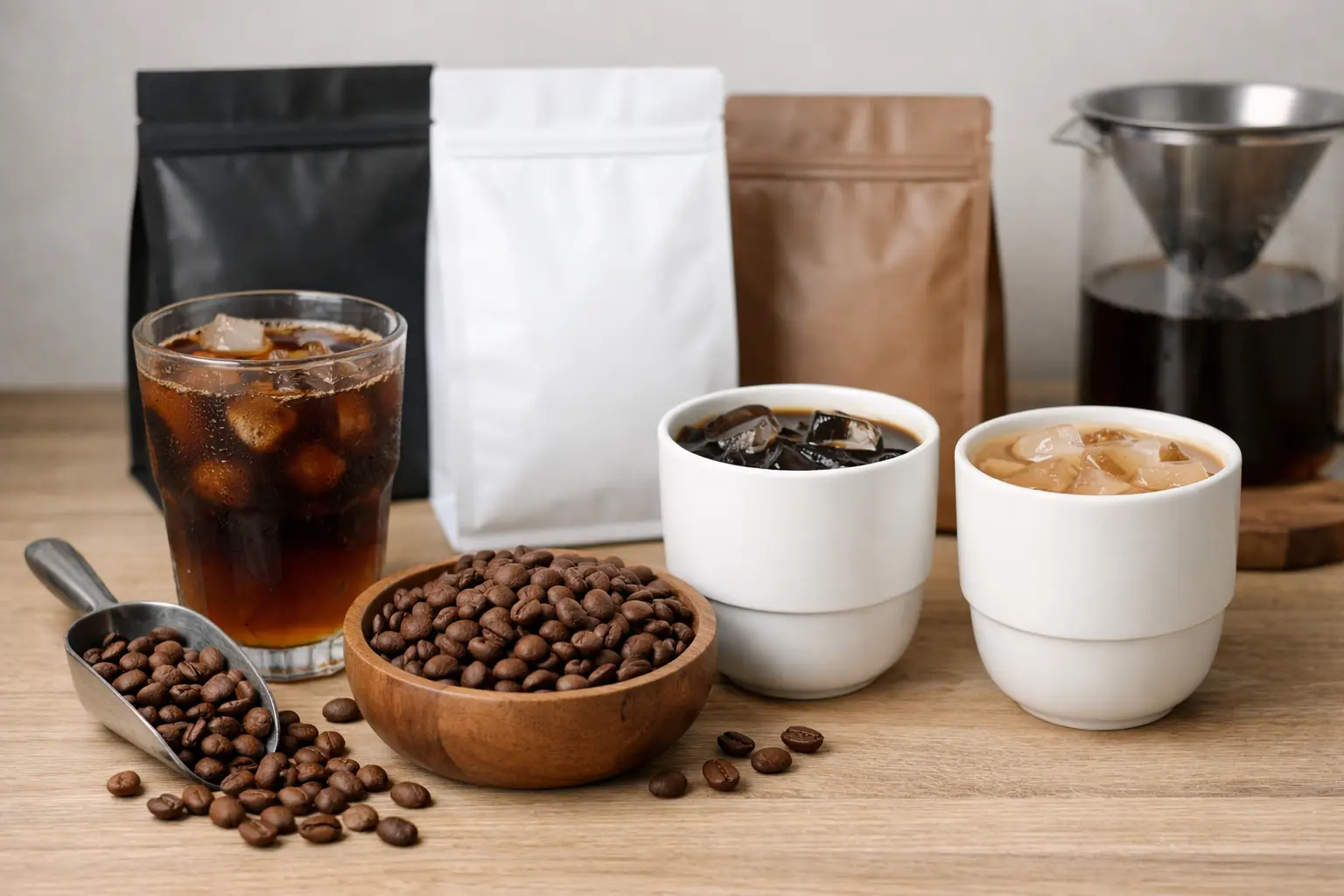
Cold brew can make an average coffee taste flat for a full week. It can also turn a well-chosen bean into a sweet, smooth concentrate with enough character to serve black, over ice, or with milk. The best coffee beans for cold brew are not simply the darkest beans on the shelf. They are beans with a flavor profile that stays clear and enjoyable after a long, cool extraction.
For home brewers, that means choosing coffee that fits the way you drink it. For cafés and foodservice teams, it means selecting a bean that delivers the same cup day after day, works with your recipe, and still has a sensible cost per serving. Start with flavor and roast level, then let your brew method and menu decide the rest.
What Makes a Coffee Bean Good for Cold Brew?
Cold water extracts coffee more slowly and differently than hot water. It tends to emphasize sweetness, chocolate, nuts, caramel, and mellow fruit while reducing sharp acidity. That makes cold brew naturally approachable, but it can also soften delicate flavors until they disappear.
A good cold brew bean therefore needs enough body and flavor density to remain present after 12 to 18 hours of steeping. Coffees with cocoa, brown sugar, roasted nuts, toffee, dried fruit, or a gentle berry note are often dependable choices. The final result should taste sweet and clean, not woody, thin, overly bitter, or sour.
The intended drink matters just as much. A bright, fruit-forward single origin may make a refreshing black cold brew, while a fuller medium-dark blend is often a stronger fit for milk-based iced drinks. There is no universal winner – there is only the bean that performs best in your recipe.
Roast Level: Start With Medium to Medium-Dark
Medium and medium-dark roasts are usually the safest starting point for cold brew. They offer enough developed sweetness and body for a satisfying cup without pushing too far into smoky or charred flavors. Look for tasting notes such as chocolate, caramel, hazelnut, almond, molasses, or stone fruit.
A medium roast is a strong choice for drinkers who take cold brew black or with a small splash of milk. It can retain more origin character, especially if you enjoy a subtle fruit note alongside cocoa sweetness. Coffee from Colombia, Brazil, Guatemala, or a balanced regional blend often performs well here.
Medium-dark roasts are ideal when the cold brew will be diluted heavily, served with milk, or used as a café base. Their deeper body and lower perceived acidity stand up well in iced lattes, cold brew with cream, and sweetened drinks. The trade-off is that a very dark roast can introduce bitterness and roast smoke that become more obvious after a long steep.
Light roasts are not off-limits, but they are less forgiving. A light roast with floral, citrus, or tea-like character may taste lively when brewed hot yet become underdeveloped in cold water. Choose one only when it has a clearly sweet base, such as honey, tropical fruit, or ripe berry, and be prepared to fine-tune your brew time.
Best Coffee Beans for Cold Brew by Flavor Preference
For chocolatey, easy-drinking cold brew
Choose a medium or medium-dark blend with a Brazil-led profile or a coffee known for cocoa, nuts, caramel, and low acidity. These beans make the familiar cold brew many customers expect: smooth, round, and naturally sweet. They are also a reliable option for first-time home brewers because minor changes in steep time are less likely to produce an unpleasant cup.
For a café, this is often the most commercially flexible profile. It works black, pairs naturally with milk, and gives syrups room to shine without losing its coffee character.
For a brighter black cold brew
Choose a medium roast with fruit notes that are ripe rather than sharply citrusy. Colombian coffees can bring red apple, berry, and caramel qualities. Washed Central American coffees may offer a clean sweetness with stone fruit or brown sugar. A carefully selected Ethiopian coffee can work beautifully too, especially one with blueberry, peach, or jam-like notes.
Use these coffees when cold brew is part of a premium black coffee offering. They can be memorable and refreshing, but their flavor may shift from batch to batch, so cafés should taste each new lot before setting a final recipe.
For milk, cream, and flavored drinks
Pick a medium-dark roast or espresso-style blend with a syrupy body. Notes of dark chocolate, praline, toasted almond, and brown sugar remain noticeable when milk and ice are added. Avoid beans that are only described as bright, delicate, or floral if the finished beverage will include several pumps of syrup.
This is where blends often have an advantage. A well-built blend is designed for balance and repeatability, which helps beverage teams keep the drink profile stable across busy service periods.
For a more distinctive seasonal menu
A fruit-forward natural-process coffee can give cold brew an appealing jammy or wine-like note. These beans can create a standout limited offering, particularly when served black or paired with tonic water. They are not always the best choice for an everyday house cold brew, however. Their intensity can be polarizing, and their character may clash with dairy or sweet sauces.
Single Origin or Blend?
Single-origin beans are useful when you want a clear story and a recognizable flavor identity. A coffee from one region or producer can bring distinctive sweetness, fruit, or spice to the cup. For home brewers who enjoy trying new coffees, single origins make cold brew more interesting than a routine habit.
Blends are frequently the better operational choice. They are built to create body, sweetness, and balance, and they tend to perform more consistently across different brew days. A blend with components selected for chocolate, caramel, and nutty depth is particularly dependable for cold brew concentrate.
Neither option is inherently more premium. The better purchase is the coffee that matches your target flavor, your serving style, and the consistency your customers expect.
Freshness Matters, But Resting Matters Too
Use coffee that has been roasted recently, but do not assume beans are ready the moment they leave the roaster. Freshly roasted coffee releases carbon dioxide for several days. Brewing it too soon can make extraction uneven and lead to a less settled flavor.
For most cold brew recipes, beans rested for roughly one to three weeks after roasting offer a practical sweet spot. Keep them in an airtight container away from heat, sunlight, and moisture. Buy a quantity you can use while the coffee is still tasting lively rather than storing a large supply for months.
For a business, dependable replenishment is part of freshness. A great bean is not a practical house coffee if supply is inconsistent or the replacement profile changes without warning. Working with a supplier that curates both local and imported roasters can make it easier to maintain choice without sacrificing availability.
Grind Size Can Make or Break the Bean
Even the right coffee will disappoint if it is ground poorly. Cold brew generally calls for a coarse grind, similar to raw sugar or slightly coarser. Fine grounds can overextract, create sediment, and make filtration slow. Grounds that are extremely coarse may leave the coffee weak and underdeveloped.
Grind immediately before brewing whenever possible. If you buy pre-ground coffee, choose a grind specifically prepared for cold brew and use it promptly. For cafés, a commercial grinder with repeatable settings is worth the attention because small grind changes can alter a batch more than expected.
A useful baseline is a 1:8 coffee-to-water ratio for ready-to-drink cold brew, or around 1:4 to 1:5 for concentrate. Steep in cold water for 12 to 18 hours, then filter thoroughly. Adjust one variable at a time: use a longer steep or slightly finer grind for more intensity, and use a shorter steep or coarser grind if bitterness becomes distracting.
A Smart Buying Checklist for Home and Café Use
Before ordering, read the roast description and tasting notes rather than relying on the bag design or a broad label such as “cold brew roast.” Confirm whether the bean is medium or medium-dark, whether its core flavors suit black coffee or milk drinks, and whether whole bean is available. For cafés, calculate the cost after dilution, not only the cost per bag.
It is also worth tasting two or three candidates side by side using the same water, ratio, and steep time. One coffee may be sweeter black, while another is clearly better with milk. That small trial gives home brewers more confidence and gives beverage teams a stronger basis for a menu decision.
At Auresso, the most practical approach is to choose from clearly presented roast profiles and use cases, then build your cold brew around the flavor customers will actually order. A medium roast with chocolate and caramel notes is rarely the flashiest option, but it is often the coffee that earns repeat pours. Start there, taste carefully, and let your preferred serve guide the next bag.