

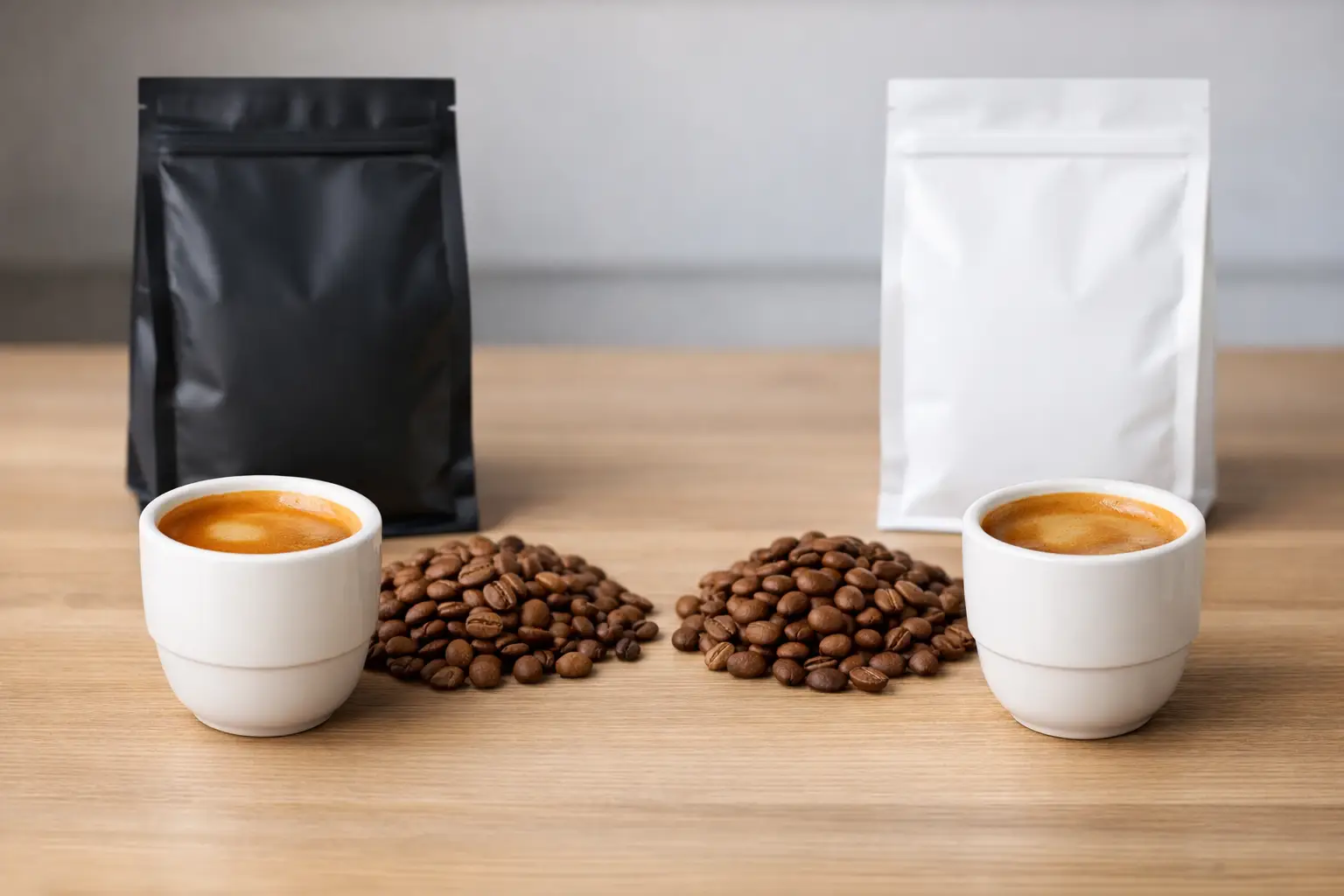
A shot tastes great at 9 a.m., then suddenly runs sharp and thin at 2 p.m. Same grinder, same recipe, same barista. That is usually when the espresso blend vs single origin question stops being theoretical and becomes very practical.
For home brewers, this choice affects how forgiving your setup feels and how often you get a sweet, balanced shot. For cafés, it affects menu consistency, milk drink performance, seasonal flexibility, and how much dialing-in time the team needs. Neither option is automatically better. The right choice depends on what kind of espresso experience you want to serve or drink.
Espresso blend vs single origin: the real difference
An espresso blend combines coffees from two or more origins, processing methods, or lots. The roaster builds the profile intentionally, often aiming for balance, sweetness, body, and reliable extraction. A classic blend might pair a chocolatey Brazil with a washed Central American coffee for structure and a touch of African coffee for brightness.
A single origin comes from one country, region, farm, or even a specific lot. Its appeal is clarity. Instead of a composed flavor profile, you are tasting the distinct character of that origin. That can mean floral aromatics, berry acidity, tropical fruit, spice, or a particularly transparent sweetness.
This is why the cup experience differs so much. Blends are designed. Single origins are presented.
Why espresso changes the equation
Brewing coffee as espresso compresses everything. Acidity feels brighter, bitterness can show up faster, and small changes in grind size or dose become obvious in the cup. A coffee that tastes clean and elegant as filter can feel aggressive or unbalanced as espresso if it is not developed and extracted well.
That matters because some coffees are naturally easier to use for espresso than others. Many espresso blends are built for this exact pressure-based brewing style. They aim to give you sweetness, crema, structure, and a finish that holds together whether you drink it black or with milk.
Single origins can be excellent as espresso too, but they are often less forgiving. That is part of the appeal for enthusiasts and specialty cafés. The shot can be more expressive and memorable. It can also miss the mark more easily if your grinder, recipe, or workflow is not consistent.
When an espresso blend makes more sense
If your goal is a dependable daily espresso, a blend often gives you the easiest path. Good espresso blends are usually built to reduce extremes. They smooth out excessive acidity, add body, and create a flavor profile that appeals to a wider range of drinkers.
For milk drinks, blends are especially strong. Chocolate, nuts, caramel, and dark fruit notes tend to stay present in flat whites, cappuccinos, and lattes. That matters in busy service environments where espresso is only one part of the drink. A beautifully floral single origin might disappear in 8 ounces of milk, while a well-built blend still cuts through cleanly.
Consistency is another major advantage. Café owners care about this more than most people realize. If a customer orders the same latte every morning, they expect a familiar taste. Blends help deliver that. Roasters can adjust components over time to keep the flavor profile stable even when harvests change.
At home, the same logic applies. If you want fewer sink shots and less time spent chasing the perfect grind setting, a blend is often the more practical buy. It gives a wider margin for error, especially on entry-level or mid-range equipment.
When single origin is the better choice
Single origin espresso makes sense when flavor distinction is the point. You are not just looking for “good espresso.” You want this espresso, with the specific personality of an origin or farm clearly visible in the cup.
That can be exciting for home brewers who enjoy experimenting. It is also valuable for cafés that want a rotating feature espresso or a more education-led coffee program. A single origin can create conversation. Customers may notice jasmine, stone fruit, red berries, or cane sugar rather than just the familiar chocolate-caramel profile they expect from a blend.
There is also a transparency benefit. Single origins can tell a more direct sourcing story. For some buyers, that matters just as much as taste. You know what coffee you are presenting, and you can talk about region, process, and seasonality with more specificity.
The trade-off is that single origins are often less stable in an operational sense. They may require tighter dialing in, and their flavor can shift more obviously as the coffee ages or room conditions change. That does not make them worse. It just makes them more demanding.
Flavor, body, and acidity in the cup
If you prefer espresso that feels rounded and comforting, blends usually lead. They often have heavier body, lower perceived acidity, and a more classic espresso profile. Think cocoa, roasted nuts, toffee, brown sugar, and a fuller mouthfeel.
If you prefer espresso that feels vivid and articulate, single origins often stand out. You may get brighter citrus, cleaner fruit, floral aromatics, and more layered acidity. The body can be lighter, though not always. Some natural or honey-processed single origins can still produce plenty of texture.
This is where personal preference matters more than coffee ideology. Some drinkers hear “single origin” and assume higher quality. That is not always true. Quality depends on the coffee, the roast, and how well it suits espresso. A great blend can outperform an average single origin without trying very hard.
What cafés should consider before choosing
For a house espresso, most cafés benefit from a blend. It supports consistency across shifts, works better for milk-heavy menus, and reduces training pressure. If your team is still building espresso skills or your menu leans heavily toward lattes and cappuccinos, a blend is usually the smart commercial decision.
A single origin can still play an important role. Many shops use one as a guest espresso or seasonal option alongside the house blend. That gives customers a choice. It also lets the café highlight a roaster, farm, or processing style without risking the consistency of the core menu.
Cost control matters too. Some single origins carry higher pricing due to lot size, scarcity, or processing method. If your margins are tight, using a premium single origin as the default milk-beverage base may not make sense. A dependable blend often delivers better value per cup while still meeting customer expectations.
What home brewers should consider
If you are new to espresso, start with a blend. It will teach you what a balanced shot should taste like without punishing every small mistake. Once you can dial in confidently, single origins become much more enjoyable because you can actually taste what makes them different.
Your equipment matters here. Higher-end grinders and machines give you more control over extraction, which helps when working with single origins that have narrow sweet spots. If your setup is modest, that does not mean you cannot enjoy single origin espresso. It just means the coffee may ask more from you than a blend would.
Drink style matters too. If you mostly make milk drinks, a blend is often the better fit. If you drink straight espresso or americanos and enjoy comparing flavor notes, single origin can be much more rewarding.
A simple way to choose
If you need one coffee to please many people, choose a blend. If you want one coffee to express a specific place, choose a single origin.
If consistency, speed, and broad appeal matter most, go with a blend. If curiosity, seasonality, and distinct flavor matter most, go with single origin. And if you run a café or take home espresso seriously, the best answer may be both: a reliable blend for everyday use and a rotating single origin for discovery.
That is usually the most useful way to think about espresso. Not as a debate with a winner, but as matching the coffee to the job. The right choice is the one that tastes good in your cup, works with your workflow, and keeps you wanting the next shot.