

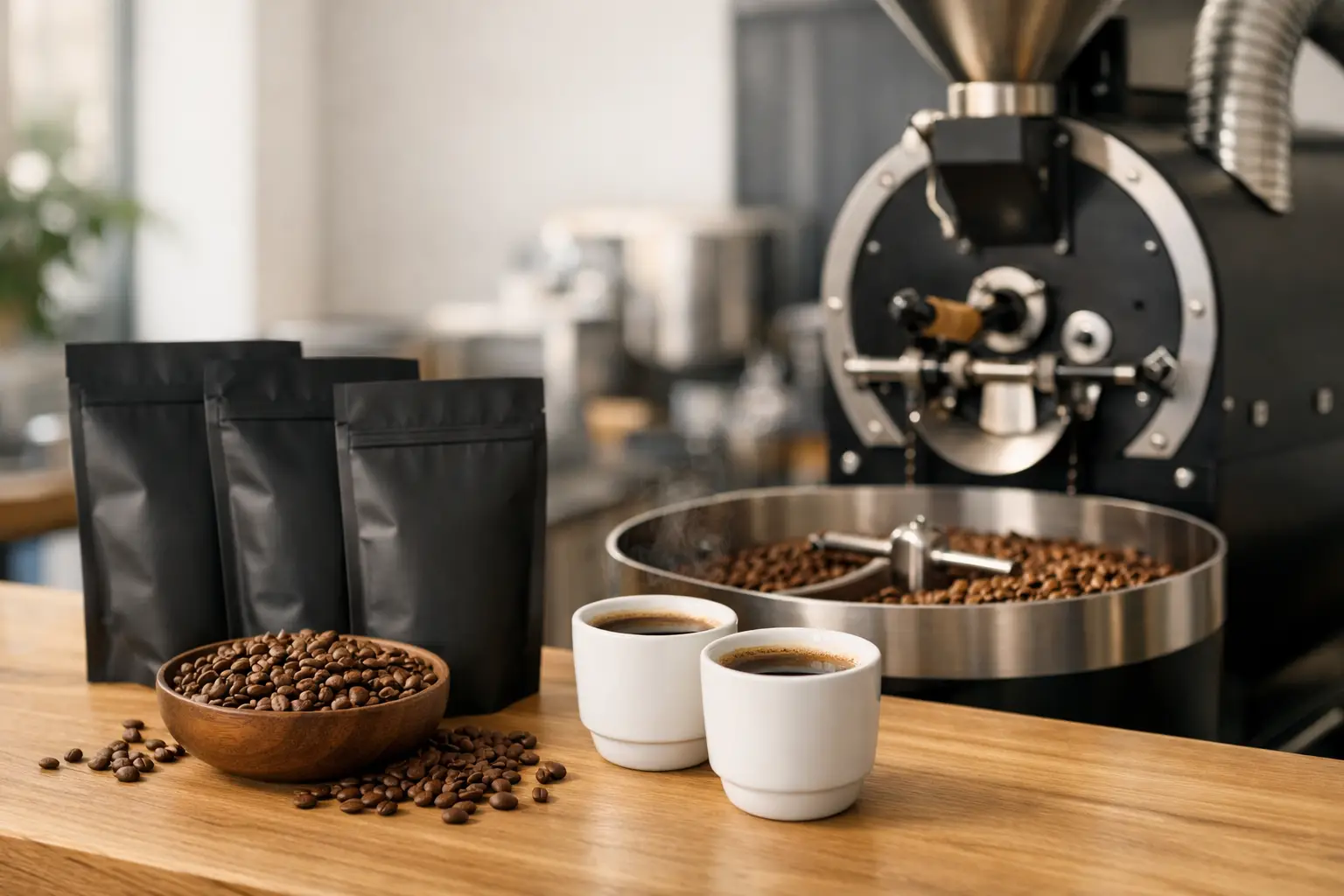
A preorder should do more than collect orders before a coffee shipment arrives. A strong coffee roaster preorder launch example gives customers a reason to care now, gives the seller a clearer demand forecast, and sets realistic expectations around roast dates and delivery. For limited coffees, guest roasters, and imported releases, that clarity is what turns interest into confident purchases.
The most effective launches do not rely on vague scarcity. They explain what is special about the coffee, who it suits, when it will be roasted or dispatched, and why ordering during the preorder window is worthwhile. That approach works for home brewers planning their next bag and for cafés that need dependable stock for a menu change.
Why preorders work for specialty coffee
Freshness is a major reason to run a preorder instead of simply listing a coffee as available. When a launch is tied to a defined ordering window, roasters and suppliers can better plan production, reduce the chance of excess inventory, and move coffee closer to the customer at an appropriate stage after roasting.
Preorders also create a practical buying moment. A customer may enjoy browsing new beans, but they are more likely to act when they know a particular lot is available for a short period, in limited quantities, or through a scheduled incoming shipment. The key is to be precise. “Limited release” means little without an order deadline, expected fulfillment date, or a useful explanation of what makes the coffee limited.
For trade buyers, preorders can reduce operational uncertainty. A café can reserve enough bags for an espresso rotation, filter bar feature, or retail shelf without waiting for a release to sell through. In return, the supplier receives better visibility into volume and can prepare support around grind, roast profile, or recommended brew use.
A coffee roaster preorder launch example
Imagine a specialty supplier introducing a seasonal guest-roaster coffee: a washed Ethiopian single origin with floral aromatics, stone-fruit sweetness, and a clean tea-like finish. It is roasted for filter brewing but remains flexible enough for a light, fruit-forward espresso. The coffee is arriving in a limited allocation, and the preorder window runs for seven days.
The product message should lead with the drinking experience, not logistics alone:
> Preorder now: Seasonal Ethiopian Single Origin > A bright, floral coffee with peach, bergamot, and honey notes. Roasted for filter, enjoyable as a modern espresso. Preorders close Sunday at 11:59 p.m. Expected dispatch begins the following Thursday while allocation lasts.
That short message handles the essential questions. Customers know the origin and flavor direction, understand how the coffee is intended to be brewed, see a clear deadline, and get an expected dispatch date. It does not promise an impossible delivery date or hide the fact that the coffee is not ready to ship immediately.
The full product page can then add useful buying detail. Include the processing method, roast style, bag size, whole-bean or ground options if offered, and a practical brew recommendation. For example, a home brewer may appreciate a starting recipe for pour-over, while a café buyer may need to know whether the coffee is suitable for batch brew, espresso, or retail resale.
A clear offer can add momentum without discounting the coffee into a commodity. The launch might include a small preorder benefit such as priority allocation, a tasting card, a bundled price when purchased with a second seasonal coffee, or free shipping above a stated threshold. For cafés, the benefit could be a sample bag alongside a qualifying wholesale reservation, subject to availability.
Example launch timeline
A seven- to ten-day preorder window is often long enough for customers to make a considered purchase while keeping the launch focused. Start by teasing the release two or three days before ordering opens. Show the coffee bag, share the flavor profile, and explain the release date. Do not reveal every detail too early if the goal is to create a clear launch moment, but do give enough information for buyers to decide whether it fits their taste.
On launch day, publish the product listing and make the deadline highly visible. The first announcement should answer the basic purchase questions immediately: what it is, what it tastes like, when preorders close, and when orders are expected to ship. If the coffee is especially suited to a common brew method, say so plainly. “Best for pour-over and batch brew” is more useful than broad language about exceptional quality.
Midway through the preorder window, give customers another reason to look. Share a brewing tip, explain the producer or region, or compare the release to a familiar flavor profile. A coffee with jasmine and citrus notes may appeal to drinkers who enjoy tea-like washed coffees, while a syrupy natural-process coffee may be a better fit for those who want berry sweetness and more body.
In the final 24 to 48 hours, remind customers that the deadline is approaching. This is the appropriate place for urgency because it is factual. Avoid repeatedly suggesting that stock is almost gone unless allocation data supports that claim. Trust is more valuable than a dramatic countdown.
What the product page needs to convert
A preorder page should be easy to scan, especially on mobile. Start with the coffee name, price, bag size, and preorder status. Place the order deadline and expected shipping or pickup date near the purchase option, not buried in a long description.
Then help the customer choose with flavor and use-case details. Tasting notes are useful, but they work best alongside plain language. “Peach, bergamot, honey” is appealing; “bright, delicate, and best for drinkers who enjoy clean floral cups” helps a shopper make a decision. For an espresso-oriented release, explain whether to expect chocolate and caramel comfort, ripe-fruit intensity, or a lighter modern profile.
Be equally clear about fulfillment. Preorder customers are generally comfortable waiting when the timing is stated before checkout. Confusion happens when a site uses “in stock” language for an item that will ship later, or when fulfillment dates are presented as guarantees despite variables such as roasting schedules, customs clearance, or courier delays. Use “expected dispatch begins” when appropriate and communicate promptly if the schedule changes.
For a broader beverage catalog, a preorder can also be paired with ready-to-ship items. State whether those products will ship together with the preorder or separately. A customer ordering coffee, matcha, and chai should not have to guess why their shipment is delayed.
Plan the offer around margin and demand
A preorder is not automatically profitable just because it produces early sales. Imported coffee, small release volumes, packaging costs, payment fees, and shipping subsidies can quickly narrow the margin. Before setting an incentive, calculate the value of the reservation against the actual cost of fulfilling it.
A discount may make sense for a larger launch or a slower-moving category, but it is not always the best choice for a limited specialty coffee. Priority access, a two-bag discovery bundle, or a modest threshold-based shipping offer can preserve the perceived value of the release. It depends on your inventory position and whether the objective is to maximize revenue per order, bring in first-time buyers, or secure committed wholesale volume.
For cafés, communicate case sizes, wholesale pricing structure, and the cutoff for reservations separately from consumer messaging. A café manager needs fewer tasting adjectives and more confidence that the coffee will arrive in time for staff calibration and menu rollout. Offering a realistic buffer before the requested delivery date is far better than promising an aggressive schedule that puts service at risk.
Follow through after the preorder closes
The preorder experience continues after payment. Send a confirmation that repeats the expected dispatch period and tells customers what happens next. When roasting or inbound stock is confirmed, update buyers again. A short, factual message reassures people that their order has not disappeared into a queue.
Once the coffee ships, include a practical note on resting and brewing. Some coffees shine after several days of rest, particularly for espresso, while filter coffee can often be enjoyed sooner. This guidance helps customers get a better first cup and reduces the chance that they judge a coffee before it has settled.
After delivery, invite feedback in a way that supports the next release. Ask which brew method they used, whether the tasting notes matched their cup, and what type of coffee they would like to see next. Reviews and customer comments are especially valuable when they help future buyers choose with confidence.
A well-run preorder is a promise with a timetable: interesting coffee, honest availability, clear fulfillment, and useful guidance once the bag reaches the brewer. Keep that promise consistently, and each limited release becomes easier for customers to anticipate and easier for your business to plan.