
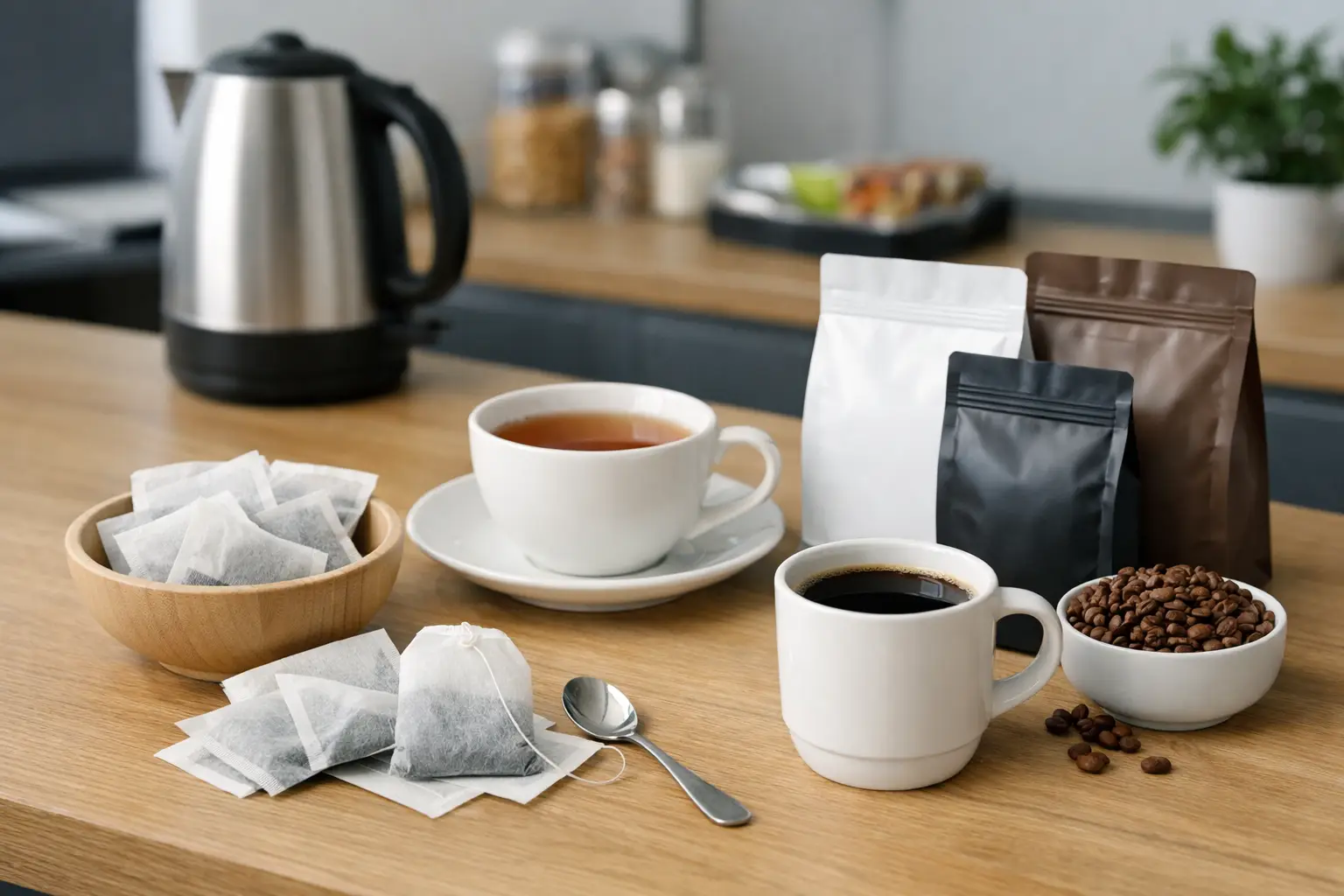
A well-stocked pantry does more than fill a shelf. It gives early arrivals a reliable cup before meetings, offers a caffeine-free option after lunch, and makes visitors feel considered. Choosing tea bags for office pantry use means balancing familiar flavors, quality, convenience, and a budget that stays practical as headcount grows.
Coffee may lead many workplace beverage programs, but tea earns its place through range. One employee may want a strong black tea with milk, another may prefer a light green tea, and someone else may need an herbal cup with no caffeine at all. The best pantry selection does not try to satisfy every niche preference. It covers the daily essentials well, then adds a small premium touch that makes the break room feel better managed.
Start With the Teas People Actually Drink
For most offices, a compact assortment works better than an oversized box of random flavors. A broad selection looks generous at first, but it can leave behind half-used varieties while the popular options disappear in a week. Start with four dependable categories: black tea, green tea, herbal tea, and one distinctive option such as peppermint, chamomile, or a fruit blend.
Black tea should take the largest share of your order. It is familiar, works well plain or with milk and sugar, and appeals to coffee drinkers who want a different kind of morning lift. English Breakfast-style blends and other full-bodied black teas are reliable choices for shared kitchens because they brew consistently and hold their flavor in a larger mug.
Green tea deserves a regular place, particularly in offices where lighter, less intense drinks are popular. Choose a clean, accessible green tea rather than an aggressively grassy or highly specialized style. The goal is easy drinking, not a tea tasting class at 3 p.m.
Herbal tea is not an optional extra. It is the category that makes a pantry inclusive for people avoiding caffeine, pregnant employees, and anyone looking for a calmer afternoon drink. Peppermint is refreshing and familiar, while chamomile offers a gentler evening-friendly option for teams working later shifts. If pantry space is limited, carry one herbal tea first and track demand before adding more.
Match Tea Bags for Office Pantry Needs to Your Team
The right range depends on who uses the pantry and how they use it. A client-facing studio, a large corporate office, a restaurant back office, and a co-working space may all order tea bags, but their priorities are different.
A compact team of 10 to 20 people can usually manage with a few varieties in smaller boxes. This keeps products fresh and makes it easy to adjust the mix after a month or two. A larger office needs volume, but volume should not mean sacrificing consistency. Choose individually wrapped tea bags when hygiene, shared storage, and clean presentation matter. They are especially useful in visitor areas and pantries where employees may grab a drink between appointments.
Unwrapped tea bags can offer better value for a busy staff-only pantry, provided the boxes are stored in clean, dry containers. The trade-off is simple: individually wrapped bags cost more and create more packaging waste, while unwrapped options need better storage discipline. There is no single right answer. Consider the office environment, the expected usage, and whether guests will be serving themselves.
For hospitality-driven workplaces, a premium tea line can make a noticeable difference. Better leaf quality, balanced blends, and attractive envelopes signal care without adding much complexity to daily operations. A premium option is particularly worthwhile when tea is offered in meeting rooms, reception areas, or alongside quality coffee.
Quality Shows Up in the Cup and the Routine
Tea bags are often treated as a low-stakes pantry purchase. That approach can lead to weak brews, dusty flavors, torn bags, and employees bringing their own tea from home. Quality does not always mean choosing the most expensive box. It means selecting tea that has a clear flavor, reliable portioning, and packaging that protects freshness.
Look for well-packed bags with identifiable ingredients and a clear best-before date. Black tea should have enough body to stand up to milk if your pantry provides it. Green tea should taste fresh rather than flat. Herbal blends should smell aromatic when opened, not stale or overly perfumed.
The brewing experience matters as well. Employees are unlikely to measure loose leaf tea or follow complex preparation instructions during a short break. Tea bags should deliver a satisfying cup with hot water, a mug, and a few minutes of steeping. That is why dependable everyday blends are usually a smarter office investment than highly delicate teas that need precise water temperature.
Build a Mix That Controls Spend Without Feeling Basic
A smart office tea program usually has a core range and a smaller upgrade range. The core range covers everyday black, green, and herbal tea in quantities that match demand. The upgrade range might include a more aromatic Earl Grey, a caffeine-free rooibos blend, or a specialty tea for meeting rooms.
This approach prevents two common problems. First, buying only premium tea for every cup can inflate pantry costs without improving satisfaction proportionately. Second, choosing only the lowest-priced options can create a poor experience that makes the pantry feel neglected. The best value sits between those extremes: reliable daily tea, sourced consistently, with a few better choices where they have the most impact.
Track usage for six to eight weeks before finalizing your regular order. If black tea runs out first, increase it. If chamomile remains untouched, replace it with peppermint or another herbal option. This small review process turns pantry ordering from guesswork into a practical purchasing routine.
For offices ordering several beverage categories, consolidating tea, coffee, drinking chocolate, chai, and related supplies with one dependable partner can also simplify replenishment. Auresso’s beverage-focused range is useful for teams that want to keep their pantry offering coordinated while maintaining clear product standards and ordering convenience.
Do Not Forget the Supporting Essentials
Good tea bags cannot compensate for a poorly equipped pantry. Clean mugs, a reliable kettle or hot-water dispenser, milk or nondairy alternatives where appropriate, sweeteners, stirrers, and a visible bin all affect whether people actually enjoy the drink. Keep tea near the hot-water station rather than in a distant cabinet, and label containers clearly so employees can find what they want quickly.
Storage deserves attention too. Heat, humidity, and strong odors can reduce tea quality. Keep unopened stock in a cool, dry area away from cleaning products, spices, or direct sunlight. Rotate older boxes to the front and avoid ordering more than your team can reasonably use before freshness declines.
A simple pantry organizer can help prevent waste. Separate caffeinated and caffeine-free options, reserve one section for guest-facing tea, and check stock on the same schedule as coffee and milk supplies. When ownership is clear, the pantry stays ready without last-minute runs to buy whatever happens to be available.
A Better Break Starts With a Better Default
The strongest tea selection is not the largest one. It is a thoughtful, consistently stocked range that respects different preferences and makes a good cup easy to prepare. Start with familiar black tea, add green and herbal choices, then adjust based on what your team reaches for. When the pantry default is genuinely good, the small ritual of making tea becomes one more reason people feel looked after at work.