

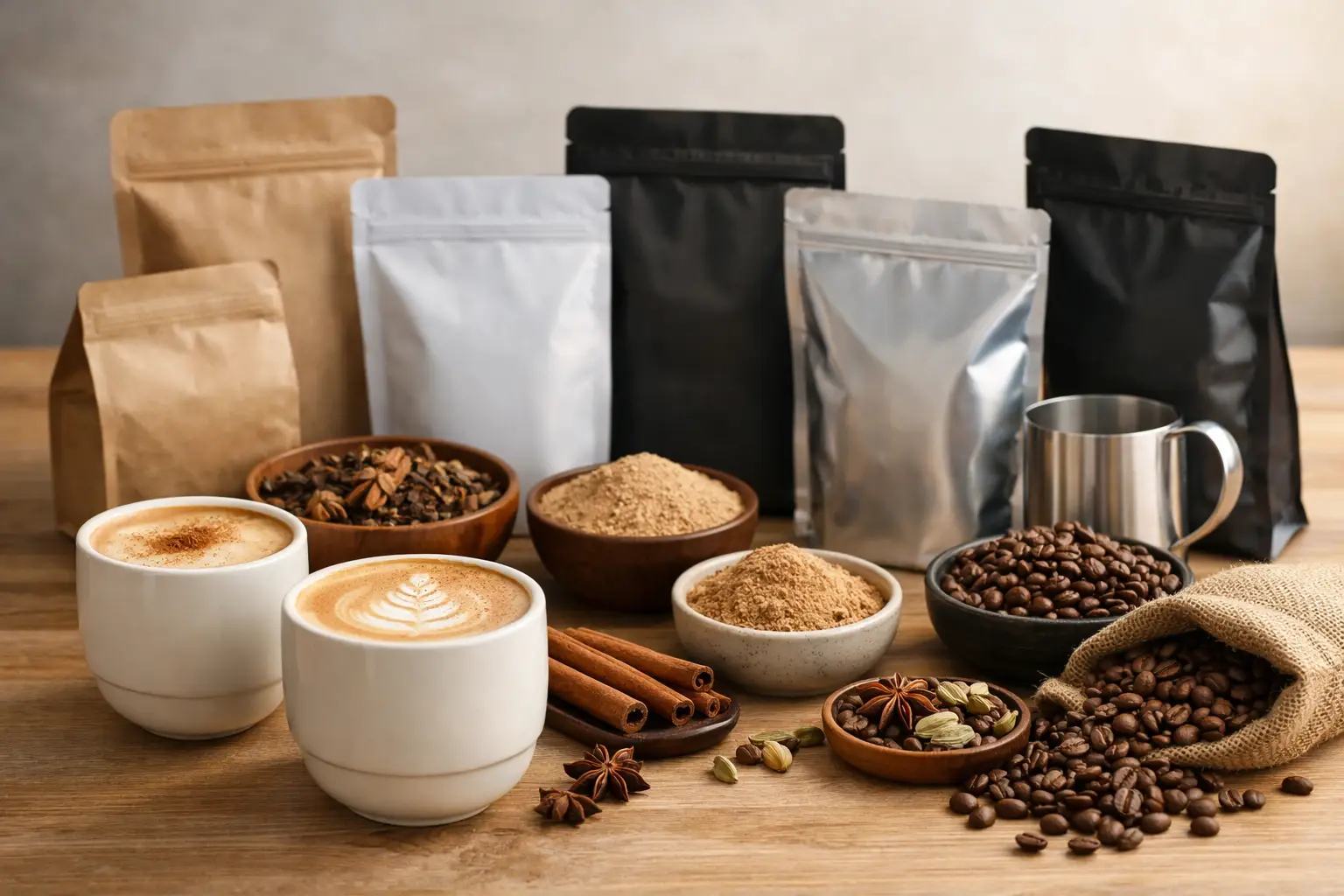
A good chai latte should not taste like cinnamon sugar stirred into hot milk. The best chai powder brands build a recognizable tea-and-spice character, dissolve reliably during a busy service, and give customers the same result on their first cup and their fiftieth. That balance matters whether you are making an afternoon drink at home or building a profitable café menu.
For cafés, the right powder is also an operational choice. It affects recipe speed, food cost, staff training, and how well the drink holds up with dairy, oat, soy, or iced preparation. For home drinkers, it comes down to flavor preference and how close the blend gets to the café-style cup you enjoy.
What makes a chai powder brand worth buying?
Chai powders are not all made for the same kind of drink. Some are sweet, creamy, and designed to be mixed directly with milk or water. Others lead with black tea and warming spices, leaving more room for a barista or home brewer to control sweetness and texture. Neither approach is automatically better.
A dependable blend should dissolve without stubborn clumps, especially in iced drinks. It should have enough spice to remain present after milk is added, without becoming overly peppery or medicinal. The ingredient panel also deserves attention. Sugar is often the first ingredient in chai latte powders, which is practical for fast service but can limit customization. Look for tea content, real spice notes, allergen information, and serving guidance before committing to a large bag.
For a café, test each candidate using the milk your customers order most. A powder that tastes balanced with whole milk can feel thin with oat milk, while a strongly spiced blend may become more appealing in an iced latte than a hot one.
12 best chai powder brands to consider
The following names are strong options across different flavor profiles and service needs. Availability, pack sizes, and formulas can vary by market, so confirm the current product specification before setting a permanent menu recipe.
1. Arkadia Chai Tea Spice
Arkadia is a practical café-first choice for operators who need a familiar, crowd-pleasing chai latte with straightforward preparation. Its profile generally leans sweet and spiced, making it approachable for customers who expect a creamy coffeehouse-style drink rather than a highly tannic tea.
It works especially well for fast counter service, hot chai lattes, and iced chai recipes. The trade-off is that spice-forward customers may want a blend with more tea depth or a less sweet base.
2. David Rio
David Rio is widely recognized for rich, aromatic chai blends with a distinct premium café feel. Its products often have a fuller spice presence than standard instant chai powders, and the brand has broad appeal among customers who want a more indulgent drink.
This is a good fit for retail shelves, gift-oriented purchasing, and cafés positioning chai as more than a secondary menu item. Watch portion control, since a generous scoop can make the drink sweeter and raise cost per cup quickly.
3. Big Train Spiced Chai
Big Train has long been a familiar name in blended beverage programs. Its spiced chai is designed for consistency and convenience, which makes it suitable for cafés, offices, and operators training new staff.
The flavor is typically smooth, sweet, and easy to drink. It is a sensible choice when speed and repeatability are priorities, though enthusiasts looking for pronounced cardamom, ginger, or black tea may prefer a more specialty-led blend.
4. Oregon Chai
Oregon Chai has a softer, comforting profile that suits customers who prefer balanced spice over intense heat. It is often an easy transition for coffee drinkers trying chai for the first time, particularly when served with dairy or a creamy plant-based milk.
For a home pantry, it is a reliable everyday option. For a café, it can be a useful house chai when your menu already includes bolder drinks such as matcha, mocha, or espresso-based specialties.
5. Rishi Masala Chai Concentrate and Mixes
Rishi is worth considering for buyers who care about tea quality and a more authentic spice direction. While the range includes concentrates and tea-forward formats rather than only classic powders, it belongs in the conversation for a premium chai program.
The advantage is complexity: expect more noticeable tea, ginger, cardamom, and aromatic spice. The trade-off is that it may require more deliberate recipe testing and may not satisfy customers seeking a very sweet instant latte.
6. Blue Lotus Chai
Blue Lotus appeals to drinkers who want a cleaner-label approach and flexibility over sweetness. Its chai powders are often used by customers who prefer to add their own sweetener or adjust the intensity to suit different milks.
That makes it especially useful at home and in cafés with a wellness-minded audience. It requires a little more recipe discipline than a pre-sweetened powder, but that control can become a genuine menu advantage.
7. Tea India Instant Chai
Tea India offers an accessible, familiar chai experience for buyers seeking a quick drink with recognizable Indian-inspired flavors. It is generally easy to prepare and can suit offices, home use, or casual foodservice settings.
Consider it when convenience matters most and you want a simple entry point into chai. It is less suited to a specialty menu where a distinctive spice signature is central to the brand experience.
8. Cuppa Chai
Cuppa Chai blends are designed around ease of service and creamy chai latte results. They can be a good choice for cafés that want a consistent beverage with minimal prep time and a flavor profile that works well for broad audiences.
Its strength is operational simplicity. Before buying in volume, compare its sweetness level with your existing flavored drinks so your menu does not become overly sugar-forward.
9. Good Earth Chai
Good Earth is known for a noticeably spiced profile, often with cinnamon and clove at the front. It can appeal to customers who enjoy a bolder, more aromatic chai rather than a gentle vanilla-like latte.
This makes it a useful option for seasonal menus and for home drinkers who want more spice character. It may be polarizing for customers who prefer a mild, creamy chai, so sampling is worthwhile.
10. Tazo Chai Latte Mix
Tazo is a recognizable mainstream option with broad consumer familiarity. Its chai products usually emphasize a smooth, approachable balance that is easy to serve hot or cold.
For a high-volume casual setting, brand recognition can make ordering easier. Specialty cafés may find the profile less distinctive than smaller-batch or tea-led alternatives, but it remains a dependable benchmark during product testing.
11. Karak Chai blends
Karak-style chai powders deserve attention where customers enjoy a richer, milk-forward spiced tea. These blends often feature warming spice and sweetness in a profile inspired by Gulf-region tea culture.
They can create a point of difference on a menu, especially when paired with pastries or savory breakfast items. Because formulas vary substantially between suppliers, request a sample and test for sweetness, solubility, and spice intensity before choosing one.
12. House-blend chai powders from specialty suppliers
A curated house chai powder can be one of the best choices when you want advice, reliable replenishment, and a blend suited to your local customer base. Specialty beverage suppliers often curate chai alongside matcha, drinking chocolate, tea, and café equipment, making ordering more efficient for businesses.
This route is particularly useful for operators who value responsive support and want to compare several beverage categories in one purchase. Auresso, for example, is positioned for buyers looking to source café ingredients alongside coffee and equipment rather than manage multiple suppliers.
How to choose between sweet, spicy, and tea-forward chai
Start with the drink you want to serve, not the brand name. A pre-sweetened powder is usually the most efficient choice for a busy café. Staff can use one scoop size, steam the milk, and produce a consistent drink with little room for error. This is also convenient for home drinkers who want a quick morning chai.
A lower-sugar or unsweetened blend gives you better control. It can be ideal for customers who request less sweetness, use alternative milks, or want a chai that feels closer to brewed spiced tea. However, it adds steps to service and requires a clear recipe card.
Tea-forward blends make sense when chai is a featured beverage. They offer more aroma and complexity, but they are not always the easiest crowd-pleasers. If your customer base primarily orders caramel lattes and sweet iced drinks, a smooth, creamy blend may sell better than the most traditional option.
Test chai powder before committing to a case
A sample session should include hot and iced tests. Prepare the manufacturer’s recommended recipe first, then repeat it with your most common milk choice. Taste the drink at serving temperature and again after ten minutes, because some powders become noticeably sweeter or flatter as they cool.
For café teams, calculate the exact cost per cup using the actual scoop weight, milk volume, cup, lid, and garnish. A cheaper bag is not always better value if it needs more powder per serving or produces inconsistent results. Also test how quickly it dissolves during peak service, since a great flavor is less useful if staff must stop to whisk every order.
The right chai powder earns its place through repeat orders. Choose a blend that fits your customers’ palate, your staff’s workflow, and the kind of beverage experience you want people to remember when they return.