

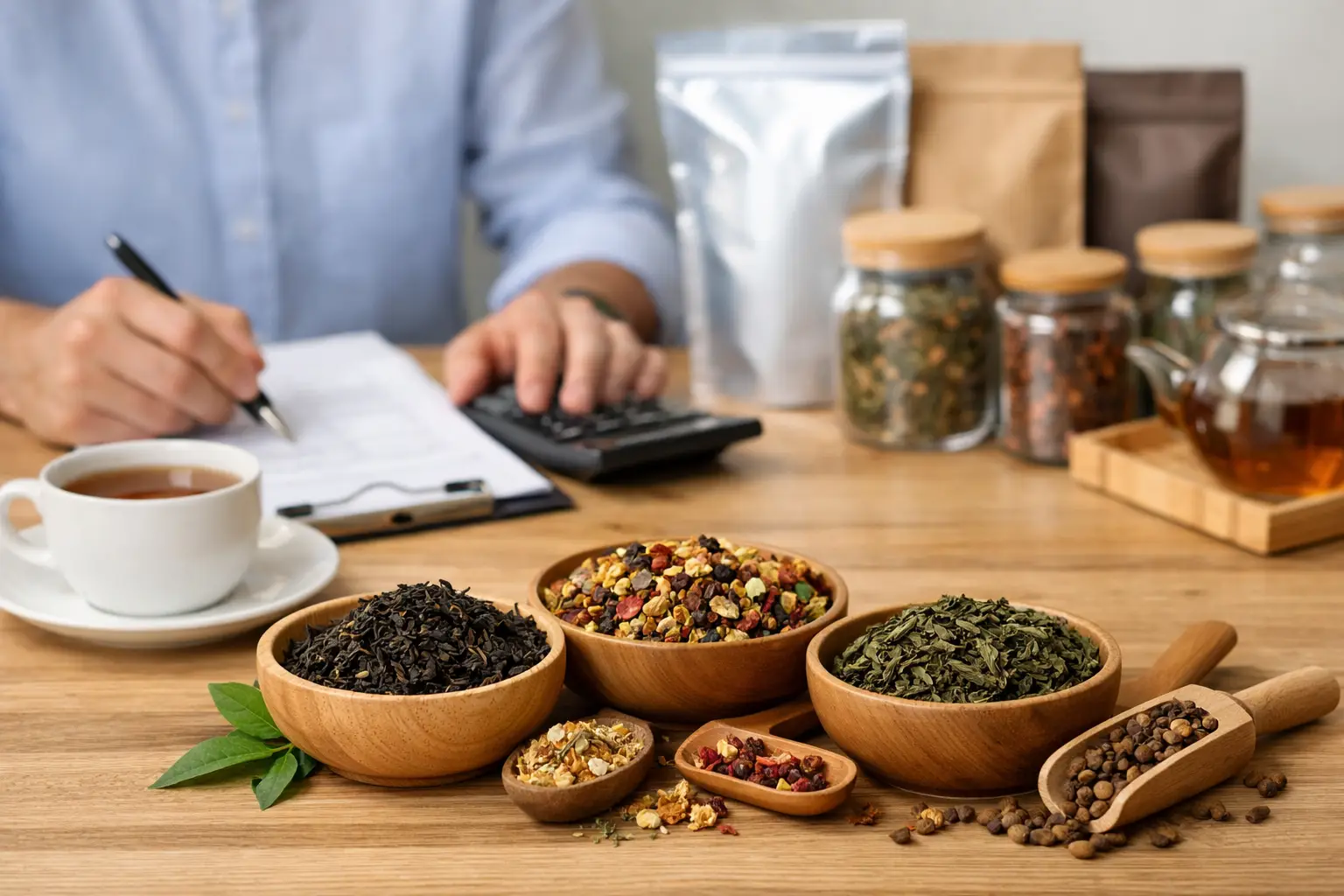
A tea menu can look simple on paper, then become surprisingly expensive once shrinkage, stale stock, inconsistent brewing, and slow-moving flavors start showing up in real service. That is why learning how to buy tea wholesale is not just about getting a lower unit cost. It is about choosing tea that holds up in a real café, restaurant, office pantry, or retail shelf.
If you are buying for a business, the right wholesale tea decision sits at the intersection of taste, margin, storage, and consistency. A beautiful tea that is hard to brew, packed in the wrong format, or priced too tightly for your menu can create more problems than it solves. The better approach is to buy with a clear use case first, then compare suppliers and products against that reality.
How to buy tea wholesale for your business
Start with what you are actually serving. A grab-and-go café has different needs than a dessert shop, hotel breakfast station, premium gift retailer, or specialty beverage bar. Some businesses need easy teabag execution with minimal staff training. Others benefit from loose-leaf teas that create a more premium perception and stronger average ticket.
This is where many first-time buyers go wrong. They shop by flavor names or origin stories before defining service format. In practice, your tea program needs to answer a few straightforward questions. Will customers drink it hot, iced, or both? Is tea a core category or a supporting option? Do you need single-origin credibility, organic positioning, or simply dependable, crowd-pleasing blends at a strong landed cost?
Once those answers are clear, your shortlist gets much tighter.
Choose the right tea format first
Tea format affects labor, consistency, waste, and customer perception. Loose-leaf tea often gives you more control over flavor and a stronger specialty image, but it also asks more from staff and workflow. If your team is already stretched during rush hours, that extra handling can hurt speed and consistency.
Teabags or sachets are easier to execute, easier to portion, and often better for self-service or lower-training environments. The trade-off is that premium customers may perceive them as less artisanal unless the quality is clearly high and the presentation is strong. For many operators, the best answer is not either-or. It is a mixed menu: premium loose-leaf for signature offerings and high-quality teabags for volume service.
Powdered tea products like matcha, hojicha, or chai blends are a separate category altogether. They work well for lattes, blended drinks, and dessert applications, but they should be evaluated more like beverage ingredients than traditional steeped teas. Solubility, sweetness, recipe tolerance, and consistency matter just as much as flavor.
Decide what belongs on the menu
A wholesale order should support demand, not wishful thinking. Most businesses do better with a tight, deliberate lineup than with a long list of teas that barely move. A practical menu often includes one black tea, one green tea, one herbal option, and one specialty drink builder such as matcha or chai.
If your customer base is more adventurous, you can expand into oolong, floral blends, fruit infusions, or wellness-style teas. But range should follow sales signals. Slow-moving tea ties up cash and loses freshness over time, which quietly erodes margin.
It also helps to think beyond flavor. Some teas are better as standalone beverages, while others perform best as latte bases, iced tea foundations, or food-pairing items. A tea that tastes elegant on its own may disappear completely once milk or sweetener enters the cup.
What to look for in a wholesale tea supplier
When buyers compare suppliers, they often focus on the quoted price first. That matters, but reliability usually matters more over time. Tea is one of those categories where inconsistency shows up fast. One delayed shipment, one batch that brews weak, or one packaging issue can disrupt service and force you into emergency substitutions.
A dependable wholesale supplier should give you clarity on product type, pack size, lead time, and pricing structure. You should also be able to understand what makes one tea different from another without digging through vague descriptions. Strong suppliers help you buy faster because the catalog is organized around use cases, not just romantic language.
Look closely at freshness and storage information too. Tea is more stable than roasted coffee in some ways, but it is not immune to damage. Heat, moisture, light, and oxygen still affect quality. If packaging is weak or turnover is unclear, your product may arrive with less life than expected.
For businesses in Malaysia and Singapore, local or regionally efficient supply can be a real operational advantage. Lower shipping friction, faster replenishment, and easier communication often outweigh a slightly cheaper headline price from a distant source.
Ask better questions before you commit
Before placing a larger order, ask how the tea is packed, what minimums apply, how often stock is replenished, and whether samples are available. If you are buying for foodservice, ask how the tea performs in volume brewing and whether brewing guidance is provided.
If you are buying for resale, packaging and labeling become more important. Shelf presentation, unit size, and perceived value affect sell-through. A great tea in awkward retail packaging can sit longer than a simpler product that communicates clearly.
Price matters, but cost per cup matters more
A cheaper tea is not always a cheaper tea. If a low-cost product requires more grams per serving, produces inconsistent extraction, or leads to more customer complaints, its real cost rises quickly. The better comparison is cost per cup against customer satisfaction and menu pricing.
This is especially true for specialty beverage businesses. If you can charge a premium for a tea latte, iced matcha, or premium pot service, ingredient cost should be measured against finished drink margin, not just bag price. Sometimes the more expensive tea is the better commercial choice because it supports stronger pricing and repeat orders.
On the other hand, not every menu slot needs a top-tier product. A breakfast black tea in a high-volume setting may benefit more from consistency and value than from rarefied tasting notes. This is where a balanced supplier mix helps. You want access to both everyday performers and premium options.
Sample before you scale
If you are serious about how to buy tea wholesale well, sampling is not optional. Tea can look excellent on a spec sheet and still fail in service. Brew every candidate the way your staff will actually prepare it, not just the ideal method printed on the pack.
Taste it plain, then test it in the formats you plan to sell. Add milk if it is meant for lattes. Chill it if it is going into iced service. Hold it for a reasonable amount of time if you batch brew. Some teas collapse once diluted, while others become more expressive.
Bring operations into the evaluation too. A tea that tastes great but slows down your bar or confuses new staff may not be the right fit. The winning product is the one that balances quality, speed, and consistency under real conditions.
Watch for hidden friction
The practical details often decide whether a tea program works. Does the scoop size make sense? Does the packaging reseal properly? Can staff identify products quickly during a rush? Can you store the case pack without crowding other ingredients?
None of that sounds glamorous, but those details affect waste, labor, and reorder accuracy. Wholesale buying is not only about sourcing a good product. It is about sourcing a product that behaves well in your business.
Build a tea order around turnover
The smartest tea buyers do not just ask what they want to sell. They ask how quickly they can sell it. Fast turnover protects freshness and cash flow. It also gives you cleaner data on what deserves to stay on the menu.
Start with conservative volumes unless demand is already proven. It is usually better to reorder a successful tea than to force movement on an oversized first purchase. This matters even more for seasonal flavors or trend-driven items.
As your program grows, track which teas work by daypart and drink style. You may find that one green tea barely moves hot but sells strongly as a citrus iced tea. That kind of insight helps you buy with more precision and reduce dead stock.
For operators who want range without unnecessary complexity, working with a curated beverage supplier can simplify the process. Auresso, for example, sits in a useful category for buyers who want tea, matcha, chai, and café beverage ingredients from one source rather than managing several fragmented vendors.
A smarter way to buy tea wholesale
The best wholesale tea decisions are rarely about chasing the lowest quote or the most exotic tasting notes. They come from matching the product to your service model, training level, menu pricing, and reorder rhythm. When those pieces line up, tea becomes an easy category to run and a profitable one to grow.
Buy the tea your team can execute well, your customers will order again, and your business can replenish without stress. That is usually where the strongest margins live.