

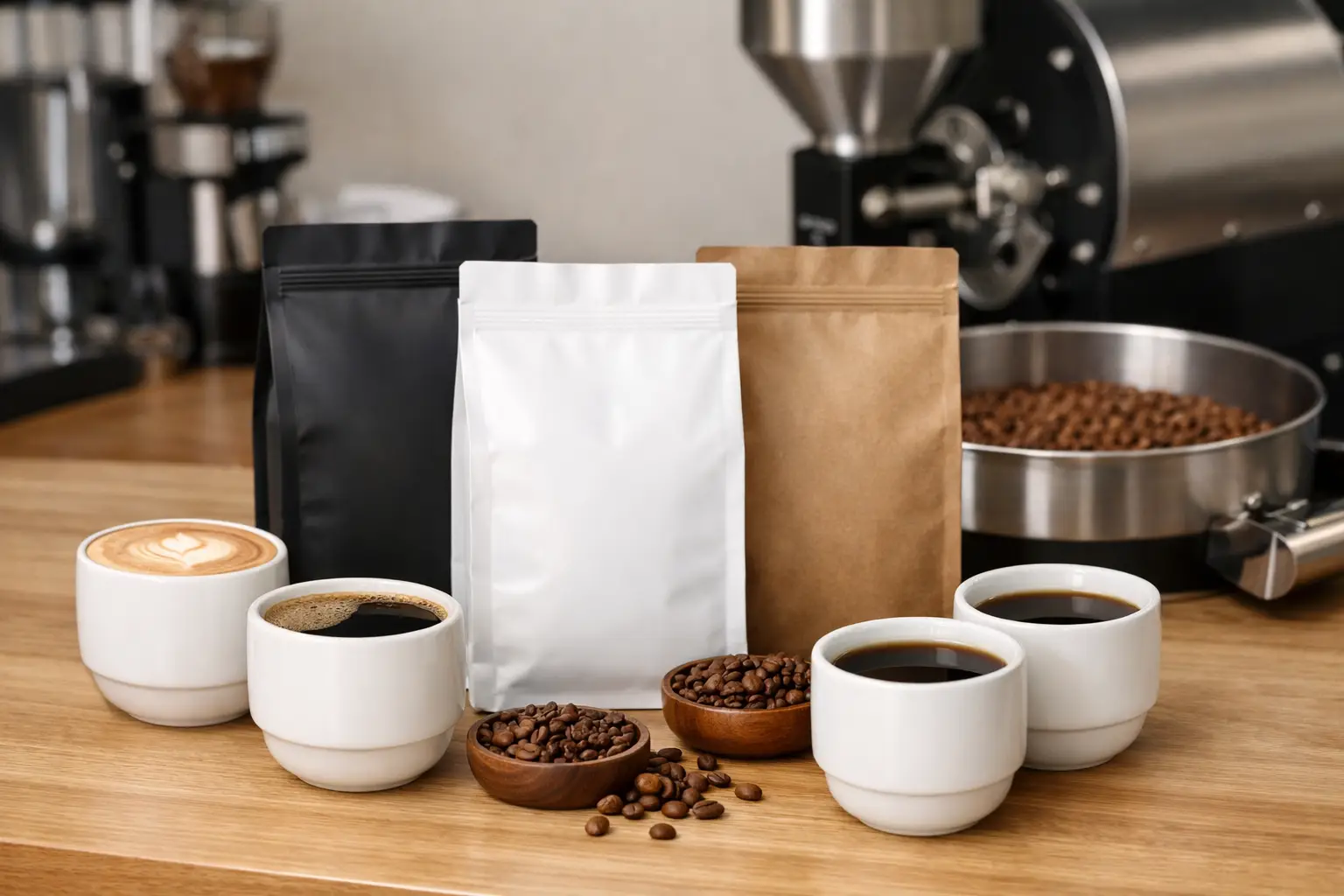
A bag that looks premium tells you almost nothing about how it will taste in the cup. If you want to know how to compare coffee roasters in a way that actually helps you buy better beans, you need to look past packaging and ask a more useful question: which roaster can deliver the flavor, consistency, and value you need for your setup?
That answer changes depending on who you are. A home brewer might care most about freshness, brew guidance, and manageable pack sizes. A café or restaurant buyer usually needs consistency across orders, dependable stock, pricing discipline, and support when dialing in espresso. The best way to compare roasters is to judge them against your real buying criteria, not just their marketing.
How to compare coffee roasters by what matters most
Start with the cup, but do not stop there. Great roasters are not only good at sourcing and roasting. They are also good at communicating what they sell, maintaining quality over time, and matching their products to different brewing needs.
A useful comparison usually comes down to six areas: bean quality, roast approach, freshness, consistency, range, and commercial reliability. If one roaster scores highly in flavor but struggles with stock stability or roast variation, that matters. The right choice is not always the most famous roaster. It is the one that performs well for your use case.
1. Look at sourcing, not just origin labels
Many coffee bags mention countries, regions, or processing methods, but the level of detail tells you a lot. A serious roaster usually gives enough information for you to understand what you are buying. That might include farm or cooperative name, altitude, variety, process, and tasting notes that feel specific rather than generic.
Origin alone is not proof of quality. Two Ethiopian coffees can taste completely different depending on processing, roast development, and green coffee quality. What you want is evidence that the roaster is curating intentionally, not filling a lineup with vague labels and broad claims.
For business buyers, this matters even more. If your menu depends on a house espresso with a clear flavor profile, you need a roaster that can explain why a coffee tastes the way it does and what may change seasonally.
2. Compare roast style, not roast color alone
People often reduce roasting to light, medium, and dark. That is useful to a point, but it is not enough. Two medium roasts can perform very differently in espresso or filter because roast style is about development, solubility, sweetness, and how the roaster chooses to express the coffee.
A good comparison asks whether the roaster has a clear point of view. Do they favor bright, high-acidity coffees for filter brewing? Do they build espresso blends for chocolate, nuts, and body? Do their darker roasts still taste clean, or do they lean heavily smoky? Consistency in style is often a sign that the roasting team knows what they are trying to achieve.
This is where trade-offs matter. A roaster known for expressive light roasts may be excellent for pour-over enthusiasts but less practical for a café serving milk-based drinks all day. On the other hand, a roaster focused on crowd-pleasing espresso blends may be perfect for service volume but less exciting for customers chasing unusual single origins.
Compare freshness with realism
Freshness is essential, but newer is not always better. Coffee needs a short resting period after roasting, especially for espresso, where excessive gas can make extraction unstable. When you compare coffee roasters, check whether roast dates are clearly shown and whether the roaster gives guidance on ideal use windows.
Transparency matters here. A dependable roaster is usually clear about when coffee was roasted, how it should be stored, and when it tends to taste best. If that information is missing, you are forced to guess.
For home users, buying smaller quantities more often can improve results. For wholesale buyers, the question becomes whether the supplier can keep stock moving without sending coffee that is either too fresh to dial in easily or too old to perform at its best. Fast shipment and predictable fulfillment are part of the freshness equation, not separate from it.
3. Test consistency across more than one bag
One excellent bag does not automatically make a great roaster. Consistency is what separates a lucky purchase from a reliable supplier.
If you can, buy the same coffee more than once or sample multiple coffees from the same roaster. You are looking for stable roast development, believable tasting notes, and a clear quality standard across the range. Does the espresso blend taste balanced from bag to bag? Does the filter lineup show the same level of care as the flagship products? These patterns reveal much more than a single first impression.
For cafés and foodservice operators, consistency affects labor and waste. If baristas need to constantly rework grind settings because roast behavior swings too much, that costs time and product. A roaster that is slightly less flashy but much more stable can be the smarter commercial choice.
4. Review the range with your menu in mind
A broad catalog is useful only if it is curated well. Some roasters are excellent specialists with a narrow focus. Others are better partners because they cover multiple needs – approachable espresso blends, seasonal single origins, decaf, and coffees suited for both black and milk-based drinks.
This is where your own needs should guide the comparison. A home brewer may want variety and discovery. A hotel, office pantry, or casual café may need dependable coffees that please a wider audience. Neither is better. They are just different buying situations.
If you are sourcing for a business, think one step beyond the bean itself. Can the supplier support the rest of the beverage program too? For many operators, working with a partner that understands coffee, tea, chocolate, chai, and equipment can simplify purchasing and reduce friction across the menu.
How to compare coffee roasters on price without oversimplifying it
Price matters, but cheap coffee is expensive if it performs poorly. A more useful comparison looks at value per cup, extraction behavior, waste, and customer acceptance.
A lower-priced coffee that tastes flat or inconsistent can create hidden costs. You may need to use more coffee to get acceptable strength. Staff may spend longer dialing it in. Customers may order it once and not return for another. On the other hand, the most expensive roaster is not automatically the best fit either, especially if the flavor profile is too niche for your audience.
Compare pricing against what is actually included: freshness, quality control, roast clarity, support, and availability. For wholesale buyers, ask whether pricing is stable enough for menu planning. For retail buyers, look at pack size and whether the quality justifies the premium.
5. Pay attention to support and buying experience
This part gets overlooked until something goes wrong. A strong roaster or supply partner should make buying easier, not harder.
For home users, that may mean clear product descriptions, customer reviews, ratings, and enough guidance to choose between beans for espresso, French press, or pour-over. For businesses, support becomes more operational. Can you get timely answers? Is stock information clear? Are lead times realistic? Is the product range organized in a way that helps you buy quickly and accurately?
This is one reason curated suppliers can be valuable. Instead of chasing multiple fragmented sources, buyers can compare roasters in one place, see which coffees are best sellers, and make faster decisions with more confidence.
A practical tasting method for comparing roasters
If you want a fair comparison, keep your method consistent. Brew coffees close together using the same ratio, water, and equipment. Take notes on aroma, sweetness, acidity, body, finish, and how easy each coffee is to extract.
Do not focus only on the first sip. Some coffees impress early with sharp fruit notes but feel thin as they cool. Others seem simple at first and then show more sweetness and balance over time. For espresso, test both straight shots and milk drinks if that is how you actually serve them.
The best roaster for you is often the one that performs well under your normal conditions, not under ideal lab-style tasting conditions. A forgiving coffee that tastes great in a busy café can be more valuable than a highly delicate one that only shines with perfect technique.
6. Know when local access is an advantage
If you are buying in Malaysia or Singapore, access to both local and imported roasters can be a real advantage. It gives you more options without automatically forcing you into high international shipping costs or long restock times. For many buyers, that balance of quality, variety, and practical fulfillment matters just as much as the name on the bag.
Auresso’s model reflects that reality well by bringing together multiple roasters, beverage categories, and equipment in one place, which helps both home brewers and trade buyers compare more efficiently.
The smartest coffee buyers do not chase hype. They compare roasters based on repeatable quality, fit for purpose, and how reliably those beans can show up and perform. Start there, and your next bag has a much better chance of earning its place in the grinder.