

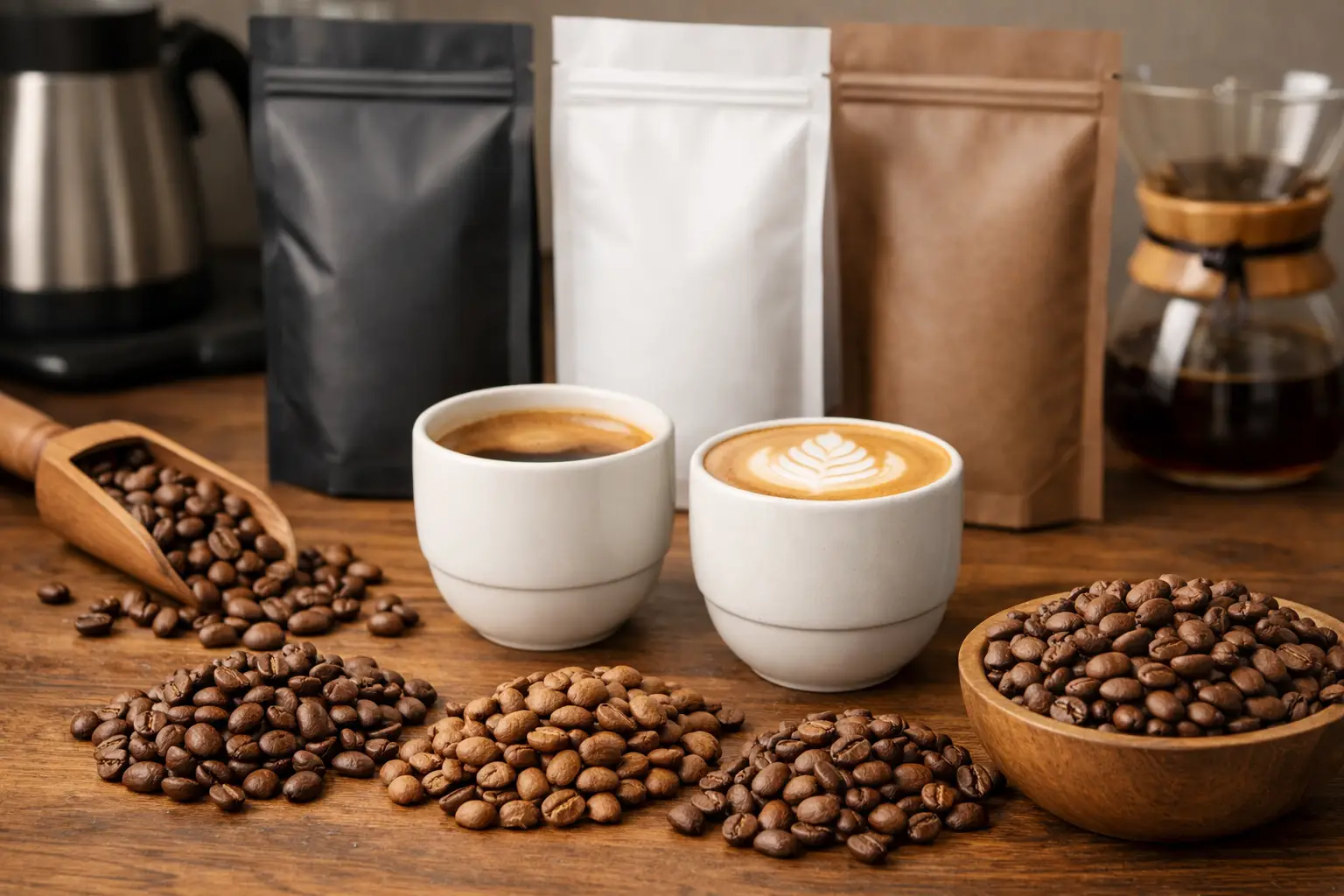
The difference between a disappointing cup and one you want to repeat tomorrow usually comes down to the beans. If you are searching for the best coffee beans Malaysia has to offer, the real question is not which bag looks most premium. It is which beans match your taste, your brew method, and the level of consistency you need at home or in a busy beverage business.
That matters because coffee beans are not one-size-fits-all. A fruit-forward Ethiopian that tastes brilliant as a filter brew may feel too sharp in milk. A dark, chocolate-heavy blend that works beautifully for café-style lattes may taste flat if you expect floral complexity. Good buying starts with knowing what you are actually trying to brew.
What best coffee beans Malaysia buyers should look for
The best beans are not always the most expensive beans. They are the ones that are fresh, well-roasted, properly packed, and suited to your equipment and menu.
Freshness is the first filter. Roasted coffee is at its best within a practical window after roasting, but that does not mean the newest bag is always ideal the same day it arrives. Many beans benefit from a short resting period after roast, especially for espresso, where too-fresh coffee can produce uneven extraction and excess crema. For most buyers, the key is simple: check for a roast date, not just an expiry date.
Roast level is the next big factor. Light roasts tend to preserve more origin character. You may notice citrus, berries, florals, or tea-like notes depending on the coffee. Medium roasts often strike the most flexible balance, with sweetness, body, and clarity that work across black coffee and milk drinks. Dark roasts lean more into chocolate, roasted nuts, spice, and bitterness. They can be dependable in espresso-based beverages, but if pushed too far, they can mask quality and taste smoky.
Origin also shapes the cup, but it should not be treated like a shortcut. Not every Colombian coffee tastes the same, and not every Brazilian bean is nutty and low-acid. Still, origins can give you a useful starting point. Washed East African coffees often appeal to filter drinkers who want brightness and aromatics. Brazilian or regional blends often suit espresso drinkers who want body, crema, and cocoa-like sweetness. For many businesses, blends are not a compromise. They are often the most reliable way to maintain a consistent flavor profile.
Single origin or blend?
This is where buying goals matter. Home brewers often enjoy single origins because they make the differences between farms, regions, and processing methods easier to taste. If you brew V60, Kalita, Chemex, or batch filter and you like experimenting, single origins can be rewarding.
For espresso, the answer depends on what you serve. If you drink straight shots and want distinct character, a well-developed single origin can be exciting. If you mostly make flat whites, cappuccinos, or iced lattes, a blend is often the smarter choice. Blends are usually built for balance – enough sweetness to carry milk, enough body to feel satisfying, and enough structure to stay consistent over time.
For cafés and foodservice operators, consistency usually wins. Customers come back expecting the same taste they had last week. That is why many commercial buyers prioritize blends with stable flavor performance, good extraction tolerance, and predictable behavior in grinders and espresso machines.
How to match beans to brew method
A lot of people buy coffee by tasting notes alone and then wonder why the cup misses the mark. Brew method changes everything.
For espresso, look for beans with enough solubility and structure to pull balanced shots. Medium to medium-dark roasts are often the easiest place to start. Beans described with chocolate, caramel, nuts, brown sugar, or stone fruit usually translate well. If the coffee is too light and dense, it may require tighter dialing-in, better grinder control, and more patience than many casual home users want.
For pour-over and drip coffee, you have more room to enjoy lighter roasts and more delicate coffees. Floral, citrus, berry, and tea-like notes can show up beautifully here when the roast is clean and the grind is consistent. If you brew immersion methods like French press, AeroPress, or Clever, medium roasts are often especially forgiving and versatile.
For cold brew, buyers usually do well with beans that emphasize chocolate, nuts, molasses, or low-acid sweetness. Very bright coffees can work, but they can also come across as sharp or thin once chilled.
Best coffee beans Malaysia options for home and business
If you are buying for home, flexibility matters more than hype. A versatile medium roast can cover espresso, milk drinks, and manual brewing with less waste and fewer bad cups while you fine-tune your recipe. If you are still figuring out your taste, start with approachable profiles rather than chasing the most unusual beans on the shelf.
If you are buying for a café or beverage program, think beyond the first sip. You need beans that taste good, but you also need supply reliability, batch consistency, clear roast information, and value that makes sense across your margin. A bean that tastes amazing for two weeks and then disappears from supply may be frustrating operationally. A dependable house blend with stable cost and broad customer appeal is often the stronger business decision.
This is also where curated suppliers make a difference. When a supplier carries both local and imported roasters, buyers get more room to choose between everyday workhorses and more limited coffees for seasonal menus. That balance is useful whether you are stocking a home setup or running a café that needs both signature consistency and occasional menu variety.
Price, quality, and what “premium” should really mean
Premium does not just mean rare origin or expensive packaging. It should mean the coffee has been selected, roasted, and handled with care, and that the cup quality justifies the spend.
There is always a trade-off between novelty and dependability. More exclusive beans can create excitement, especially for black coffee drinkers, but they can also be less forgiving and more costly to serve. More classic blends may not impress on a cupping table, yet they often perform better where speed, repeatability, and milk pairing matter most.
For budget-conscious buyers, value comes from cup outcome, not just price per bag. A slightly more expensive coffee that extracts consistently and reduces dial-in waste can be more economical than a cheaper coffee that burns time and product every morning.
Signs you are buying the right beans
You do not need to be a Q grader to tell when a coffee is working. The right beans should make brewing easier, not harder.
At home, that means you can get a sweet, balanced cup without fighting your grinder every day. In a café, it means baristas can dial in efficiently and the coffee still performs across the rush. You should also be able to taste a clear profile. Not necessarily loud or exotic, but intentional.
Packaging details help too. Roast date, tasting notes, origin or blend information, and brew suitability all make decision-making easier. Reviews can also be useful, especially when they mention repeat purchases, consistency, and how the beans perform in espresso or milk beverages.
A practical way to choose your next bag
Start with how you actually drink coffee. If most of your cups include milk, choose sweetness, body, and balance over extreme acidity. If you drink coffee black and enjoy detail, move toward lighter roasts or more expressive single origins. If you need one bag to do everything, a medium roast with chocolate, caramel, and fruit notes is usually the safest bet.
Then consider your setup. Entry-level grinders and automatic machines tend to perform better with more forgiving roast profiles. More advanced grinders and manual brew gear give you better control and let higher-acid or lighter coffees shine.
Finally, buy from a supplier that can support repeat decisions, not just one exciting purchase. That is especially important for businesses, but it helps home brewers too. A curated range, clear product information, and responsive guidance save time and lead to better cups. For buyers who want that mix of specialty credibility, practical choice, and dependable supply, Auresso fits naturally into the conversation.
The best coffee is not the bean with the fanciest label. It is the one you would confidently brew again for yourself, your guests, or your customers tomorrow morning.