

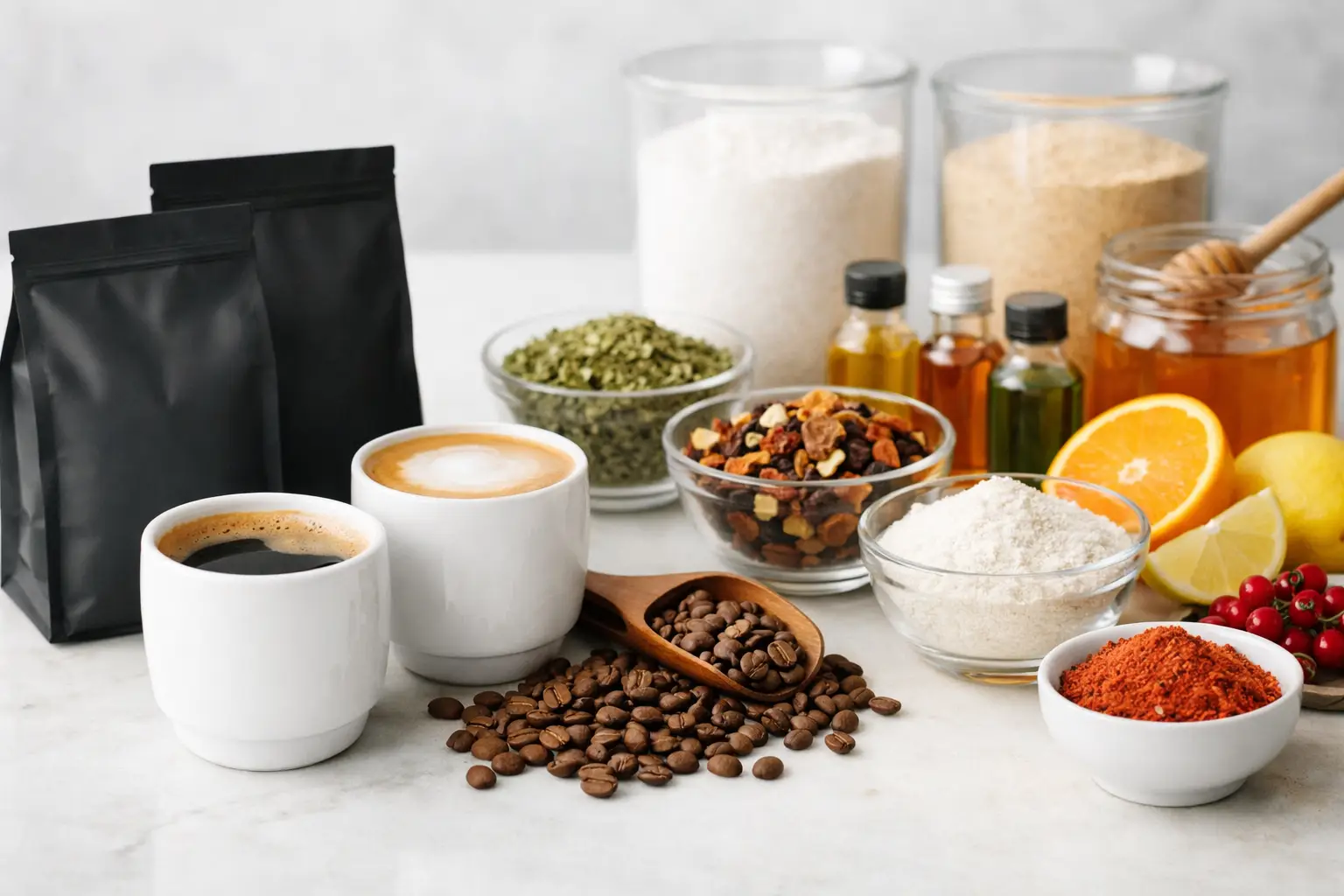
One late shipment of matcha, one inconsistent chai blend, or one coffee lot that tastes different from the last bag can throw off an entire beverage program. That is why finding the best wholesale beverage ingredients online is not really about filling a cart fast. It is about protecting drink quality, margins, and customer trust at the same time.
For cafés, restaurants, and growing beverage brands, online sourcing has become the practical way to buy. It gives you broader selection, clearer pricing, and faster reordering than the old model of juggling multiple reps and manual orders. But not every supplier is built for wholesale needs. Some look impressive on the surface and still create problems once you rely on them every week.
What the best wholesale beverage ingredients online should actually offer
The best suppliers do more than list products. They make buying easier for operators who need consistency, reasonable costs, and fewer surprises. That starts with a product range that reflects how real beverage programs work.
A café rarely needs just one thing. You may need espresso beans, drinking chocolate, chai powder, matcha, teas, syrups or flavoring ingredients, and even equipment support in the same ordering cycle. When a supplier carries only one category well, you end up splitting purchases across several vendors. That creates more freight costs, more stock planning, and more chances for something to go wrong.
A strong wholesale source should also show enough product detail to help you buy with confidence. Roast profile, flavor notes, ingredient format, pack size, preparation use, and whether an item is better for hot drinks, iced drinks, or blended beverages all matter. Wholesale buyers do not need marketing fluff. They need practical details that help them decide quickly.
Quality matters, but consistency matters more
Most operators already know they need good ingredients. The harder part is finding ingredients that stay dependable from order to order. A chocolate powder that tastes rich one month and flat the next is a bigger problem than a product that was merely average from the start. Customers notice inconsistency faster than they notice nuance.
This is especially true in coffee and tea. Roasted coffee can shift with crop changes, roast development, and freshness. Matcha can vary in color, aroma, and bitterness depending on grade and origin. Chai blends can swing too sweet or too spice-heavy if the formulation changes. The best online wholesale suppliers understand that repeatability is part of quality.
That does not mean every product should taste identical forever. Some seasonal coffees should change, and some specialty offerings are meant to rotate. But the supplier should be clear about what is stable, what is limited, and what can anchor a menu year-round. For a business, that distinction matters.
Price is important, but value is the real metric
Anyone can claim low prices. Wholesale buyers know the real calculation is cost per serving, waste risk, labor fit, and reorder reliability.
A cheaper chai powder is not cheaper if staff need extra steps to make it taste right. A lower-priced coffee is not better value if dialing it in takes too much time or if customer complaints increase. A bargain matcha is not a win if the color looks dull in lattes and hurts visual appeal on social media.
The best wholesale beverage ingredients online usually come from suppliers that balance price with curation. They do not try to be the cheapest on every SKU. They focus on products that can hold up in a commercial setting, move fast enough to stay fresh, and make sense for both premium and value-conscious menus.
That balance is especially useful for businesses that serve different customer segments. A neighborhood café may need a reliable house espresso, a stronger margin-friendly drinking chocolate, and a premium guest coffee at the same time. A one-size-fits-all catalog will not help much.
How to judge an online supplier before you commit
A supplier’s website tells you a lot if you know what to look for. First, check whether the product mix feels curated or random. A curated catalog usually signals that the supplier understands beverage service and is not just reselling whatever it can source.
Next, look at whether there is evidence of trust. Product ratings, customer feedback, best-seller signals, and clear stock visibility all help. They are not perfect measures, but they reduce guesswork. If a supplier consistently shows that buyers return for the same products, that is useful information.
Shipping and fulfillment matter just as much as the catalog. Fast shipment sounds like a basic promise, but in wholesale it directly affects operations. A supplier may have great products and still be risky if lead times are vague or stock availability is unpredictable. For operators in Malaysia and Singapore, this point becomes even more practical because access to imported roasters and specialty ingredients can otherwise involve long waits and expensive courier costs.
Customer support is another differentiator. Wholesale buyers often need guidance on substitution, pack sizes, or whether a product suits a specific menu. Responsive support saves time when you are choosing between two espresso profiles, testing a new hojicha latte, or replacing an out-of-stock tea line without changing your recipe too much.
Best wholesale beverage ingredients online for different menu needs
What counts as the best option depends on what you are serving. Coffee-led businesses should pay close attention to roast style, consistency, and the range between approachable blends and more distinctive specialty offerings. If your customers mostly order milk-based drinks, the right espresso may not be the most complex coffee on paper. It may be the one that stays balanced in a latte, performs reliably in volume, and keeps your bar team efficient.
For tea and non-coffee menus, ingredient versatility matters. Loose-leaf teas may suit premium dine-in service, while sachets or teabags can make more sense for speed and consistency. Matcha and hojicha powders should be chosen based on use case. Ceremonial-style products sound appealing, but café service often benefits more from stable culinary-grade powders designed to hold flavor and color in milk-based drinks.
Chocolate and chai deserve the same attention. These categories often carry strong margins, especially in cafés that serve families, students, and customers who are not coffee drinkers. A good drinking chocolate should dissolve well, taste full without becoming cloying, and work across hot and iced applications. A strong chai blend should offer enough spice character to stand out, but not so much that it becomes difficult for staff to work with consistently.
Why one-stop sourcing usually beats fragmented buying
There are cases where specialist vendors make sense. If you run a high-volume tea concept, you may want a very focused tea partner. If you build a coffee program around one roaster’s identity, that can also be the right call.
But for many cafés, bakeries, restaurants, and smaller F&B operations, buying from multiple niche vendors creates more friction than benefit. Separate invoices, minimum orders, delivery schedules, and contact points add operational drag. That is why many buyers prefer a supplier that combines coffee beans, café drink ingredients, and equipment access in one place.
This is where a company like Auresso fits naturally. The advantage is not only range. It is the practical ability to source roasted coffee, tea, matcha, chai, drinking chocolate, and equipment support from a supplier that understands how those categories work together in a real beverage business.
The trade-off between breadth and depth
There is one trade-off worth acknowledging. A broad supplier can make procurement easier, but only if the range is well selected. A giant catalog full of weak options is not helpful. On the other hand, a tightly edited catalog can be efficient, but it may feel limiting if your menu changes often or if you like to test new products.
So the right choice depends on your business stage. Newer operators often benefit from a dependable core assortment with clear best sellers and expert guidance. More established beverage programs may want access to rotating coffees, niche origins, and specialty additions that help them keep the menu fresh.
The best online wholesale partner should support both needs. You want staple products for daily operations and enough depth to create interest when you need it.
Choosing the best wholesale beverage ingredients online without overbuying
A common buying mistake is choosing wholesale products purely for ambition rather than actual demand. It is easy to overestimate how many single-origin coffees, premium teas, or specialty powders your customers will order.
A better approach is to build from your base. Start with products that cover the majority of your menu and move quickly. Then layer in one or two premium or seasonal options that create differentiation. This protects cash flow, reduces dead stock, and keeps your menu easier to execute.
Online wholesale buying works best when the supplier helps you make those calls clearly. Strong category structure, sensible pack sizes, and visible product popularity all make it easier to choose products that fit your business instead of just looking interesting on a screen.
The best supplier is usually not the one with the loudest claims. It is the one that helps you serve better drinks, reorder with less stress, and stay consistent when business gets busy. If an online source can do that, it is not just convenient. It becomes part of how you grow.