

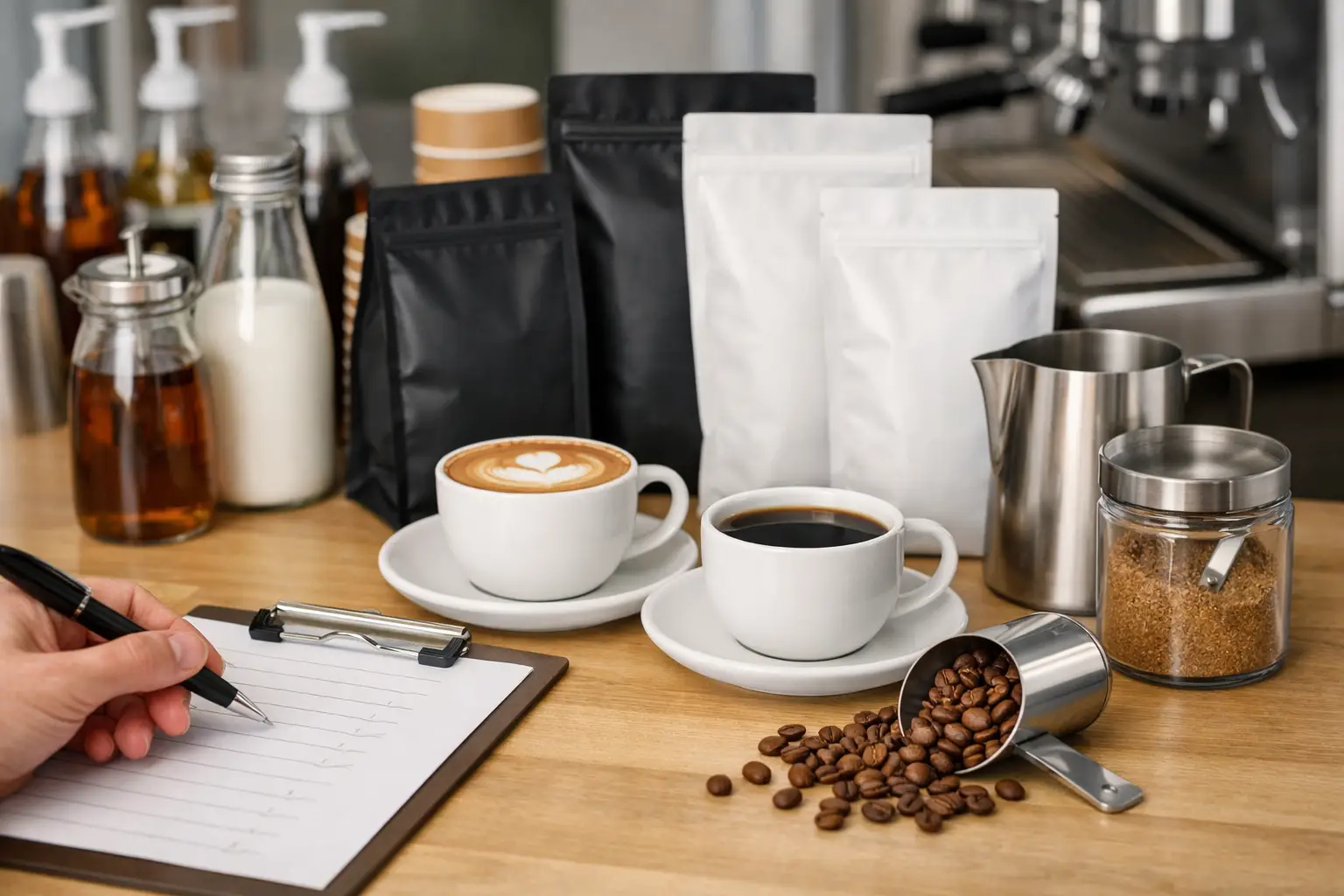
Running out of oat milk during the morning rush is annoying. Running out of espresso beans, cups, lids, and chocolate powder in the same week is a systems problem. A strong cafe beverage supply checklist helps you catch issues before they hit service, margins, and customer trust.
For most cafes, beverage supply problems are not caused by one bad order. They usually come from inconsistent par levels, too many one-off SKUs, poor forecasting, or buying from too many places at once. The fix is not a longer shopping list. It is a checklist built around how your menu actually sells, how fast ingredients move, and what your team needs to serve drinks consistently.
What a cafe beverage supply checklist should do
A useful checklist is more than inventory control. It should help you protect drink quality, maintain speed behind the bar, and reduce dead stock. If it only tells you what to reorder, it is incomplete.
The best checklists do three jobs at once. They track core beverage ingredients, they separate essentials from optional menu items, and they connect supply decisions to sales patterns. That matters because your espresso blend, fresh milk, matcha, chai, syrups, lids, and takeaway cups do not move at the same rate. Treating them the same creates waste in one category and shortages in another.
It also helps to think in layers. Every cafe has high-priority items that cannot go out of stock, supporting items that can be substituted in a pinch, and slow-moving specialty products that need tighter control. When owners skip that distinction, they often overbuy the exciting products and underbuy the boring ones that keep service running.
Build the checklist around your beverage menu
Start with your actual menu, not a supplier catalog. If a product does not support a drink you sell regularly, it should not automatically earn a place on your standing order.
Break your menu into beverage families: espresso-based drinks, brewed coffee, tea, chocolate, matcha, chai, iced beverages, and seasonal specials. Under each family, list every ingredient required to produce the drink exactly as served. This sounds basic, but it is where many ordering mistakes begin. A cafe may remember the coffee beans and milk, but forget the cocoa shaker, takeaway cold cups, dome lids, or frappe base needed to finish the drink properly.
This is also the point where trade-offs become clear. A broad menu can increase ticket size, but every extra beverage category adds inventory complexity. If your hojicha sells well only on weekends, stocking it aggressively through the week may not make sense. If one syrup serves three best-selling drinks, it deserves a different reorder priority than a flavor used in one niche item.
Core beverage categories to include
Your checklist should cover coffee beans first, because they anchor both quality and cost. Include espresso beans, filter beans if you offer brewed coffee, and any guest or rotating roasts. Record usage by bag size, average weekly movement, ideal reorder point, and backup stock level.
Next come tea and non-coffee powders. That includes loose-leaf tea, tea bags, matcha, hojicha, chai latte blends, and drinking chocolate. These categories often get less attention than coffee, but they matter for margin and menu reach. In many cafes, tea and chocolate drinks quietly carry strong profit with less equipment strain.
Then add milk and milk alternatives. Whole milk may dominate volume, but skim, oat, soy, almond, or coconut can become service blockers if they are not tracked separately. Demand can shift quickly based on customer mix, promotions, and weather.
After that, list sweeteners, syrups, sauces, frappe or smoothie bases, whipped cream if applicable, and toppings. Finally, include all consumables tied to beverage service: hot cups, cold cups, lids, straws, cup sleeves, napkins, takeaway carriers, and stirrers. These are low-drama items until they disappear, then they become urgent.
The cafe beverage supply checklist in practice
A practical cafe beverage supply checklist works best when each item includes the same few data points. Keep the format simple enough that your team will actually use it during opening, closing, or weekly ordering.
For each item, track the product name, supplier, pack size, average weekly usage, current stock on hand, reorder point, ideal order quantity, lead time, and any approved substitute. That last field is underrated. If your standard oat milk is unavailable, your team should already know what can replace it without a panic decision.
You should also mark whether an item is critical, standard, or seasonal. Critical items are the ones that directly affect your best-selling drinks and should almost never be allowed to run low. Standard items matter but may allow substitutions. Seasonal items need closer controls because they tend to be overbought when excitement is high and demand is still unproven.
If you run more than one outlet or prep area, assign storage locations on the checklist. A surprising amount of double-ordering happens because one person checks the front bar while another forgets there is unopened stock in back storage.
What owners often miss
The most common blind spot is not ingredients. It is prep-dependent stock. Chocolate powder may be available, but if your team pre-batches mocha sauce and the squeeze bottles are empty, service still slows down. The same goes for chai concentrate, tea sachets portioned for service, and backup grinder hoppers.
Another missed area is equipment-linked consumables. Water filters, cleaning powder, backflush detergent, milk system cleaner, and group head brushes are all part of beverage supply, even if they never appear on the menu. Skip them, and drink quality slips before anyone notices why.
Set par levels based on sales, not guesswork
Par levels should come from sales history, delivery frequency, and shelf life. If your espresso bean supplier can replenish quickly, you may not need to hold as much reserve stock. If imported tea or specialty powders have longer lead times, your safety stock should be higher.
Weather, holidays, and promotions matter too. Iced drinks spike cup and lid usage fast. School breaks, Ramadan bazaars, tourist periods, or office-heavy weekday traffic can shift beverage mix in ways that basic monthly averages miss. For operators in Malaysia and Singapore, humidity and heat also make cold beverage planning especially important for certain months and customer locations.
There is no universal perfect number. A compact city cafe with daily deliveries can run leaner than a suburban shop with less frequent supply access. The point is to review pars often enough that they reflect reality instead of old assumptions.
Choose fewer, better suppliers when possible
A fragmented supplier base creates hidden labor. Every extra vendor means another minimum order, delivery schedule, invoice trail, and communication channel. For a busy operator, convenience is not a luxury. It affects whether ordering gets done accurately and on time.
That does not mean buying everything from one place no matter what. Sometimes a niche roaster or specialty tea source is worth keeping. But where products overlap, consolidation can simplify purchasing and reduce mistakes. A supplier that covers beans, tea, drinking chocolate, matcha, chai, and equipment can remove a lot of friction from weekly ordering. That is one reason many cafe buyers prefer a one-stop sourcing setup from specialists such as Auresso rather than chasing small gaps across multiple vendors.
Review the checklist weekly and monthly
Weekly review keeps service safe. Monthly review keeps the business healthy. The weekly check is about stock on hand, upcoming demand, and urgent reorder needs. The monthly check is where you ask better questions.
Which beverages are slow but expensive to support? Which ingredients create too many near-expiry situations? Which brands or formats are improving margin without hurting taste? Is one cup size creating unnecessary SKU complexity? You do not need to slash menu variety blindly, but every item should earn its place.
This is also when you can compare ideal usage against actual usage. If milk waste is consistently high or syrup consumption does not match drink sales, something operational is off. It could be over-portioning, spoilage, unrecorded staff drinks, or inconsistent recipes.
Keep the checklist usable for the team
A perfect spreadsheet that nobody updates is worthless. The checklist should be clear enough for a shift lead to review in minutes and detailed enough for management to order confidently. Use plain product names, standard units, and a repeatable schedule.
It helps to assign ownership. One person can count, another can verify, and one final person can approve the order. Shared responsibility works best when each role is obvious. Otherwise, everyone assumes someone else handled it.
The strongest beverage programs usually do not look complicated from the customer side. Drinks arrive fast, taste right, and stay available. Behind that, there is usually a disciplined supply routine, a clean product mix, and a checklist that reflects the real menu instead of good intentions.
If your ordering still feels reactive, that is the signal to tighten the system. A better checklist will not just prevent stockouts. It will give you a calmer bar, cleaner purchasing decisions, and more room to focus on drinks people come back for.