

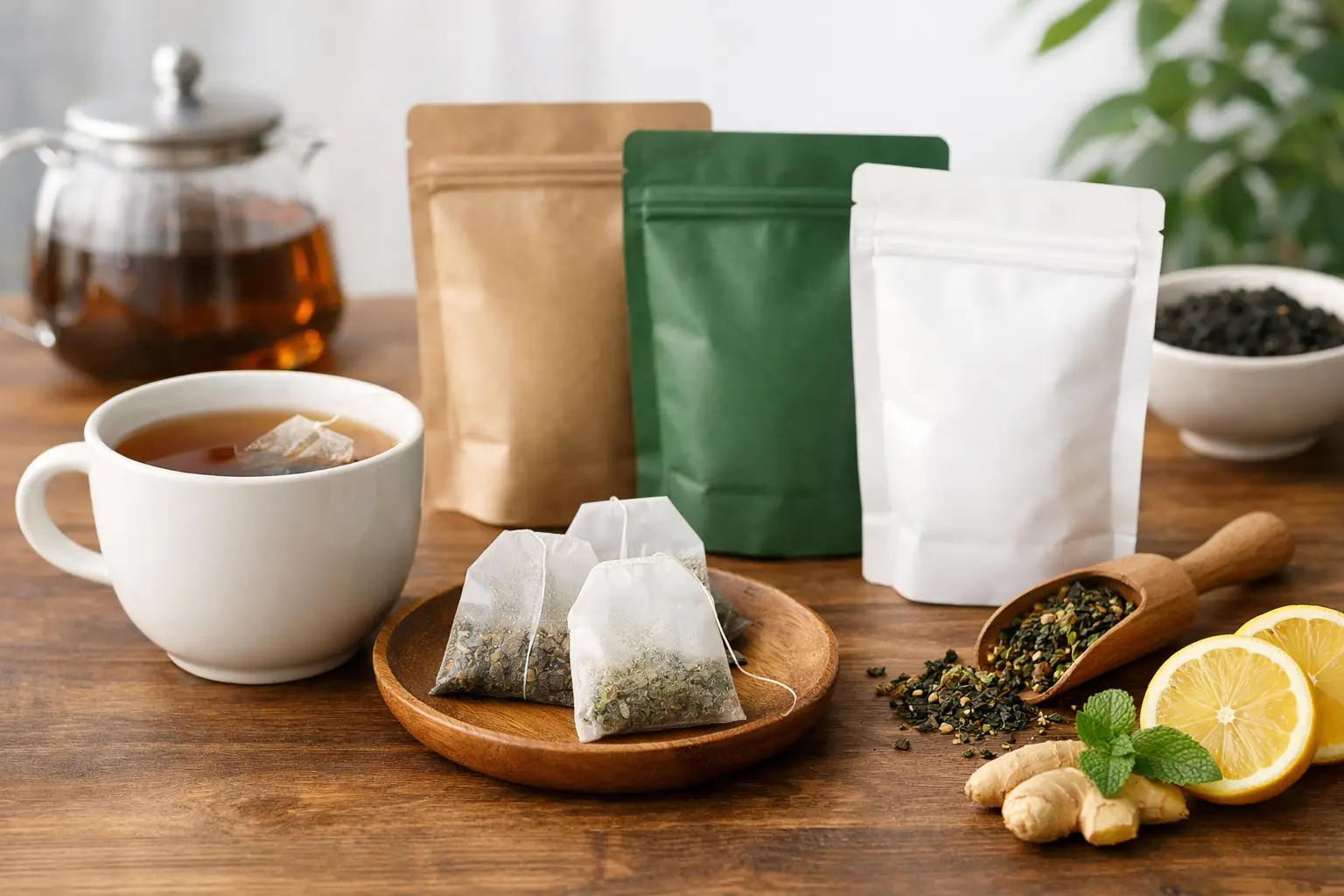
A tea bag can look like a small purchase until the cup tastes thin, overly perfumed, dusty, or inconsistent from one box to the next. Knowing how to choose tea bags means looking beyond the flavor printed on the carton. The tea inside, the cut of the leaf, the bag material, and the way the product will be served all affect the final brew.
For a home tea drinker, the right choice may be a dependable everyday black tea that steeps quickly before work. For a café or foodservice operator, it may be a tea range that is easy for staff to prepare, holds up in takeaway cups, and delivers the same result during every busy service. Start with the drinking occasion, then let quality and practicality narrow the options.
How to Choose Tea Bags by Tea Type
Tea type should be the first decision because it determines the cup’s body, caffeine level, aroma, and best serving style. Black tea is usually the most familiar option for a full-bodied morning cup. It works well with milk, lemon, honey, and many café-style tea programs because its flavor remains present after additions. English breakfast-style blends are a dependable choice when you need broad customer appeal.
Green tea tends to be lighter, more vegetal, and often lower in caffeine than black tea. It suits drinkers looking for a clean, refreshing cup, but it can turn bitter when brewed with boiling water or left too long. If you are buying for self-service areas, clear brewing instructions matter more with green tea than with forgiving black blends.
Herbal and fruit infusions are naturally caffeine-free unless blended with tea leaves. They are useful for evening drinking and for menus that need non-caffeinated choices. Peppermint, chamomile, ginger, and berry blends each serve a distinct preference, so avoid treating “herbal” as one flavor category. A calming chamomile tea and a sharp ginger infusion have very different audiences.
Oolong, white tea, and specialty blends can add range for customers who want something beyond standard tea service. They are not always the best first purchase for a high-volume operation, however. If staff training is limited or the menu needs to stay focused, build around a few reliable favorites before adding more nuanced selections.
Look at What Is Actually Inside the Bag
Not all tea bags contain the same grade or style of tea. Many standard bags use small leaf particles, often called fannings or dust, because they infuse quickly and create a strong color. This is not automatically poor quality. For a fast breakfast tea or milk tea, a finely cut blend can be practical and effective.
The trade-off is flavor complexity. Larger leaf pieces usually release more layered aroma and a cleaner finish, although they may need more space and a slightly longer steep. A visible whole-leaf or large-leaf blend can be a good fit for guests who drink tea plain and notice subtle differences. For an operation serving tea primarily with milk and sugar, consistency and strength may matter more than leaf appearance.
Read the ingredient list closely, especially with flavored teas. A simple tea should identify the tea type and any natural ingredients used for flavor. In fruit or dessert-style blends, check whether the profile comes from real herbs, spices, fruit pieces, natural flavors, or added sweeteners. There is no single right answer, but transparency helps you select a tea that matches your standards and customer expectations.
Be alert to artificial-tasting aromas. A tea can smell exciting when the wrapper is opened yet brew into a cup that feels flat or overly sweet. When possible, try a small box before committing to a large order. This is particularly worthwhile for café menus, where one disappointing flavored tea can sit unused for months.
Choose the Right Bag Material and Shape
The bag itself affects infusion. Traditional flat paper tea bags are compact, affordable, and easy to use. They are well suited to strong, finely cut teas designed for quick brewing. Their limitation is space: larger leaves and ingredients such as dried fruit or whole spices may not expand fully in a small flat bag.
Pyramid or roomy sachet-style tea bags give the leaves more room to move in water. This can improve extraction and make them a better choice for premium leaf teas. They also create a more elevated presentation for table service, hotel rooms, gift packs, and café counters.
Material matters as well. Look for clear information about whether bags are paper, plant-based mesh, nylon, or another material. Buyers concerned about plastic use may prefer plastic-free or compostable options, but verify the claim rather than relying on a green-looking package. “Biodegradable” and “compostable” do not always mean the same thing, and some compostable materials require commercial facilities.
For a business, consider the complete service experience. A string and tag are convenient for guests and make it easy to remove the bag at the desired strength. Individually wrapped bags protect freshness and are more hygienic for front-of-house displays. They also add packaging cost and waste. A bulk foodservice pack can offer better value where staff prepares every cup to order.
Freshness Is a Quality Factor, Not a Bonus
Tea is more stable than roasted coffee, but it does not stay at its best forever. Aroma fades over time, especially in green teas, delicate white teas, mint, and citrus blends. Heat, humidity, air, and light all speed that decline.
Choose tea bags in packaging that protects the product from those conditions. Foil wrapping, sealed inner pouches, and opaque cartons are useful signs, particularly for fragrant blends. Check best-before dates and buy quantities that match realistic usage. A low unit price is not a saving if half the case loses its character in storage.
Store tea in a cool, dry cupboard away from coffee beans, spices, cleaning products, and direct sunlight. Tea absorbs surrounding odors easily. For cafés and restaurants, keep open service boxes away from steam stations and dish areas, where heat and moisture can quickly compromise the product.
Match the Tea Bags to the Way They Will Be Served
The best tea bag for a porcelain pot is not necessarily the best one for a 16-ounce takeaway cup. Before purchasing, think through the preparation method. Does the tea need to brew in a small cup, a large mug, a pot for sharing, or a dispenser for volume service? A single standard bag may taste weak in a large cup unless the blend is designed for it or staff uses two bags.
Milk service also changes the equation. Bold black teas and masala chai-style tea bags can stand up to dairy or plant-based milk. Delicate green, white, and floral teas are generally better served without heavy additions. If customers regularly request honey, lemon, or milk, select blends that stay balanced rather than disappearing beneath them.
For a compact but useful tea offering, cover distinct occasions instead of stocking several similar black teas. A strong black tea, a green tea, a caffeine-free herbal option, and a lively fruit or mint blend will satisfy most everyday requests. Larger menus can add specialty choices once demand is clear.
Auresso’s broader beverage assortment can be useful for operators building a menu around tea, coffee, chai, matcha, and drinking chocolate rather than sourcing each category separately. The practical goal is not the largest possible selection. It is a range that staff can prepare confidently and customers will reorder.
Evaluate Value Per Cup, Not Just Per Box
A cheaper box can cost more in the long run when the tea needs two bags per serving, produces inconsistent strength, or prompts frequent customer complaints. Compare the number of bags, recommended serving size, bag weight, and expected yield. Then consider whether the flavor performs in the cup size and serving format you actually use.
For home use, premium tea bags may be worth the difference when tea is a daily ritual and you drink it without milk or sugar. For high-volume service, a reliable mid-priced blend may be the stronger business decision if it brews quickly, meets guest expectations, and is consistently available.
Order a manageable quantity first, brew it as customers will drink it, and record the results. Test it black, with milk, and in the intended cup size. Ask staff which bags are easiest to handle during a rush. That short trial reveals more than a package description ever can.
Choose tea bags that make the next cup easy to get right. When the flavor is clear, the packaging suits the service, and the price makes sense per serving, tea becomes a dependable part of the daily routine rather than another item to troubleshoot.