

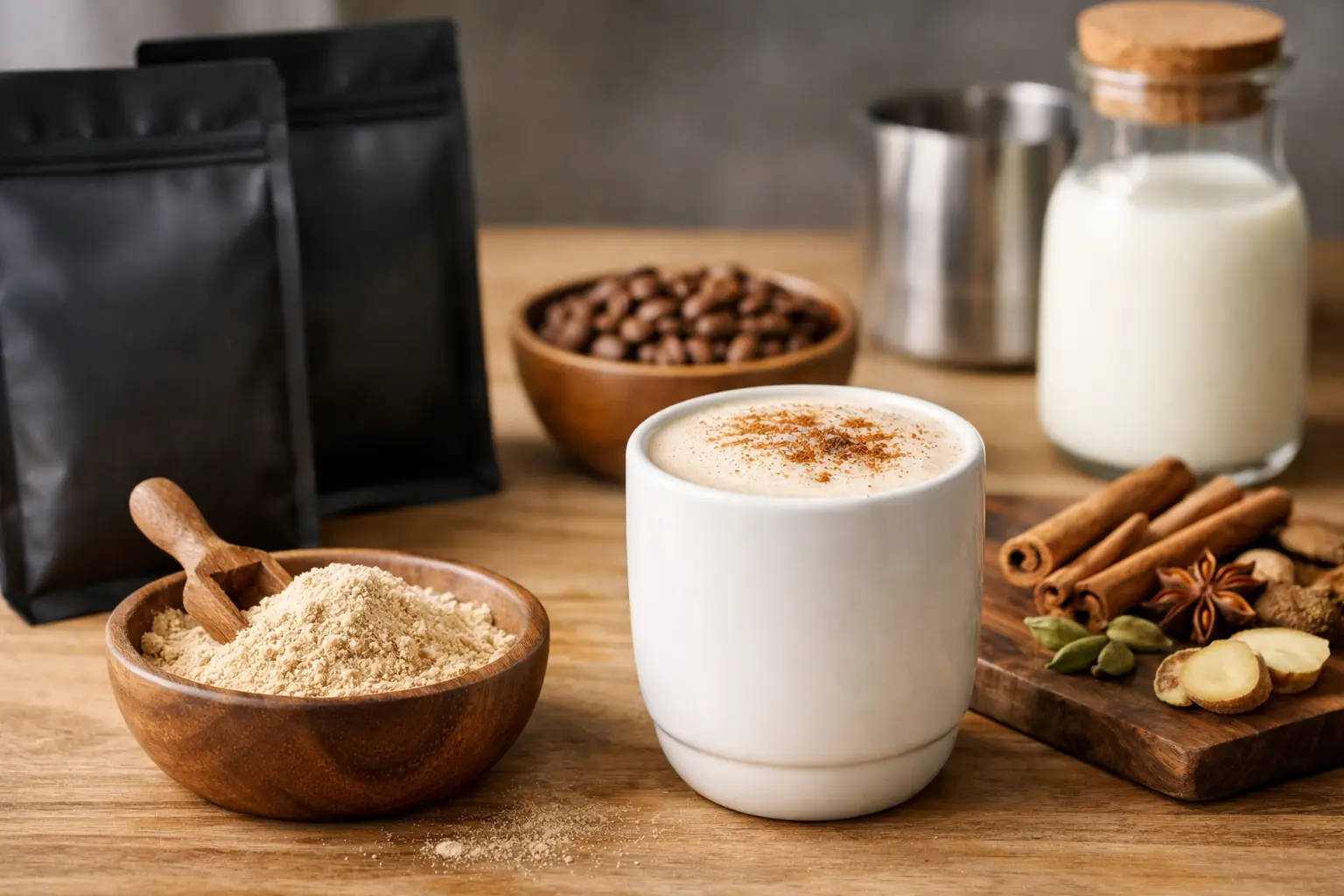
A good chai should smell like warm spice before the first sip, not taste like an overly sweet milk drink with a little cinnamon added afterward. That is why choosing chai latte powder malaysia buyers can trust is about more than finding the lowest price per bag. The blend needs to deliver a recognizable chai character, dissolve cleanly, work with your preferred milk, and stay consistent from one cup to the next.
For a home drinker, that means an easy café-style treat without a long ingredient list. For a café or restaurant, it means a drink that baristas can make quickly during a busy service while customers receive the same flavor every time. The right powder earns its place on the menu because it is both enjoyable and operationally practical.
What Defines a Good Chai Latte Powder?
Chai has its roots in spiced tea, so spice balance should lead the experience. Cardamom, cinnamon, ginger, clove, and black pepper are common notes, although the proportions differ widely between blends. Some are soft, creamy, and cinnamon-forward. Others have more ginger warmth, peppery lift, or a deeper black tea finish.
There is no single best flavor profile. It depends on your customers and how you plan to serve it. A mild, sweet blend can be approachable for first-time chai drinkers and works well in iced drinks. A spicier blend may appeal more to regular tea drinkers who expect complexity and a more pronounced finish. Before committing to a larger quantity, make a test cup using the same milk, cup size, and serving method you use every day.
Sweetness deserves just as much attention as spice. Many chai latte powders are designed as complete mixes, with sweetener and milk solids already included. This makes preparation fast and helps control portions. The trade-off is less flexibility for customers who prefer a less sweet drink or who use plant-based milk. A more spice-forward, lower-sugar powder gives you room to adjust sweetness, but it may add an extra step at the bar.
Texture matters, too. A quality powder should disperse readily in hot water or milk without leaving dry pockets, gritty sediment, or a thick, chalky finish. This is especially important for iced chai, where poorly mixed powder can settle at the bottom of the cup.
Choosing Chai Latte Powder Malaysia Businesses Can Serve Consistently
For foodservice buyers, the best blend is not always the one with the boldest first taste. It is the one that performs reliably across staff, shifts, and drink formats. Consistency protects your menu reputation and helps you manage ingredient costs.
Start with the preparation ratio. Check how many grams of powder are needed per serving and calculate the true cost per cup, not just the price of the package. A lower-priced powder may require a heavier dose to achieve flavor, while a premium blend can provide better value if a smaller scoop delivers a fuller result.
Also consider the base liquid. Some powders are formulated to taste rich with hot water alone, while others show their best character with steamed dairy milk. If your menu relies heavily on oat, soy, or almond milk, test each option carefully. Oat milk can amplify sweetness and body, while soy can change the perception of spice. A blend that tastes balanced in whole milk may need a different recipe with plant-based alternatives.
For cafés, standardization is key. Use a fixed scoop, a defined powder weight, and a written recipe for every barista. A common starting point is to combine the powder with a small amount of hot water first, stir into a smooth paste, then add steamed milk. This prevents clumping and helps the spices distribute evenly. If your chosen blend is designed for direct mixing, follow the supplier’s recommended method, but still test it during a busy period when speed matters most.
Reliable stock availability is another practical factor. Chai can become a strong non-coffee seller, particularly for customers seeking a warm alternative to espresso drinks. If it becomes a regular menu item, source from a supplier that can support repeat ordering rather than treating it as a one-off seasonal purchase.
Match the Blend to the Drink You Want to Sell
A chai powder can do more than produce one hot latte. The right blend creates a useful menu building block, provided its flavor remains clear across recipes.
Hot chai latte
This is the benchmark drink. The spices should remain present after milk is added, and the finished cup should feel rounded rather than overly heavy. Serve it in a smaller size if the blend is naturally sweet, or offer a larger format when the recipe has a lighter, tea-led profile.
Iced chai latte
Iced chai is often where a powder’s mixing performance becomes obvious. Dissolve it completely with hot water before adding ice and cold milk. A stronger initial concentrate usually works better because melting ice will soften both sweetness and spice. For a more premium presentation, a light dusting of cinnamon can add aroma, though the base drink should stand on its own without garnish.
Dirty chai
A dirty chai combines chai latte with espresso. It is an excellent bridge drink for coffee customers who want something spiced and comforting but still want caffeine and roast character. Choose a coffee with enough body to hold its own, but avoid an espresso that is so sharp or intensely dark that it buries the spice blend. Chocolatey, nutty, or caramel-toned espresso profiles often pair well.
Chai frappes and blended drinks
Blended chai drinks can be commercially attractive in warm weather, but they need enough spice concentration to cut through ice. Test your recipe with your actual blender and serving cup. If the drink becomes flat, increasing powder alone may make it too sweet. A smaller amount of hot-water concentrate or a compatible spice syrup may be a better adjustment.
Read the Label Like a Buyer, Not Just a Customer
A product label tells you how much control you will have over the finished drink. Look for serving guidance, ingredients, allergen information, storage instructions, and the suggested shelf life after opening. For businesses, these details support staff training and safer day-to-day handling.
Milk-containing powders can offer a convenient, creamy result with water, but they may not suit customers avoiding dairy. Dairy-free chai blends provide more menu flexibility because you can build the drink with the milk of the customer’s choice. Neither format is automatically better. The decision should reflect your menu, customer requests, and prep flow.
If black tea is part of the blend, consider how that affects the drink’s identity. Tea-forward chai may deliver a drier, more traditional finish, while creamier mixes can feel closer to a dessert beverage. Both can be successful, but expectations should be clear in your menu description.
Storage should be simple but disciplined. Keep the powder tightly sealed in a cool, dry area away from heat, steam, and direct light. Do not store an open bag beside an espresso machine or hot-water boiler if humidity is likely to reach it. Moisture causes clumping and can quickly make portioning inconsistent. For higher-volume operations, transfer product into a clean, food-safe airtight container and label it with the opening date.
A Smarter Way to Trial a New Chai Blend
A short trial can reveal more than a tasting session alone. Make the drink hot and iced, then test it with dairy and your most popular plant-based milk. Ask staff to prepare it independently using the intended recipe. If every cup tastes noticeably different, the issue may be the preparation method, the portion tool, or the blend’s tolerance for variation.
For café owners, collect feedback from a small group of regular customers rather than relying only on internal preferences. Ask whether they find it too sweet, too mild, too spicy, or well balanced. Those answers are more useful than a general question about whether they “like” it.
At home, use the same approach on a smaller scale. Try the powder as a hot latte first, then make an iced version before deciding it is not for you. A blend that feels gentle when hot may become exactly right over ice, while a bold powder may need more milk than expected.
Auresso’s beverage range is curated for buyers who want café-ready ingredients alongside coffee, tea, and equipment in one practical sourcing relationship. That convenience matters when a chai latte is part of a broader menu rather than an isolated purchase.
The best chai powder is the one your customers finish happily and your team can prepare without hesitation. Start with the flavor profile you want to be known for, test it under real serving conditions, and build a recipe simple enough to repeat every day.