

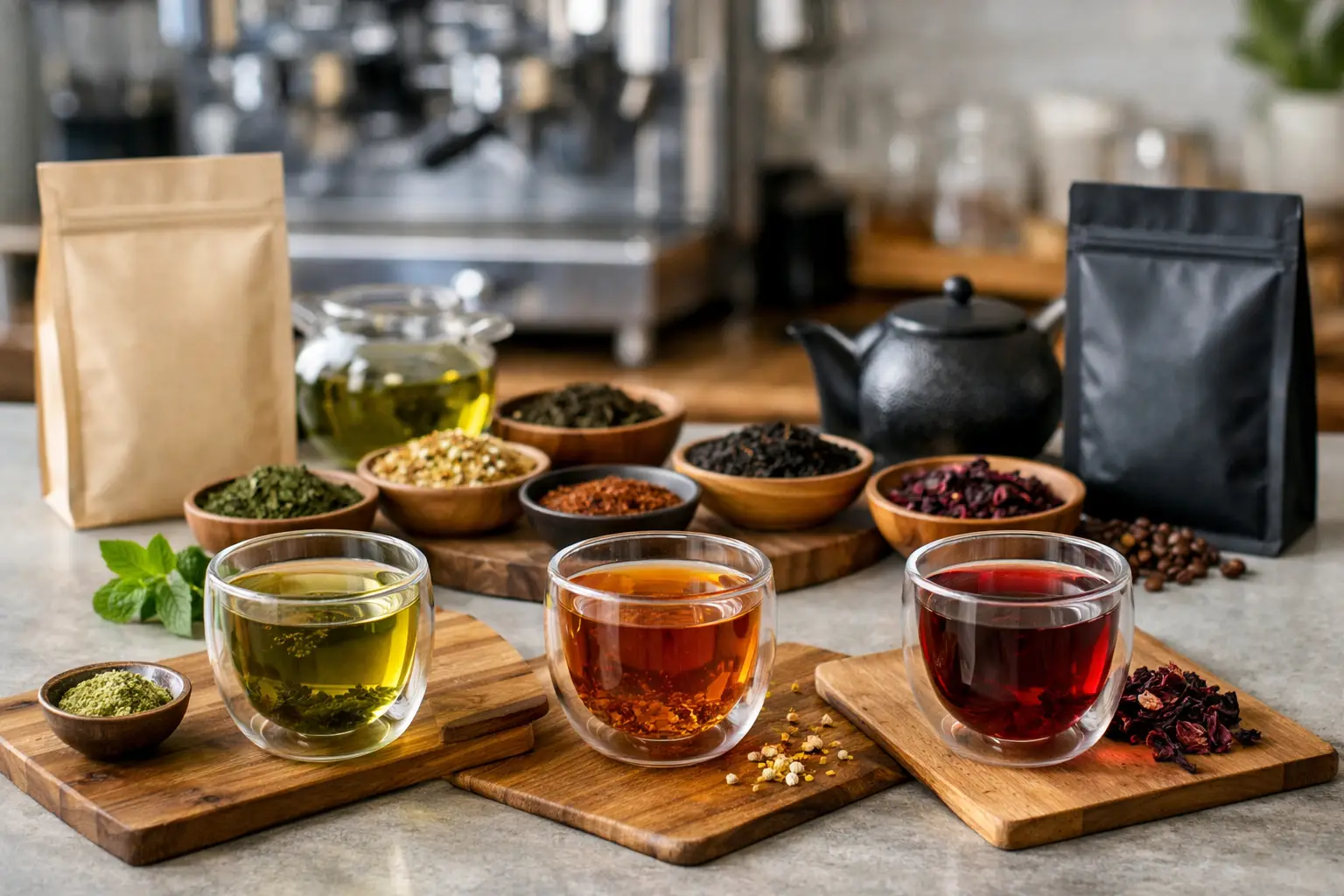
Your espresso program might bring people in, but tea is often what keeps your menu honest. Guests notice when the tea offer feels like an afterthought – dusty sachets, weak flavor, no clear identity. The best organic teas for cafes do more than fill a menu gap. They give non-coffee drinkers a reason to come back, raise perceived quality, and create room for better margins with very little equipment.
For most cafes, the right tea range is not the biggest range. It is the most usable one. You want teas that brew consistently during a rush, taste clean without a lot of explanation, and fit the way your team already works. Organic matters here not just as a label, but as a buying signal. Customers who order tea often care about ingredient quality, sourcing, and a more natural profile. If your café already talks about beans, origin, and craft, your tea should meet the same standard.
What makes the best organic teas for cafes
A good café tea has to perform on both sides of the counter. For the customer, it needs clear flavor, aroma, and a finish that feels premium. For the operator, it needs dependable stock, manageable prep, reasonable cost per cup, and enough versatility to work hot, iced, or as part of a signature drink.
Organic certification alone does not guarantee a better cup. Some organic teas are delicate and expressive. Others taste flat. What matters is the combination of leaf quality, blend balance, and how well the product holds up in service. A tea that tastes beautiful in a quiet tasting can still fail on a busy bar if steeping is too fussy or the flavor collapses when brewed a little off target.
Packaging format matters too. Loose-leaf tea usually gives you better aroma, stronger visual appeal, and more room to position the drink as premium. Teabags, especially pyramid styles, are often faster and easier for high-volume service. There is no single right answer. If your team is small and your workflow is tight, convenience can be a quality decision.
The core organic tea lineup most cafes actually need
1. Organic English breakfast or breakfast black tea
If you only sell one traditional tea in volume, this is usually it. A solid organic breakfast blend gives you body, color, and familiarity. It works for customers who want milk and sugar, and it still tastes complete on its own.
This is also one of the safest teas for all-day sales. It fits breakfast traffic, pairs well with pastries, and translates across a wide range of customer preferences. For cafes, consistency matters more than complexity here. You want a blend that tastes full without turning harsh if someone forgets it for an extra minute.
2. Organic Earl Grey
Earl Grey earns its place because it feels slightly more premium without becoming niche. The citrus aroma makes it easy to upsell, and it works well as a straightforward hot tea or as a base for tea lattes and iced tea specials.
The key is balance. Too much bergamot and it tastes perfumed. Too little and it loses its identity. For café service, choose one with a clean black tea base and a natural citrus lift that still reads clearly when milk is added.
3. Organic green tea
A dependable green tea widens your menu immediately. It attracts health-conscious customers, afternoon tea drinkers, and guests looking for something lighter than coffee. It can also support iced tea service with minimal extra menu development.
That said, green tea can be unforgiving in a café setting. If your staff uses water that is too hot, bitterness shows up fast. This is where product selection matters. Some organic green teas are more tolerant and easier for general service than very delicate, high-end styles. For many cafes, a smooth sencha-style or blended green tea is the practical choice.
4. Organic jasmine green tea
Jasmine green tea gives you fragrance and menu distinction without requiring a long explanation. Customers understand it quickly, and it often appeals to people who say they are not usually tea drinkers.
It is especially useful in cafes that want a small but thoughtful tea range. One black tea, one plain green tea, one jasmine tea, and one herbal infusion can already feel curated rather than minimal.
5. Organic peppermint tea
Peppermint is one of the hardest-working herbal teas on a café menu. It is caffeine-free, familiar, refreshing, and useful after meals. It also performs well whether served as a simple hot infusion or poured over ice.
Operationally, it is a strong choice because flavor clarity is high. Even with less-than-perfect steeping, customers still get a recognizable, satisfying cup. That makes it ideal for general café teams rather than tea-specialist environments.
6. Organic chamomile tea
Chamomile covers a different need from peppermint. It is softer, floral, and calming, and it attracts evening customers, diners, and guests looking for a gentle caffeine-free option.
For cafés with dessert traffic or a broader dine-in experience, chamomile can quietly become a reliable seller. The trade-off is that it tends to be less exciting on the page, so your staff may need to recommend it rather than wait for customers to ask.
7. Organic rooibos
Rooibos is often overlooked, which is a mistake. It is naturally caffeine-free, has a fuller body than many herbals, and works especially well for customers who want something comforting without caffeine. It also holds milk better than chamomile or peppermint, which opens the door to rooibos lattes or spiced seasonal drinks.
This is one of the smarter additions for cafes that want to stand out a little while still staying approachable.
8. Organic chai
If your café already sells chai latte powder or concentrate, loose-leaf or bagged organic chai can still earn a place on the menu. It gives customers a less sweet, more tea-driven option and lets you position chai in two different ways – indulgent latte or traditional infusion.
The main consideration is overlap. In some cafes, one chai format is enough. In others, especially where tea is a stronger category, offering both can increase average ticket and customer choice.
9. Organic fruit or floral herbal blend
A single fruit-forward or floral caffeine-free blend can add color to the menu. Hibiscus blends, berry infusions, or citrus-herbal combinations often work well for iced tea and seasonal specials.
This is where you can add personality, but restraint matters. If your core black and green teas are weak, a flashy herbal blend will not fix the program.
How to choose the best organic teas for your café concept
Start with your customer mix. A grab-and-go coffee bar may only need four teas done well. A brunch café or dessert-focused concept can support six to eight. If your guests often ask for non-dairy milk, wellness drinks, or caffeine-free options, herbal and green teas will likely outperform a larger black tea lineup.
Next, look at service reality. If your staff is already managing espresso, food tickets, and delivery orders, an overly delicate tea range will create mistakes. Choose teas that taste good within a reasonable brewing window and do not require a separate ritual every time.
Margin is another part of the equation. Tea can be one of the better-margin items on a menu, but only if portioning is controlled and waste stays low. Loose-leaf formats can be very profitable, though they require staff discipline. Premium teabags may cost more per unit, but they reduce training demands and improve consistency. It depends on your volume and bar flow.
Sourcing, storage, and menu positioning
A strong tea program is rarely about chasing the rarest product. It is about buying from a supplier that understands café operations, not just retail shelves. Fresh turnover, clear product specs, practical pack sizes, and dependable fulfillment matter more than romantic tasting notes when you are running a business.
Storage is simple but easy to get wrong. Tea should stay away from heat, moisture, and strong odors. If your tea sits next to syrups, spices, or coffee in poorly sealed containers, quality drops faster than most operators realize.
On the menu, plain language wins. Customers should immediately understand what each tea is. A short descriptor helps – malty black tea, floral jasmine green, cooling peppermint. You do not need a wall of text. You need enough information to make ordering easy.
If you want to increase tea sales, train staff to ask one useful question: hot or iced? That single prompt opens more occasions, especially in warm-weather markets like Malaysia and Singapore where iced tea can be a serious sales category rather than an afterthought.
A practical starting lineup for most cafes
If you are building from scratch, begin with six: breakfast black, Earl Grey, green tea, jasmine green, peppermint, and chamomile. That covers familiar, premium, caffeinated, and caffeine-free needs without overloading inventory.
From there, add rooibos if you want a stronger caffeine-free option, chai if your customer base leans into spiced drinks, or a fruit herbal blend if iced tea is part of your growth plan. This is the kind of range that suits many independent cafés and small F&B operators looking for quality without unnecessary complexity.
Auresso’s broader beverage focus makes this kind of sourcing approach practical because tea does not live in isolation on a café menu. It sits alongside coffee, matcha, chai, chocolate, and seasonal drinks, so the best buying decision is often the one that strengthens the whole beverage program rather than one single category.
The tea menu your café needs is probably smaller than you think and more important than you treat it. Choose organic teas that brew well under pressure, match your customer habits, and hold their own next to your coffee. When tea feels intentional, customers can taste it.