

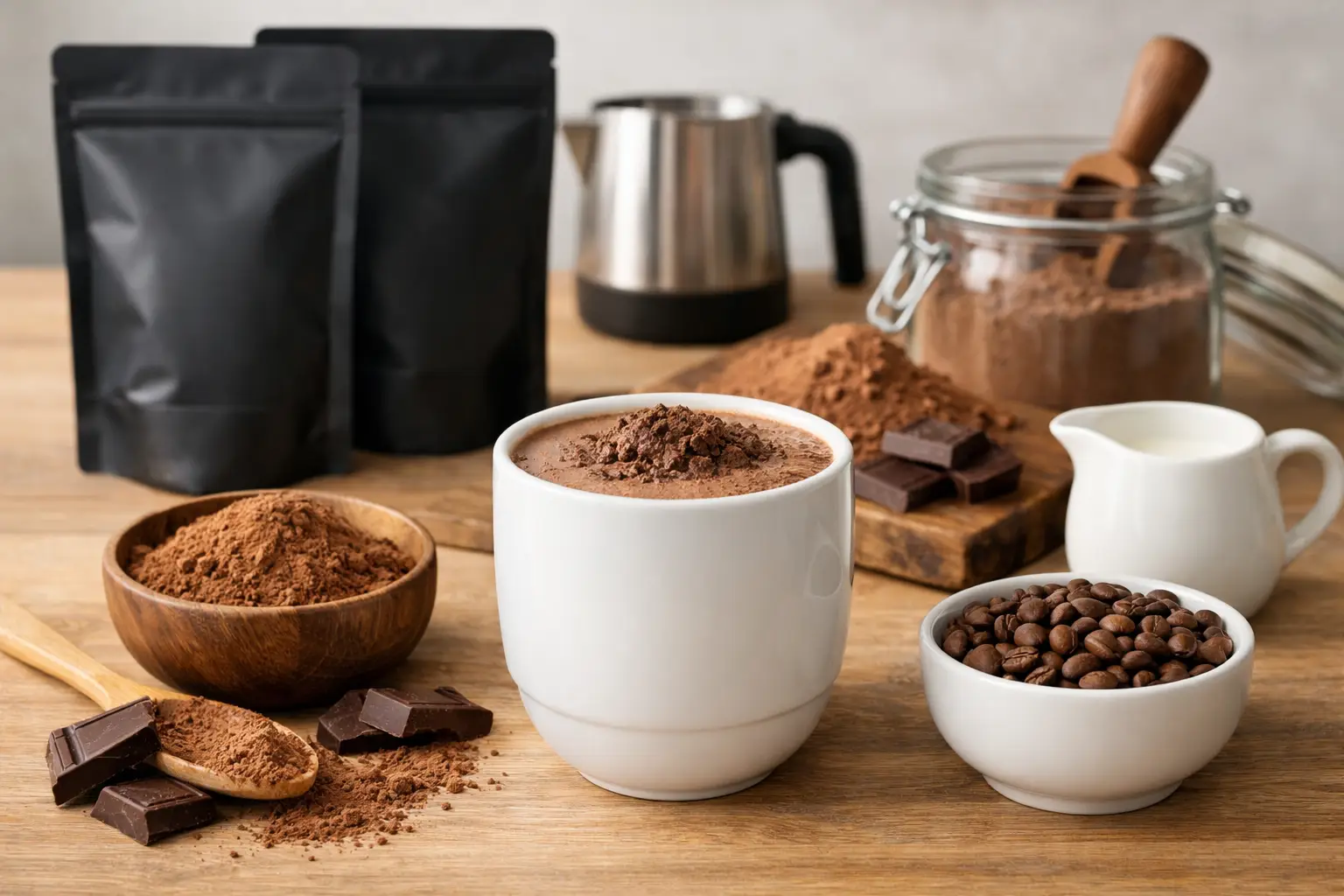
A good hot chocolate should taste like chocolate first, not just sugar, milk, or artificial flavoring. That sounds obvious, but it is the quickest way to separate an everyday cocoa mix from a drinking chocolate worth serving. This drinking chocolate powder review focuses on the factors that matter in the cup and behind the counter: cocoa character, sweetness, texture, mixability, and value across repeated use.
For home drinkers, the right powder turns a familiar comfort drink into a café-style ritual. For cafés and foodservice teams, it needs to do more than taste good once. It must perform consistently during a busy service, work with the chosen milk, and deliver a result customers are happy to order again.
What Sets Drinking Chocolate Apart From Cocoa Mix
The terms are often used interchangeably, but they can lead to very different drinks. Cocoa powder is typically unsweetened and naturally leaner in texture. It is excellent for baking and gives baristas control over sugar and flavor, but it usually needs additional sweetener and careful mixing for a finished beverage.
Drinking chocolate powder is made for the cup. Most blends combine cocoa or chocolate with sugar and, depending on the product, milk solids, starches, salt, vanilla, or other ingredients that support body and easier preparation. A well-made blend should dissolve cleanly and produce a rounded, chocolate-forward drink without requiring a complicated recipe.
That convenience comes with a trade-off. A highly sweetened powder may be easy to serve but leave little room for the cocoa to show through. A darker, higher-cocoa blend may have more depth but can need a little more care with temperature, milk choice, and dosage. Neither style is automatically better. The best option depends on whether you are serving children, building a dessert menu, or aiming for a less-sweet specialty beverage.
Drinking Chocolate Powder Review: The Cup Test
A reliable review starts with preparation, not packaging. Use the recommended dose and method first, then test the powder in the milk you actually plan to serve. Whole dairy milk creates a fuller, sweeter impression; oat milk can add cereal-like softness; soy milk often brings more body; and lower-fat milk can make bitterness and sweetness appear more pronounced.
Flavor Should Have Depth, Not Just Sweetness
The first sip should give a clear cocoa impression. Depending on the blend, that may be mellow and milky, bittersweet and dark, or slightly fruity and aromatic. Good drinking chocolate has a finish that lingers pleasantly rather than disappearing into a sugary aftertaste.
Look for balance. A darker profile can be appealing to adult customers and pairs well with espresso, but excessive bitterness may feel thin or harsh in a standard hot chocolate. On the other hand, a very sweet powder may satisfy customers looking for a classic comfort drink, yet it can become cloying in larger takeaway sizes.
For café testing, taste the drink at serving temperature and again after several minutes. Some powders taste rich while very hot but become overly sweet as they cool. Others open up as the cocoa aroma becomes more noticeable. That second tasting often tells you more about the blend than the first.
Texture Is Part of the Flavor
Texture is where many powders either earn repeat orders or disappoint. The drink should feel smooth and integrated, with enough body to seem indulgent but not so thick that it resembles a pudding. A powder that produces a watery result can be improved with a higher dose, but that may also push sweetness too far.
Check the bottom of the cup as well. Fine sediment is not always a fault, particularly in high-cocoa blends, but gritty particles and a thick sludge suggest poor dispersion or an unsuitable preparation method. The best powders stay cohesive from the first sip to the last.
Mixability Matters More in Service
A powder can taste excellent and still be frustrating for a café if it clumps in the pitcher or takes too long to dissolve. Test it with hot milk, steamed milk, and a small amount of hot water or milk made into a paste before adding the remaining liquid. The right method varies by blend.
For busy baristas, the ideal product incorporates quickly with a whisk or steam wand and does not leave dry pockets behind. For home use, easy spoon mixing is a genuine advantage. Convenience should not replace quality, but it has real value when preparing several drinks during a morning rush.
Read the Label With Your Menu in Mind
Ingredient lists and nutrition panels provide useful clues before the first cup is made. Cocoa content can indicate intensity, although a higher percentage does not guarantee a better drink. The origin and type of cocoa, level of sugar, presence of milk powder, and use of thickeners all influence the final result.
A short ingredient list is often appealing, especially for a menu built around recognizable ingredients. Still, a blend with a small amount of starch or emulsifier can be the more practical choice if it delivers consistent texture and dissolves reliably. The better question is whether every ingredient serves the cup you want to make.
Consider dietary needs as well. A dairy-free powder may suit a plant-based menu, but check how it performs with your preferred alternative milk. If the powder already contains milk solids, it may create a richer drink with water, yet it will not suit customers avoiding dairy. Clear product information helps prevent ordering errors and makes staff training easier.
Choosing the Right Style for Home or Café
For home use, buy according to your preferred drinking style. If you like a gentle, sweet hot chocolate at night, a classic milk-chocolate blend is likely the better fit. If you prefer dark chocolate, reduced sweetness, or a drink that stands up to espresso, choose a more cocoa-led powder and adjust the dose to taste.
For cafés, start with the menu role. A dependable house hot chocolate needs broad appeal, predictable cost per cup, and easy preparation. A premium dark drinking chocolate can then serve as an upgrade, seasonal special, or base for mochas. Offering only the darkest option may impress a small group of chocolate enthusiasts while missing customers who expect a smoother, sweeter café classic.
Portion cost deserves attention, but it should not be viewed in isolation. A less expensive powder that requires a heavy dose may cost more per beverage than a premium blend with stronger flavor at a lower dose. Calculate the actual grams used per cup, add the cost of milk and garnish, then compare that result with the selling price and the experience delivered.
Test It Beyond a Standard Hot Chocolate
The most useful powder is often the one that works across more than one drink. A mocha is the obvious test. Add a measured amount of espresso to see whether the coffee enhances the cocoa or overwhelms it. Darker, less-sweet powders usually hold their character better here, while sweeter blends may need a stronger coffee recipe.
Cold applications are worth testing too. Some powders dissolve beautifully in hot milk but struggle over ice. If iced chocolate is part of your menu, make a concentrated paste with hot water or warm milk before shaking or blending it with cold milk. This prevents graininess and gives a more even finish.
You can also test the powder in a frozen beverage, as a chocolate sauce-style base, or dusted lightly over whipped cream. These uses should support the product’s main role rather than justify an unsuitable purchase, but versatility can reduce inventory complexity for smaller beverage programs.
Storage and Consistency After Opening
Drinking chocolate powder is sensitive to moisture and strong odors. Store it in an airtight container in a cool, dry place, away from coffee beans, spices, and heat-producing equipment. A damp scoop can cause clumping quickly, especially in humid service environments.
For cafés, label the opening date and use a dedicated dry scoop. Consistency also improves when the recipe is documented by weight rather than by an undefined spoonful. A difference of only a few grams can noticeably change sweetness and thickness, particularly in smaller cups.
At Auresso, the practical choice is not simply the product with the most premium-sounding label. It is the drinking chocolate that matches your customers, your milk program, your service pace, and your target cost per cup. Test a small batch carefully, write down the recipe that delivers the best balance, and let the finished cup make the decision.