

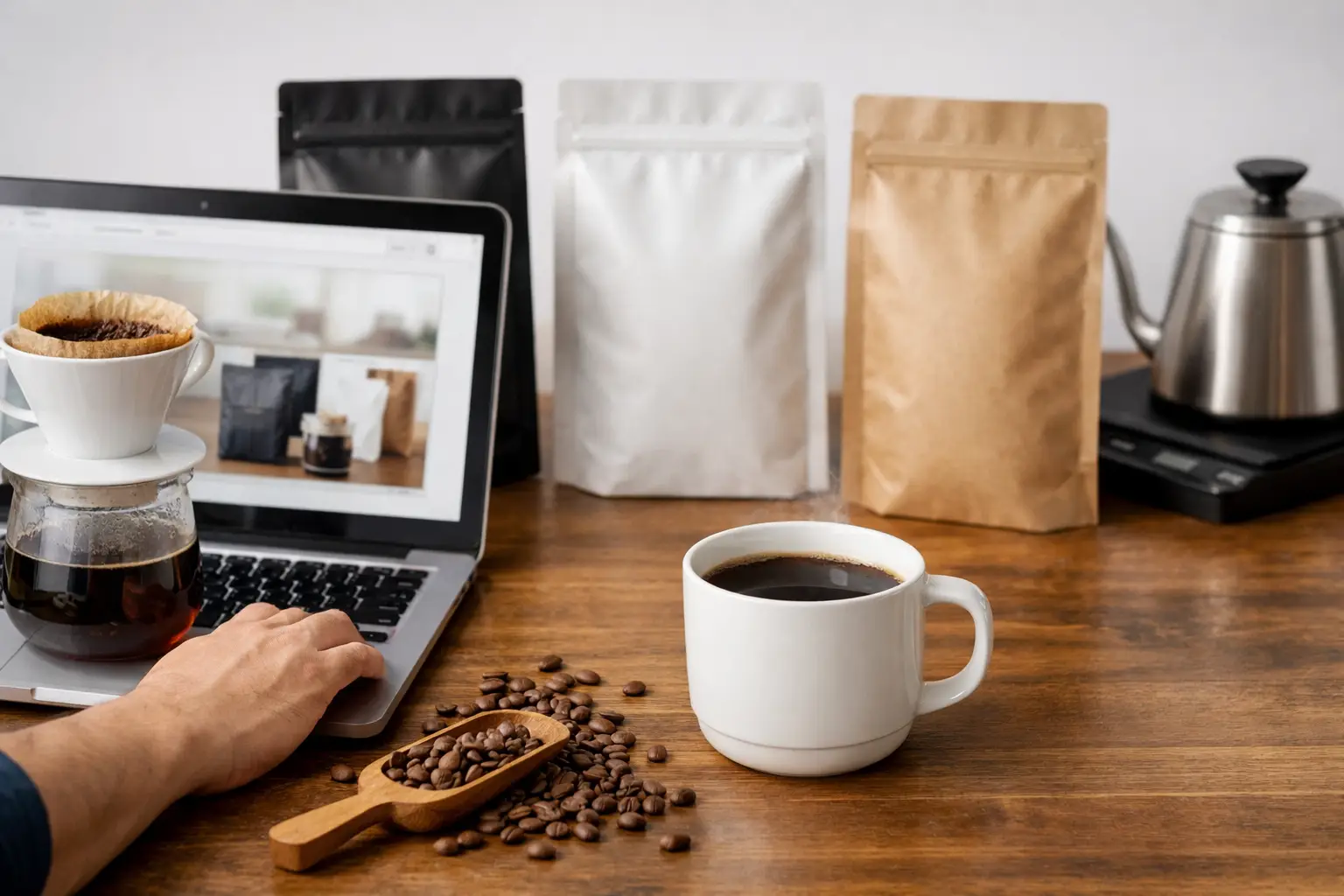
A bag labeled “filter roast” is a useful starting point, but it does not guarantee the coffee will suit your brewer, taste preferences, or service needs. When you buy filter coffee online, the best choice comes from matching the coffee to how it will be brewed and who will drink it. A bright, fruit-forward single origin can be excellent in a V60, for example, while a balanced chocolate-led blend may make a better everyday batch brew for a busy café.
Online ordering gives home brewers and beverage businesses access to far more roasters, origins, and roast profiles than a single shelf can hold. It also asks you to make a few decisions before you can smell the beans. The good news is that the product details that matter most are easy to assess once you know what to look for.
Start With Your Brewing Method
Filter coffee is a broad category. It can mean a hand-poured V60, a Kalita Wave, Chemex, automatic drip machine, batch brewer, French press, or AeroPress brewed with a paper filter. These methods share a slower, more transparent cup style than espresso, but they do not all favor the same coffee.
For pour-over, look for coffees with clear tasting notes, clean sweetness, and enough acidity to stay lively as the cup cools. Washed coffees often show this clarity, with flavors that can range from citrus and stone fruit to florals and tea-like sweetness. This does not mean a natural-process coffee is off limits. It simply means it may bring a fuller fruit character that is more distinctive and sometimes less familiar to casual drinkers.
For an automatic drip machine or café batch brewer, consistency usually matters more than novelty. Medium-roast blends are often an effective choice because they offer body, sweetness, and dependable results across a larger brew volume. A coffee with notes of cocoa, caramel, roasted nuts, or brown sugar tends to be approachable with or without milk.
French press and metal-filter brewers retain more coffee oils and texture. Coffees with a little more body can work especially well here. If your cup often tastes muddy or harsh, do not assume the beans are the problem. A coarser grind, cleaner press, and a shorter steep may solve it.
How to Buy Filter Coffee Online by Roast and Flavor
Roast level is a practical signal, not a complete description of flavor. Two medium roasts can taste completely different depending on origin, processing, and the roaster’s intended profile. Still, roast gives you a dependable way to narrow a large selection.
Light roasts generally preserve more origin character. Expect brighter acidity and flavors such as berries, citrus, florals, or tropical fruit. They reward careful brewing and are ideal for drinkers who enjoy tasting differences between regions and harvests. They can also taste thin or sharp if the water is too cool, the grind is too coarse, or the coffee is under-extracted.
Medium roasts are often the most versatile place to begin. They can still offer fruit and origin character while bringing more sweetness and body. For households with different preferences, or for cafés serving a broad customer base, medium-roast coffees often provide the easiest path to a balanced cup.
Medium-dark and dark roasts lean toward deeper flavors such as chocolate, toasted nuts, spice, and heavier caramelization. They can be satisfying in batch brew, especially for guests who prefer a traditional, fuller coffee profile. The trade-off is that the individual character of the origin may be less pronounced. A dark roast is not inherently stronger in caffeine, either. “Strong” is usually about flavor intensity and brew ratio, not roast color alone.
Tasting notes should guide expectations, not be read as added ingredients. A coffee described as having peach, cocoa, and jasmine notes will not taste like flavored coffee. Those words describe aromas and flavor impressions created by the bean, processing, roast, and brewing method.
Origin, Process, and Blend: What Actually Changes the Cup
Origin can offer a helpful flavor direction. Coffees from Latin America are often associated with chocolate, nut, and caramel notes, while many African coffees bring more citrus, berry, or floral character. Asian origins can offer spice, earthiness, syrupy sweetness, and a fuller body. These are patterns, not rules. Farm, variety, processing, and roasting can all shift the final result.
Processing matters too. Washed coffees are valued for clean, defined flavors. Natural or dry-processed coffees can taste sweeter, fruitier, and more wine-like. Honey-process coffees often sit between the two, with rounded sweetness and a fuller texture. For a first online purchase, choose a washed coffee if you value clarity, or a balanced blend if you want a reliable daily cup. Choose natural-process lots when you are actively looking for a more expressive fruit profile.
Single origins are excellent for discovery and seasonal menus. Blends are designed for balance and repeatability. Neither is more premium by default. For a café, a stable house blend may be the right operational choice, while rotating single origins can give regular customers something new to explore.
Freshness Matters More Than Fancy Packaging
Whole beans retain flavor longer than pre-ground coffee, so buying whole bean and grinding just before brewing is the simplest upgrade most filter coffee drinkers can make. A burr grinder produces more even particles than a blade grinder, which helps water extract coffee more evenly and reduces both bitterness and sourness.
If you need coffee ground before shipment, select a filter-specific grind where possible and state the brewer you use. A medium grind works as a starting point for many drip brewers. Pour-over typically needs a medium-fine grind, while French press needs a noticeably coarser grind. Grind settings vary between grinders, so expect to make small adjustments once the bag arrives.
Check whether a roast date or freshness information is supplied. Freshly roasted coffee needs a brief resting period after roasting, particularly for filter brewing. Many coffees taste their best from roughly one to four weeks after roast, although the exact window depends on the coffee and packaging. Once opened, keep beans in an airtight container away from heat, direct light, and moisture. Avoid storing them in the refrigerator, where condensation and food odors can affect the coffee.
Choose Pack Size Based on Consumption, Not a Bargain Alone
Larger bags can offer better value, but only if the coffee will be used while it is still tasting its best. A home brewer making one or two cups daily may be better served by a smaller bag or two different small bags. This keeps the experience fresh and makes it easier to learn what profiles you enjoy.
For cafés and offices, calculate usage from your recipe. If a batch brew uses 60 grams of coffee per liter and you serve 20 liters per week, you need about 1.2 kilograms before allowing for dialing in and staff drinks. Ordering with a sensible buffer protects service without tying up too much stock in aging inventory.
Businesses should also consider consistency beyond the bag. Can the supplier provide reliable replenishment, clear product information, responsive guidance, and alternatives when a seasonal lot sells out? Auresso’s curated range is built for both enthusiasts and trade buyers who want quality coffee alongside the beverage ingredients and equipment needed to keep service moving.
Read Product Details Like a Barista
A product page should answer the questions you would ask at a coffee bar: What roast level is it? Is it a single origin or blend? Which brew methods does it suit? What flavor profile should you expect? Is it whole bean or ground? Ratings and customer feedback can add useful real-world context, especially when they mention a specific brewer or whether the coffee worked well black versus with milk.
Do not chase the highest-scoring coffee if it does not fit your use case. A delicate competition-style lot may be memorable, but it can be a poor fit for a café that needs a familiar, low-risk morning batch brew. Likewise, an inexpensive house blend can be a smart purchase when it delivers the sweetness, body, and consistency your customers expect.
When trying a new coffee, keep the first brew simple. Use clean, filtered water, a consistent dose, and a scale if you have one. For pour-over, start around a 1:16 coffee-to-water ratio, such as 20 grams of coffee to 320 grams of water. If it tastes sour, hollow, or weak, grind a little finer or brew a little longer. If it tastes dry, bitter, or overly heavy, grind coarser or reduce the brew time.
The right online coffee purchase is not the bag with the most dramatic description. It is the one that arrives fresh, fits your equipment, suits the people drinking it, and gives you a cup you are happy to brew again tomorrow.