

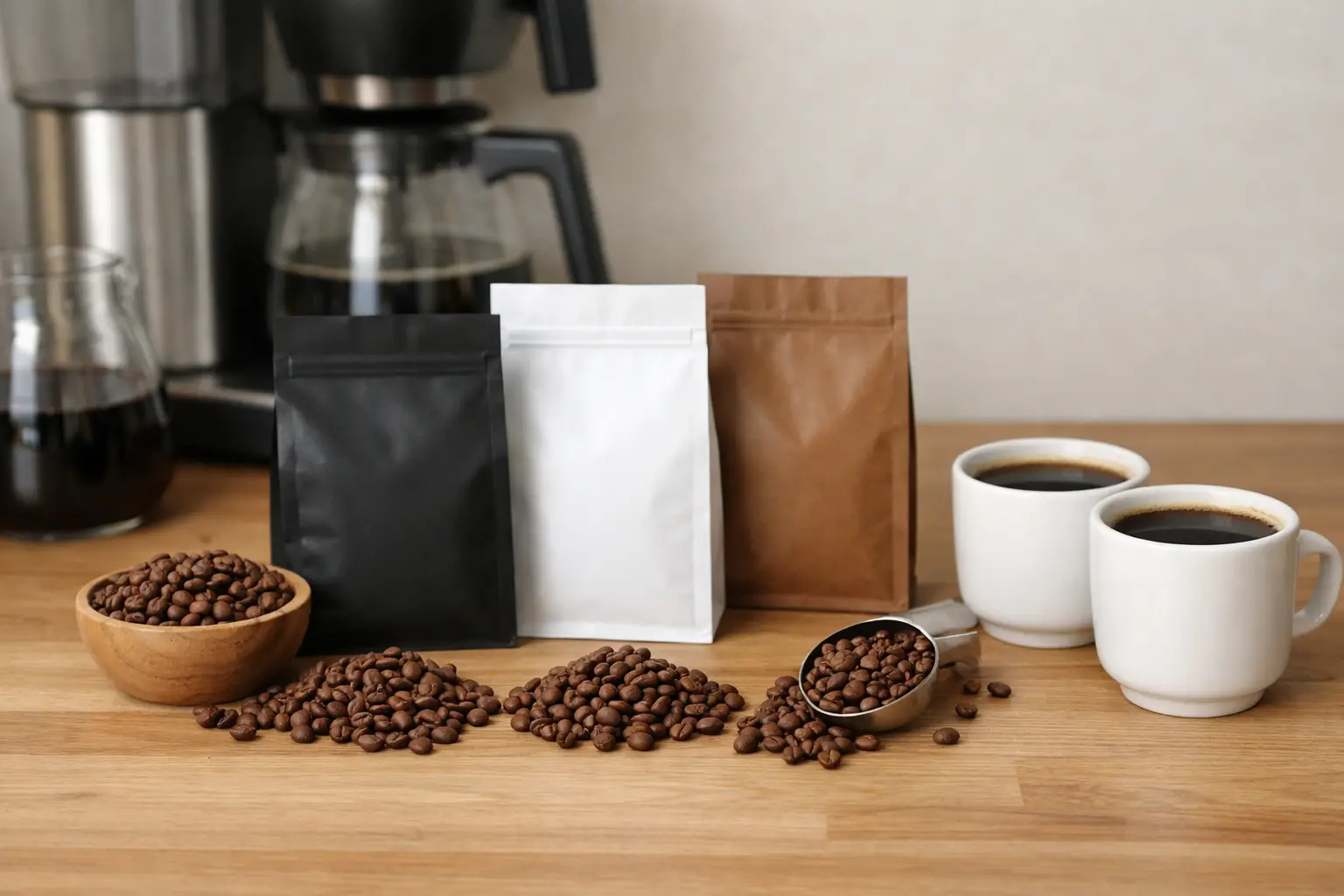
A batch brewer can make an excellent coffee or make a large volume of disappointment very efficiently. The right coffee beans for batch brew need to taste balanced not only in the first cup, but also after the pot has been sitting for a few minutes. Whether you are brewing at home for a busy morning or setting up a café filter program, the aim is the same: sweetness, clarity, and a dependable finish cup after cup.
Batch brewing is sometimes treated as the simple option compared with espresso or pour-over. It is simple to operate, but choosing beans for it still requires judgment. The brewer’s spray pattern, basket shape, batch size, water quality, and holding time all influence the result. A bean that tastes bright and exciting in a single-cup pour-over may come across as sharp or thin in a larger batch. A roast built for milk-based espresso may taste heavy, dry, or flat as black coffee.
What Batch Brewing Brings Out in Coffee
A well-set batch brewer distributes water over a larger coffee bed and maintains a stable brewing temperature. That consistency is useful for service, but it also makes a coffee’s core character very visible. You will notice underdevelopment, excessive roast, woody aging notes, and lack of sweetness quickly.
For most batch brews, look for coffees with a clear balance between sweetness, acidity, and body. A coffee does not need to be bland to be crowd-pleasing. It simply needs enough structure to remain enjoyable as it cools and enough sweetness to avoid requiring sugar, syrup, or milk to feel complete.
This is why clean, developed medium and medium-light roasts often work particularly well. They can retain origin character while offering the caramelized sweetness and soluble structure that automated brewing needs. Very light roasts can work, especially with a capable brewer and carefully adjusted recipe, but they are less forgiving. If the grind, water temperature, or contact time is slightly off, they can taste grassy, sour, or watery.
Choosing Coffee Beans for Batch Brew by Flavor
Start with the cup experience you want customers, guests, or your household to have. Flavor descriptions are useful, but the practical question is whether the coffee will still taste satisfying when served in a full mug rather than evaluated in a small tasting cup.
For an everyday black coffee
Choose a medium roast with chocolate, caramel, nut, stone fruit, or gentle citrus notes. Coffees from Brazil, Colombia, Guatemala, and many well-developed blends are reliable starting points. They tend to offer rounded sweetness, moderate acidity, and enough body for a familiar, easy-drinking cup.
For cafés, this style is often the safest foundation for a daily batch option. It appeals to guests who prefer traditional coffee flavors while still giving specialty-coffee drinkers enough clarity and freshness to enjoy. A good seasonal blend can also simplify buying and dial-in, particularly when availability of single origins changes.
For a brighter specialty filter offering
Choose a medium-light roast with a transparent, sweet profile. Washed coffees from Ethiopia, Kenya, Rwanda, or Central America can bring floral, berry, citrus, or tea-like notes to batch brew. The trade-off is that high-acidity coffees need more attention to recipe and holding time.
A bright batch coffee is best served in smaller, fresher volumes. Rather than brewing a large pot that sits for an hour, brew more frequently and use a quality insulated server. This protects delicate aromatics and prevents the coffee from developing a dull, papery character.
For milk, sugar, or a fuller cup
A medium to medium-dark roast with cocoa, toasted nuts, brown sugar, and dried-fruit notes is usually a better fit. Avoid choosing a very dark roast by default. Darker roasting can create an immediate impression of strength, but it may also bring bitterness and ashiness that become more obvious in batch brewing.
A fuller-bodied coffee can be a smart choice for breakfast service, offices, and casual foodservice settings where people may add milk. It should still taste clean on its own. That is a useful quality check when selecting beans for a broad audience.
Single Origin or Blend?
There is no universal winner. Single-origin coffee gives a batch program a strong story and a distinctive flavor profile. It can be ideal for home brewers who enjoy trying different harvests, or cafés that want to offer an approachable rotating filter coffee. The challenge is consistency. Seasonal changes can affect flavor, density, and the recipe needed to get the best result.
Blends are often the practical choice for high-volume brewing. A thoughtful blend can combine sweetness, body, and acidity in a way that is more stable across lots. It also provides a familiar customer experience from week to week, which matters when coffee is part of a routine morning order.
For many businesses, the most effective approach is to use a dependable house blend as the core batch brew and introduce single origins as limited filter features. This protects service consistency while giving regular customers something new to discover.
Freshness Matters, but Rest Matters Too
Fresh coffee is essential, yet coffee brewed immediately after roasting is not always at its best. Freshly roasted beans release a high volume of carbon dioxide. In a batch brewer, that gas can interfere with even water contact and lead to uneven extraction.
As a general working range, many coffees are ready for batch brewing from around 7 to 21 days after roasting. The ideal window varies by roast level, processing method, and packaging. Lighter roasts may benefit from a little more rest, while more developed roasts often open up earlier.
For home use, buy a quantity you can finish within several weeks after opening. For cafés and F&B operators, track roast dates and rotate inventory first in, first out. Freshness is not just a marketing claim. It is a practical control point for flavor consistency and waste reduction.
Match the Bean to Your Brewer and Recipe
The beans matter, but a good coffee can still disappoint with the wrong setup. Before deciding a roast is unsuitable, check the brew recipe. Batch brewing usually responds best to a medium grind, adjusted based on taste rather than appearance alone.
If the coffee tastes sour, salty, or noticeably thin, it may be under-extracted. Try grinding slightly finer, increasing the coffee dose, or confirming that the brewer is reaching proper temperature. If it tastes bitter, dry, or harsh, grind slightly coarser or reduce the dose. Change one variable at a time so you can identify what actually improved the cup.
A practical starting ratio is 60 grams of coffee per liter of water, then adjust to suit the coffee and your preferred strength. A café may choose a slightly stronger recipe for customers who add milk, while a delicate single origin may shine at a lighter concentration. Water quality also matters. Water with unpleasant chlorine notes or excessive mineral content can hide the qualities you paid for in the beans.
Keep the brew basket clean and use properly sized filters. Old coffee oils on the basket, server, or spray head can make a fresh batch taste stale, especially in lighter roasts. For commercial service, a simple cleaning routine is as valuable as changing to a more expensive coffee.
Holding Time Is Part of the Recipe
Coffee does not stay at peak flavor indefinitely after brewing. Heat changes aroma, and prolonged contact with a hot plate can create bitterness and a cooked taste. If possible, transfer brewed coffee to an insulated airpot or thermal server rather than leaving it on an open warmer.
For a café, brewing smaller batches more often usually produces better coffee and less waste than making one oversized pot. Watch actual sales patterns by time of day. The best batch size is not the maximum your machine can hold. It is the amount you can sell while it remains fresh and enjoyable.
At home, this same principle applies on a smaller scale. If only two people are drinking coffee, a half batch made with a precise ratio will taste better than a full carafe held for later.
Buy for Consistency, Not Just a Tasting Note
The best coffee beans for batch brew are the ones that match your equipment, service style, and customers’ preferences. A detailed flavor description is helpful, but it should be supported by roast-date transparency, reliable sourcing, and a roaster profile suited to filter brewing.
For businesses in Malaysia and Singapore, working with a supplier that can offer both curated roasters and dependable replenishment can reduce the pressure of frequent menu changes. Auresso’s range makes it easier to compare approachable blends with more distinctive single origins while keeping coffee, brewing equipment, and café beverage supplies in one ordering flow.
Start with a coffee that tastes sweet, balanced, and clean in your standard recipe. Then let your grinder settings, holding practice, and customer feedback refine the final cup. That steady attention is what turns a convenient batch brew into coffee people will gladly come back for.