

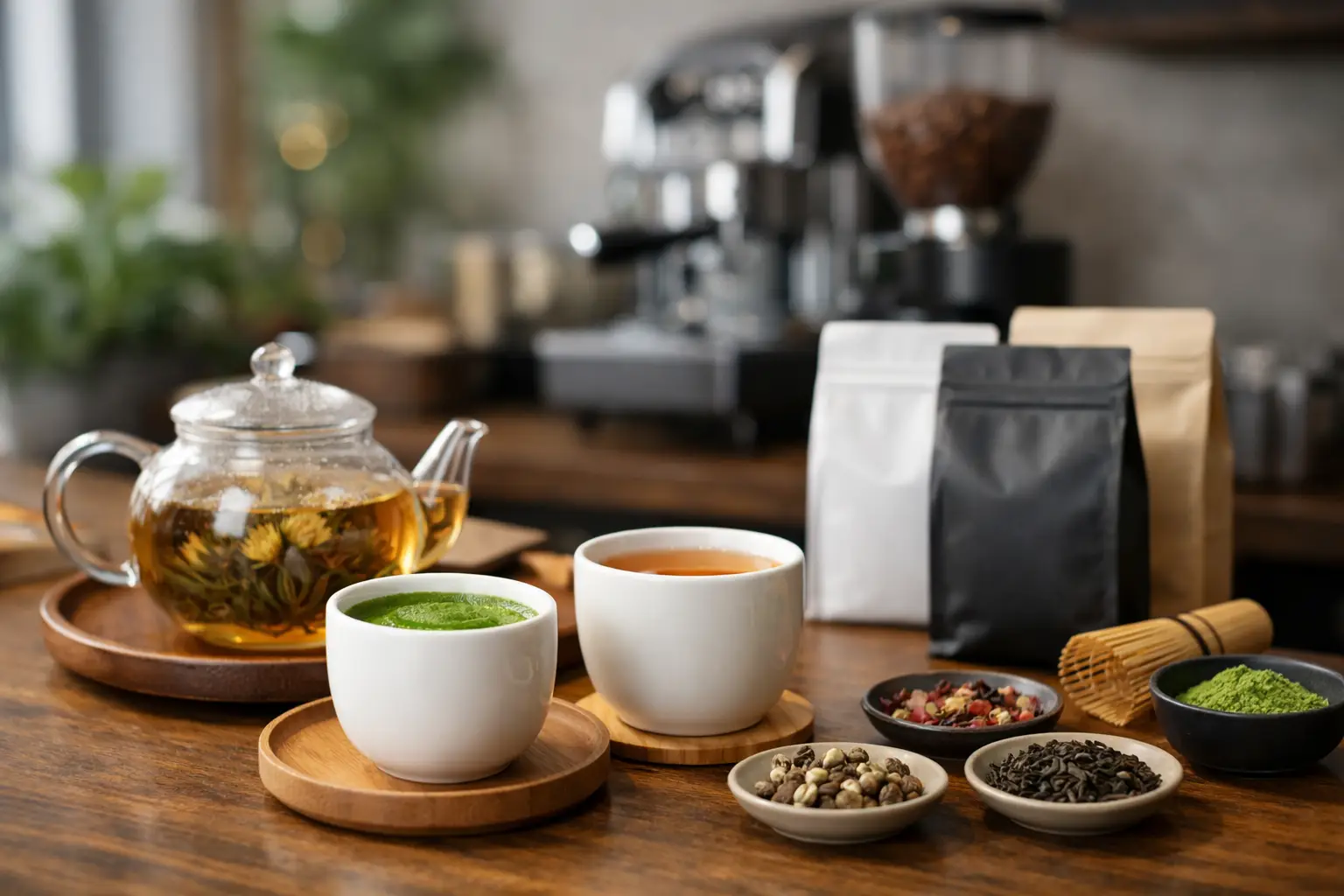
A tea menu is no longer the quiet corner of a café board. Across Singapore, customers are asking where the matcha comes from, whether a tea can be served without dairy, and why one hojicha tastes deeper than another. The most useful specialty tea trends singapore businesses should watch are not novelty drinks for novelty’s sake. They are practical shifts toward clearer sourcing, stronger flavor identity, and formats that work for both a weekday grab-and-go order and a premium café experience.
For café operators, the opportunity is to build tea offerings with the same care once reserved for coffee: choose dependable ingredients, develop repeatable recipes, and give customers a reason to trade up. For home drinkers, these trends make it easier to create better iced matcha, tea lattes, and loose-leaf brews without needing a complicated setup.
Specialty Tea Trends in Singapore Are Becoming Menu Standards
Singapore’s beverage market moves quickly, but the tea categories gaining staying power share one quality: they are easy for customers to understand after the first sip. Bright, grassy matcha; toasted, low-caffeine hojicha; fragrant loose-leaf teas; and cold-served tea drinks each have a distinct role on a modern menu.
The broader change is that customers increasingly expect tea to have a point of view. A generic “green tea” option may still serve a purpose, especially in a high-volume setting, but it is less likely to create a memorable order than a clearly described ceremonial-style matcha latte or a roasted hojicha oat latte. Specificity supports both customer confidence and better staff recommendations.
This does not mean every café needs a long tea list. In fact, a focused menu often performs better. Two or three well-chosen tea bases, served in hot and cold formats, can offer more consistency than a large selection of products that staff rarely prepare.
Matcha is moving from add-on to anchor drink
Matcha remains one of the strongest specialty tea categories because it works across formats. It can be served traditionally with water, shaken over ice, paired with milk, or used as the base for fruit-forward seasonal drinks. Its vivid color also gives it an advantage at the counter and on social media, but repeat purchases depend on taste and texture rather than appearance alone.
The key operational question is whether the matcha is suited to the drink being sold. A more delicate powder may shine when whisked simply with water, while a fuller, more assertive option can hold up better in iced lattes and sweetened recipes. Cafés should test their matcha with the exact milk, syrup, ice volume, and cup size used in service. A recipe that tastes balanced during a quiet tasting can become thin or overly bitter once diluted for takeaway.
Hojicha brings roasted comfort and a lower-caffeine choice
Hojicha is gaining attention for a different reason. Its roasted profile offers caramelized, nutty, and cocoa-like notes that feel familiar to coffee drinkers, while its generally lower caffeine level makes it appealing later in the day. It is a natural fit for customers who want a warm café-style drink without another espresso-based order.
A hojicha latte should not be treated as matcha with a different label. Its flavor is softer and toastier, so excessive syrup can quickly flatten it. A measured amount of sweetness, a milk with enough body, and a recipe that retains the tea’s roasted character are usually more effective. For operators, hojicha also creates a useful point of differentiation when neighboring cafés are all leading with matcha.
Cold Tea Is Competing With Cold Coffee
Iced drinks remain central in Singapore’s warm climate, and specialty tea is increasingly being developed with cold service in mind rather than simply poured over ice. This has led to better cold-brewed teas, shaken tea lattes, sparkling tea drinks, and fruit combinations that let the tea remain recognizable.
Cold brewing is especially valuable for floral, citrusy, and delicate loose-leaf teas because it can create a rounder cup with less bitterness. The trade-off is preparation time and refrigeration space. A café needs a clear batch schedule, labeled containers, and a realistic holding policy to maintain quality. It is not the best choice for every operation, but it can create a premium ready-to-pour option during busy periods.
Tea lattes are also becoming less dependent on heavy sweetness. Customers still enjoy familiar flavors such as vanilla, brown sugar, and honey, but a good tea base should remain present. When building an iced tea latte, start by deciding what the customer should taste first: the grassy lift of matcha, the roast of hojicha, the spice of chai, or the aroma of a loose-leaf black tea. Sweeteners and toppings should support that answer, not hide it.
Better Sourcing Is Part of the Specialty Tea Experience
As tea drinkers become more informed, vague product descriptions lose their appeal. They may not need a long lesson on every processing method, but they do appreciate useful information: tea type, origin when available, flavor profile, caffeine expectations, and the recommended way to serve it.
For businesses, reliable sourcing matters as much as a compelling product story. A popular matcha or tea blend is only useful if it can be reordered consistently and delivered in a format that fits the operation. Before adding a tea to the permanent menu, consider its availability, storage requirements, cost per serving, shelf life, and how easily staff can prepare it during a rush.
This is where a specialty beverage supplier can reduce unnecessary complexity. Auresso’s approach of bringing together tea powders, loose-leaf teas, chai blends, and café ingredients helps operators compare complementary products through one sourcing relationship. The goal is not to stock every trend. It is to choose products that make commercial sense and taste good enough to earn repeat orders.
Build a Tea Menu That Can Actually Be Repeated
The strongest tea programs balance creativity with control. A seasonal strawberry matcha may bring people through the door, but the core recipe has to be fast, consistent, and profitable. Start with a small base menu, then use limited flavors to test demand without overcommitting inventory.
A practical lineup might include a classic matcha latte, an iced hojicha latte, a chai option, and one brewed or cold tea. Those four drinks cover different taste preferences while allowing some shared ingredients, such as milk choices, sweeteners, and ice. If a fruit tea or sparkling tea is added, build it around a base that staff already understand.
Recipe discipline matters. Measure tea powder by weight, define the water temperature and volume for brewed tea, and specify the order in which ingredients are combined. Matcha that is whisked thoroughly before milk is added will taste smoother than powder dropped directly into a cup. For high-volume service, a tested shaking or blending method may be more practical than traditional whisking, provided it produces a consistent result.
Price should reflect the ingredient, labor, and positioning of the drink. Premium tea does not automatically require a premium price if the local customer base is highly value-conscious. On the other hand, underpricing a labor-intensive drink can turn a popular item into a problem. Test portion sizes and ingredient costs before making a drink a permanent fixture.
What Home Tea Drinkers Can Take From These Trends
The café trend toward more intentional tea is just as useful at home. A good matcha or hojicha powder, fresh water, and a basic whisk or handheld frother can produce a satisfying drink with very little equipment. Loose-leaf tea rewards a little more attention to water temperature and steeping time, but it does not need to be fussy.
Start with the flavor you genuinely enjoy. Choose matcha for fresh green intensity, hojicha for toasted warmth, chai for spice, or loose-leaf tea for a more classic brewed cup. If you usually drink iced beverages, make the first recipe cold rather than forcing yourself into a hot preparation that will not become part of your routine.
The tea category is becoming more interesting because it is offering real choices, not because every drink needs foam, toppings, or a new name. Choose a strong base, make the flavor clear, and let the next tea on the menu earn its place one well-made cup at a time.