

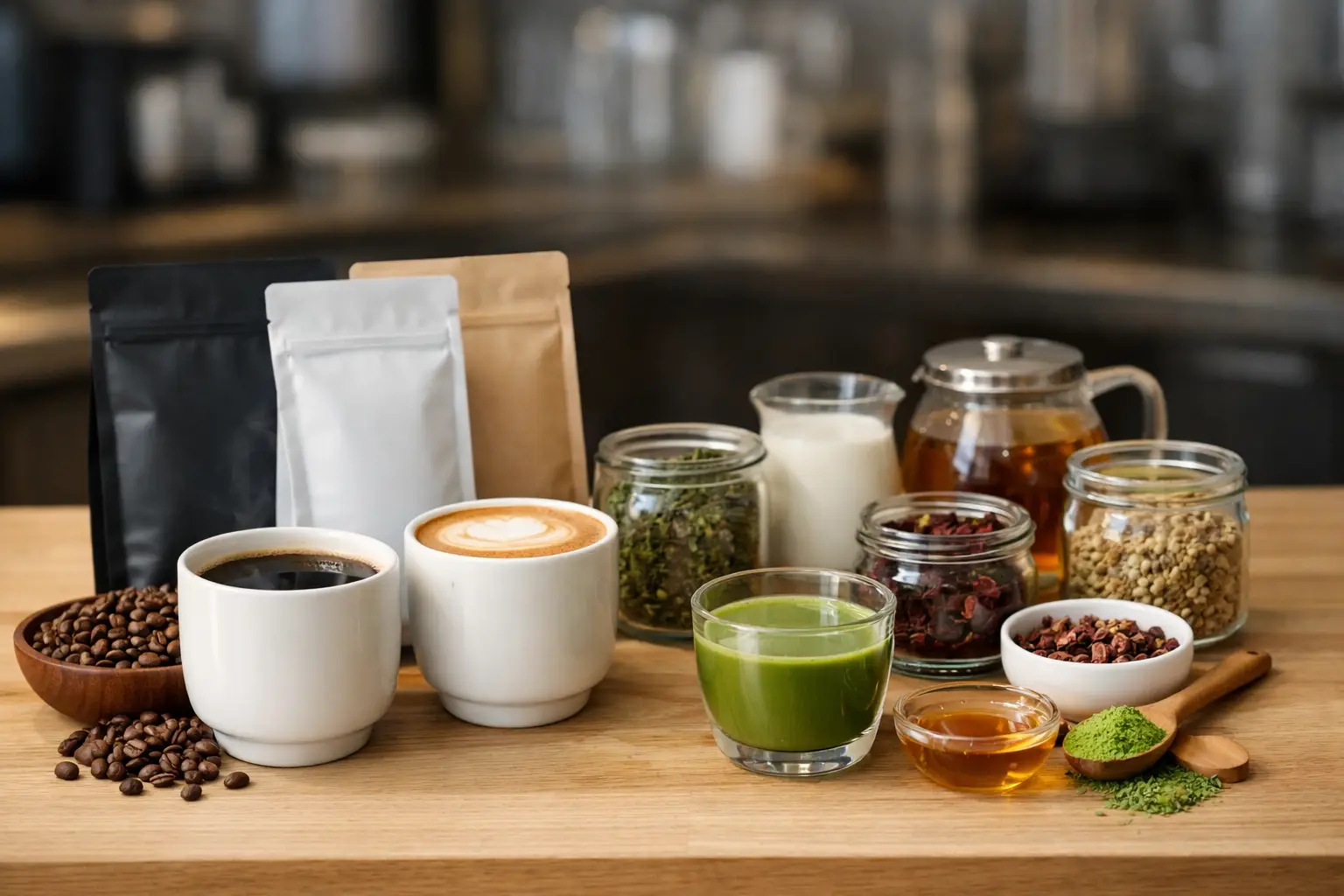
A tea menu can look profitable on paper and still disappoint at the bar. The usual problem is not the recipe. It is buying ingredients that taste excellent once, but are difficult to portion, slow to prepare, inconsistent between batches, or unavailable when the menu starts to sell. Knowing how to buy cafe tea ingredients means choosing for repeatable service as much as flavor.
For a café, restaurant, or beverage counter, tea is more than a hot drink category. It can cover comforting classics, iced refreshers, dairy-based lattes, and premium loose-leaf experiences with a relatively compact ingredient range. The right buying plan gives customers choice without leaving your team with half-used products and an overcrowded shelf.
Start With the Drinks You Actually Want to Sell
Buy for a defined menu, not for every tea trend. Begin by mapping your intended drinks into a few clear service styles: hot brewed tea, iced tea, tea lattes, and specialty drinks such as matcha, hojicha, or chai. Each style has different ingredient and equipment needs.
A traditional hot tea menu may need dependable teabags or loose-leaf teas, hot water service, cups, and optional sweeteners. Iced tea requires a tea that remains balanced when chilled and diluted by ice. Tea lattes need products that dissolve or steep consistently alongside milk. A finely milled matcha powder, for example, is not interchangeable with culinary green tea powder if you want a smooth, vibrant drink that customers will order again.
This step protects margin and workflow. A 20-item tea list may sound impressive, but a focused menu of six to 10 well-executed drinks is usually easier to train, stock, and promote. Add a new ingredient when it creates several sellable drinks, not just one complicated special.
Choose the Right Tea Format for Your Service Model
The best tea format depends on the experience you sell and the pace of your bar. Loose-leaf tea offers aroma, visual appeal, and room for premium positioning. It suits cafés where staff can follow a measured steeping process and customers appreciate origin, leaf style, and tasting notes. It also gives you flexibility to adjust portions for pot service or larger batches.
Teabags are often the practical choice for quick service, self-serve stations, hotels, and busy foodservice operations. A quality teabag can still deliver a satisfying cup while reducing staff variation. Check the tea grade and bag size rather than assuming all teabags brew alike. A weak bag can force longer steep times or multiple bags per cup, which damages both speed and cost control.
Powdered formats have their own role. Matcha, hojicha, and chai latte blends support café-style drinks with a stronger visual identity and a higher average selling price. They can be excellent sellers, but only when the preparation is simple enough for peak hours. Test whether the powder whiskes or mixes smoothly, how it performs with dairy and plant-based milks, and whether its sweetness level fits your recipe.
When learning how to buy cafe tea ingredients, avoid judging products only by the dry aroma or a single tasting. Make the drink exactly as your customer will receive it: in the serving size, with your water, milk, ice, syrup, and garnish.
Taste for Consistency, Not Just First Impressions
A memorable tea should have a clear flavor profile, but it must also be forgiving. Some delicate teas can turn bitter quickly when steeped a little too long. That may be acceptable for a specialist tea service, yet it can create problems in a high-volume café where baristas are managing espresso, food tickets, and customer questions at once.
During product testing, record the exact dose, water temperature, steep time, milk quantity, and ice level. Then have more than one team member prepare it. If the drink varies noticeably, simplify the recipe or choose a more stable ingredient.
Consider what customers expect from each category. English breakfast and Earl Grey should be recognizable and full-bodied. Green tea should be fresh rather than aggressively grassy. Chai should retain spice when mixed with milk. Matcha should offer body and color without harsh bitterness. The goal is not to chase the most unusual flavor. It is to select a quality product that performs reliably in your menu format.
Calculate Cost Per Cup Before You Commit
A lower pack price does not always mean a better purchase. Compare ingredients by usable servings and cost per finished drink. Include the quantity needed to produce the flavor you want, not the supplier’s most optimistic serving suggestion.
For each menu item, calculate the tea or powder dose, milk or water, sweetener, cup, lid, ice, and garnish. Then compare that cost against the selling price you can realistically charge in your market. Premium ingredients may justify a higher price when the drink has a clear story, strong presentation, or a recognizable quality difference. They are harder to justify when the customer cannot taste why the drink costs more.
Watch for hidden margin pressure in powdered drinks. A generous scoop of matcha may create a richer latte, but it can quickly change your cost per cup. The same is true for chai blends that require multiple pumps of syrup to reach the flavor customers expect. Standardize the recipe before rolling it out, and use clear scoop sizes or scales during training.
Buy Enough Stock, but Do Not Buy Blindly
Tea ingredients are shelf-stable compared with fresh produce, but freshness still matters. Tea can lose fragrance over time, and powders are especially vulnerable to heat, moisture, light, and repeated exposure to air. Large packs can offer better unit pricing, but only if your café can use them while they are still performing at their best.
Start with a realistic forecast. Estimate daily drink sales for each item, multiply by your recipe dose, and add a sensible buffer for weekends, promotions, and delivery delays. For a new menu item, begin with a smaller test order if possible. Sales data from the first few weeks is more useful than guesswork.
Store tea leaves and teabags in airtight containers away from coffee grinders, spices, direct sunlight, and humid prep areas. Keep matcha and other powders tightly sealed, clearly dated, and handled with dry scoops. Good storage protects the product you paid for and keeps the last drink in the pack close to the first.
Build a Supplier Plan That Supports Your Bar
A café tea program relies on more than a good product. You also need consistent availability, clear pack sizes, transparent pricing, and a supplier that can help you compare options when your menu changes. Consolidating tea, chai, matcha, drinking chocolate, and other beverage ingredients with one dependable partner can reduce ordering time and make stock planning easier.
Ask practical questions before making a product a permanent menu fixture. Is the item regularly stocked? Is there a comparable alternative if demand suddenly rises? Are wholesale quantities available as your sales grow? Can you order smaller packs for a trial before committing to a larger case?
A curated specialty beverage supplier such as Auresso can be particularly useful when you want to compare loose-leaf teas, teabags, matcha, hojicha, and chai blends in one buying process. Product range matters, but responsive advice matters too, especially when you are balancing a new beverage concept against staff capability and target margins.
Keep the Menu Easy to Train and Easy to Reorder
The strongest tea menus are designed around repeatable decisions. Use one black tea across hot and iced applications where the flavor works. Choose a chai blend that can become both a hot chai latte and an iced chai. Build matcha and hojicha drinks with the same milk options and cup sizes. This reduces ingredient sprawl while giving customers enough variety.
Write every recipe in operational terms: grams or scoops, water volume, steep time, milk quantity, ice level, and finishing step. Avoid instructions such as “brew as needed” or “add powder to taste.” Those phrases turn a reliable menu into a different drink with every barista.
Review sales and waste monthly. If a premium tea is loved by a small group of regulars, it may deserve its place. If an ingredient rarely sells and only serves one item, replace it with something that earns its shelf space. A well-bought tea program should feel generous to customers and disciplined behind the counter.
The next time you place a tea order, choose one ingredient that can improve a real customer favorite, test it under service conditions, and give your team a recipe they can execute with confidence. That is how a tea menu becomes a dependable part of your business rather than a category customers overlook.