

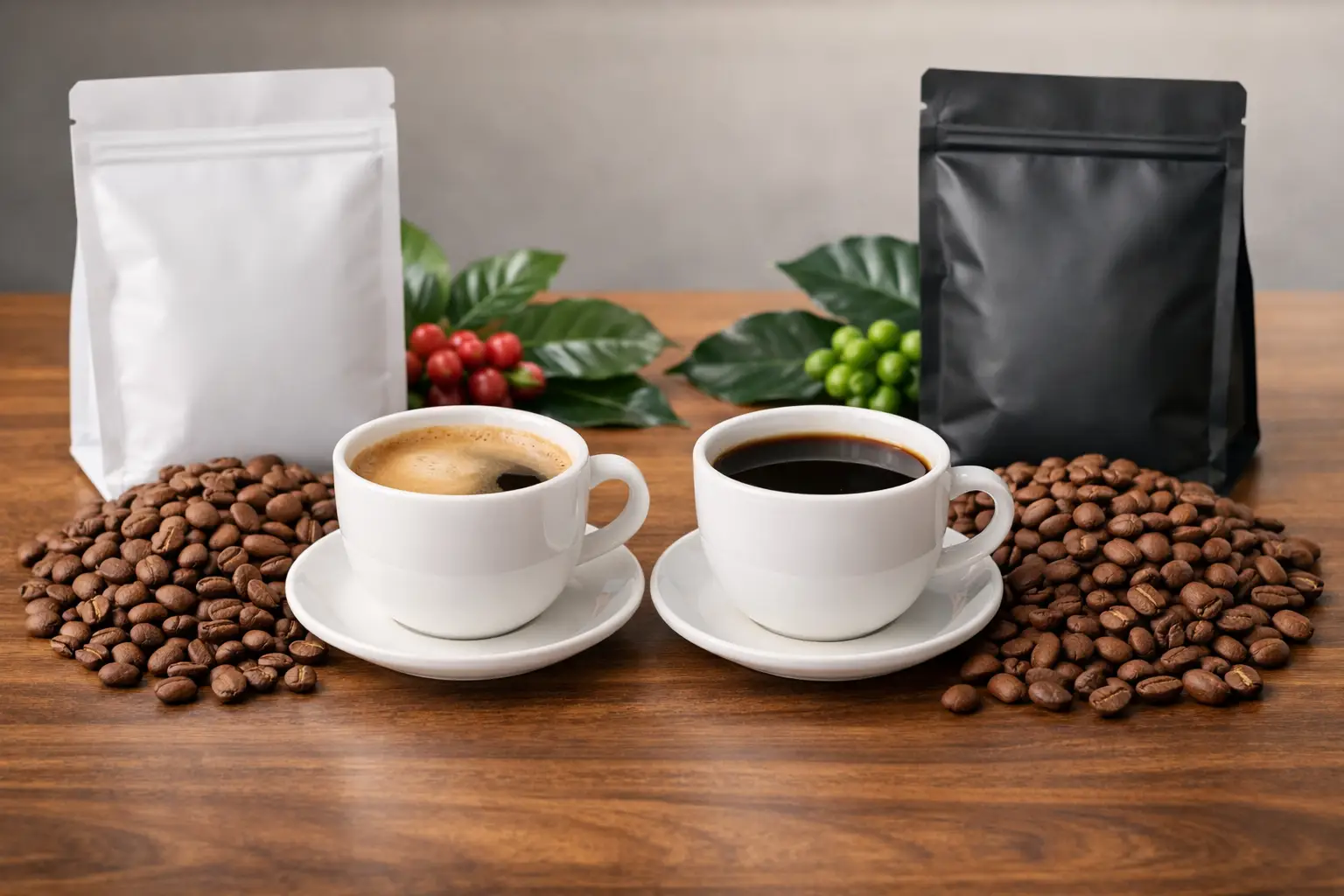
The difference between arabica vs robusta beans shows up fast – in the grinder, in the cup, and on your cost sheet. If you brew at home, it affects flavor, body, and caffeine. If you run a café or beverage program, it also affects consistency, crema, menu pricing, and how customers describe your coffee after the first sip.
This is why the question matters more than coffee trivia. Choosing between arabica and robusta is really about choosing what kind of drinking experience you want to serve.
Arabica vs robusta beans at a glance
Arabica and robusta are the two most common commercial coffee species, but they behave very differently. Arabica is generally known for higher acidity, more aromatic complexity, and a wider range of fruit, floral, chocolate, and caramel notes. Robusta is usually stronger, more bitter, heavier in body, and noticeably higher in caffeine.
That simple contrast is useful, but it can also be misleading. Not all arabica is delicate and premium. Not all robusta is harsh and low grade. Processing, roast development, origin, and brewing method can push the cup in very different directions.
For most buyers, a better way to think about it is this: arabica usually leads with flavor detail, while robusta usually leads with intensity and structure.
Flavor differences in arabica vs robusta beans
If you brew black coffee, arabica tends to be easier to appreciate. It often carries clearer acidity, sweeter aromatics, and more distinct origin character. Depending on where it is grown and how it is roasted, you may taste citrus, berries, stone fruit, cocoa, nuts, or brown sugar. That range is one reason specialty coffee leans heavily toward arabica.
Robusta is less about nuance and more about force. It commonly tastes earthy, woody, dark cocoa-like, grainy, or bitter, with lower perceived acidity and a heavier mouthfeel. In some blends, that profile is exactly the point. A milk-based espresso can benefit from the extra body and punch, especially when you want the coffee to stand up clearly in cappuccinos or lattes.
Still, quality matters. Poorly handled robusta can taste rubbery, ashy, or rough. Well-produced robusta can be surprisingly clean, chocolate-forward, and useful in the right roast and recipe. The same goes for arabica – low-grade arabica is not automatically better just because of the species.
Caffeine, body, and crema
One of the clearest practical differences is caffeine content. Robusta generally contains much more caffeine than arabica, which contributes to its stronger bitterness and more aggressive cup profile. For customers who want a sharper wake-up effect, robusta has obvious appeal.
Body is another factor. Robusta often creates a thicker, heavier sensation on the palate, while arabica can feel lighter and more refined. That does not mean arabica is thin. Many arabicas have excellent body, especially when roasted for espresso, but their texture usually comes with more sweetness and definition rather than pure density.
Then there is crema. In espresso, robusta is known for producing fuller, more persistent crema. For some cafés, especially those aiming for a traditional Italian-style profile, that matters. Crema alone does not guarantee better taste, but it can improve visual appeal and contribute to a richer presentation in milk drinks.
Why arabica usually costs more
Arabica is often more expensive for a few reasons. It is generally harder to grow, more vulnerable to pests and disease, and often cultivated at higher elevations where conditions support better cup complexity but can reduce yield. The supply chain around specialty arabica also includes stricter sorting, grading, and quality expectations.
Robusta tends to be more resilient and productive, which helps keep prices lower. For wholesale buyers, that price gap can be meaningful. If you are building a house blend or managing tight beverage margins, robusta can offer a practical way to control cost without compromising performance in milk-based drinks.
This is where buying decisions become less about status and more about fit. A 100 percent arabica label may sound premium, but it is not automatically the smartest choice for every concept, customer base, or brew format.
Which is better for espresso?
For espresso, it depends on your target profile. If you want sweetness, layered acidity, and more origin character, arabica is usually the better starting point. It works especially well for modern espresso programs where customers drink straight shots, americanos, or lighter milk drinks and care about tasting notes.
If you want a denser shot with stronger bitterness, heavier crema, and extra punch through milk, adding robusta can make sense. Many commercial espresso blends use a portion of robusta for exactly that reason. It can help shots taste more assertive in flat whites, mochas, and iced milk beverages where subtle fruit notes would otherwise disappear.
For cafés, the decision often comes down to your customer mix. A specialty-focused menu may lean all-arabica. A high-volume operation serving many milk drinks may prefer an arabica-robusta blend for consistency, visual crema, and cost control.
Which is better for filter coffee and home brewing?
For pour-over, drip, Chemex, and similar methods, arabica usually has the advantage. These brew styles highlight clarity, acidity, and aroma, which play to arabica’s strengths. If you enjoy tasting differences between origins and roasts, arabica gives you more room to explore.
Robusta is less common in filter brewing because its bitterness and heavier profile can dominate the cup. That said, some drinkers genuinely prefer a stronger, lower-acid coffee, especially with sugar or condensed milk. In those cases, robusta or a blend can still work well.
For home users, the easiest rule is simple: if you want complexity, start with arabica. If you want strength and a bolder edge, try a blend with some robusta before jumping to 100 percent robusta.
Arabica vs robusta beans for cafés and F&B buyers
Commercial buyers need to think beyond flavor. Bean choice affects dialing in, customer expectations, food pairing, and margin. Arabica can create a more premium coffee story, especially if your menu calls out origin, roast style, or tasting notes. It can also support upselling when customers are willing to pay for a more distinctive cup.
Robusta becomes attractive when operational needs matter just as much as flavor detail. In high-volume service, a blend containing robusta may offer better consistency in milk drinks, stronger perceived coffee taste, and a more manageable cost per cup. That is not cutting corners. It is good menu engineering when done intentionally.
In markets like Malaysia and Singapore, where customers often enjoy fuller-bodied coffee styles and milk-based formats, blends with some robusta can feel very familiar and commercially effective. The key is quality control. A well-selected blend tastes purposeful. A cheap blend tastes cheap.
Common myths that confuse buyers
The biggest myth is that arabica means good and robusta means bad. In reality, quality exists on both sides, and poor sourcing ruins either one. Another myth is that more caffeine means better coffee. For some people it does matter, but caffeine is only one part of the drinking experience.
There is also a belief that robusta has no place in specialty settings. That is becoming less true. As sourcing and processing improve, better robusta lots are gaining respect, especially for espresso blending and specific regional preferences.
On the other side, some buyers assume 100 percent arabica will always taste smoother and please everyone. Not necessarily. Some customers want bitterness, weight, and a more traditional coffee intensity. If your audience expects that profile, a pure arabica may actually feel too soft.
How to choose the right bean for your needs
Start with the cup you want to serve, not the label you want to advertise. If your goal is black coffee with aroma, sweetness, and origin character, arabica is usually the better fit. If your goal is espresso with thicker crema, more caffeine, and a stronger cut through milk, robusta or an arabica-robusta blend may perform better.
Then look at your customers. Home brewers often enjoy experimenting and may appreciate single-origin arabica. Café owners need to balance flavor, consistency, and cost. A blend can often do that more effectively than a single-species coffee.
Finally, think about roast style and brewing method. Dark-roasted arabica and well-handled robusta can overlap more than people expect, while lighter roasting tends to exaggerate the natural differences between them. Species matters, but so does how the coffee is developed and where you plan to use it.
The best coffee decision is usually the one that matches your menu, your equipment, and the people actually drinking the cup. Taste first, buy second, and let the result in the cup make the case.