

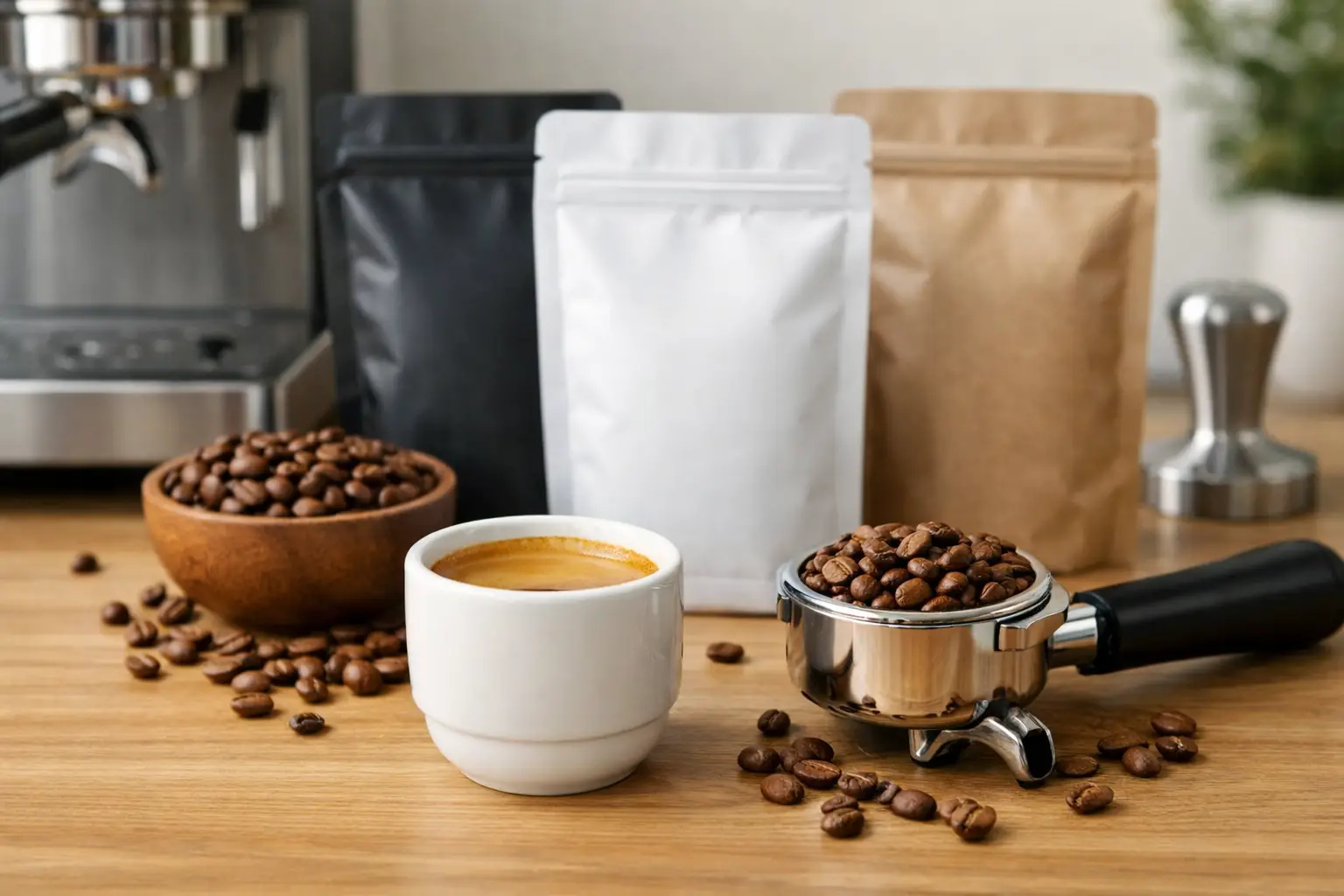
A bag labeled espresso does not automatically mean it will taste great in your cup. If you are wondering what coffee beans suit espresso, the better question is this: what kind of espresso do you want to drink or serve every day? A bright, fruit-forward shot calls for different beans than a chocolatey flat white base, and the right choice depends on both flavor goals and how much dialing-in time you can realistically spare.
What coffee beans suit espresso in real-world use
Espresso is concentrated, fast to extract, and brutally honest. Beans that seem pleasant as filter coffee can become sour, thin, or sharply bitter under espresso pressure if the roast development or solubility is not right. That is why choosing beans for espresso is less about rules and more about suitability.
For most home brewers and café operators, the most reliable espresso beans are those with enough sweetness, body, and structure to stay balanced in a short shot and still cut through milk. In practice, that usually means medium to medium-dark roasts, often built as blends rather than single origins. These beans tend to produce familiar notes like chocolate, caramel, nuts, and ripe fruit, with lower risk of aggressive acidity.
That said, there is no single correct answer. Some specialty roasters build lighter espresso profiles that can taste vibrant and complex. They can be excellent, but they are usually less forgiving. If your grinder is inconsistent, your machine runs hot, or your workflow is rushed, those coffees can be harder to keep stable from shot to shot.
Roast level matters more than the label
When people ask what coffee beans suit espresso best, roast level is usually the first place to look. Not because darker is always better, but because roast development changes how coffee behaves under pressure.
Medium roasts are the safest starting point
A well-developed medium roast often gives the best balance for espresso. You get sweetness, clear flavor separation, and enough solubility to extract without fighting the coffee. This is a strong choice for black espresso drinkers who still want versatility for milk drinks.
For cafés and businesses, medium roasts are often the practical sweet spot. They appeal to a wide range of customers, work across espresso and milk-based drinks, and are easier to dial in consistently than very light roasts.
Medium-dark roasts favor body and comfort
If your priority is syrupy texture, lower perceived acidity, and classic café flavor, medium-dark beans often perform very well. These are especially useful for lattes, cappuccinos, and mochas where the coffee needs to remain present after milk and sweetness are added.
The trade-off is that darker development can mute origin character. If the roast goes too far, sweetness drops and bitterness takes over. Good espresso beans should taste developed, not burnt.
Light roasts can work, but they ask more from you
Light-roast espresso has a loyal following for good reason. It can show floral aromas, citrus, berry notes, and a striking kind of clarity. But these coffees are less forgiving and often need tighter grind control, longer ratios, and careful temperature management.
For experienced home users, that challenge may be part of the fun. For a busy bar or anyone who wants dependable morning shots with minimal waste, a lighter espresso can become expensive in both time and coffee.
Blend or single origin?
This is where preference and purpose really matter. Blends are popular in espresso because they are built for balance. A roaster might combine one coffee for sweetness, another for crema and body, and a third for brightness. The result is a profile that feels complete and consistent.
Single-origin espresso is more specific. It can be exciting, expressive, and memorable, especially if you want to taste terroir and processing character in a focused way. The downside is that single origins can be less stable season to season and sometimes less flexible in milk.
If you are buying for a café, blend-based espresso is often the lower-risk choice for the house offering. It makes training easier, keeps customer expectations clear, and usually delivers stronger value across a broader menu. Single origins are better treated as a feature espresso or rotating option for customers who want something different.
Origin affects flavor, but not in a simplistic way
Origin can guide your expectations, though it should never replace tasting notes and roast style.
Brazilian coffees are common in espresso for a reason. They often bring chocolate, nuts, low acidity, and a round body that suits both straight shots and milk drinks. Colombian coffees can add caramel sweetness, red fruit, and balanced acidity. Many Central American coffees sit comfortably in that same useful zone of sweetness and structure.
Ethiopian and Kenyan coffees can make beautiful espresso, but they tend to be more aromatic and acid-driven, depending on roast and processing. That can be a strength if you want a lively modern profile. It can also be a mismatch if your customers expect a fuller, more traditional espresso taste.
This is why buying by origin alone can disappoint. Two Ethiopian espressos may behave very differently depending on roast level, variety, and processing method.
Processing shapes how espresso tastes in the cup
Natural and honey-processed coffees often show more fruit sweetness, heavier body, and a softer impression of acidity. In espresso, that can translate to a richer, more layered shot. Washed coffees usually taste cleaner and more precise, with more clearly defined acidity.
Neither is automatically better. For milk drinks, naturals and balanced blends often feel more generous and chocolatey. For straight espresso, washed coffees can offer excellent clarity if the roast is developed enough. Again, it depends on your target flavor and your setup.
Freshness is critical, but too fresh can be a problem
Espresso is sensitive to gas release. Beans that are only a day or two off roast can produce excessive crema, unstable flow, and uneven extraction. Beans that are too old lose aromatics and sweetness, and the shots start tasting flat.
A practical window for most espresso beans is around 7 to 30 days after roast, though some coffees peak a bit later. Dense, lighter-roasted coffees may benefit from more rest. If you run a café or buy in volume, planning around freshness matters as much as choosing the right flavor profile.
What to look for when buying espresso beans
Instead of chasing marketing terms, look for useful signals. A roast described with notes like chocolate, caramel, almond, brown sugar, or stone fruit will usually be easier to work with for espresso than one marketed only around florals or tea-like acidity. If the roaster mentions suitability for milk drinks, that is also a practical clue.
Pay attention to whether the coffee is sold as an espresso blend, a single origin intended for espresso, or a filter roast that can be adapted. Those are not rigid categories, but they tell you how much work you may need to do at the grinder.
For business buyers, consistency is not a small detail. A coffee that tastes impressive once but changes dramatically across batches can create waste and slow down service. Dependable supply, clear roast information, and responsive support matter just as much as cup quality.
The best beans for espresso depend on the drink
For straight espresso
Choose beans with enough sweetness and structure to taste concentrated without becoming harsh. Medium roasts and well-developed single origins can work especially well here, depending on whether you prefer classic chocolate notes or brighter fruit complexity.
For milk-based drinks
Beans with more body and lower acidity usually perform best. Medium to medium-dark blends are the standard because they remain recognizable through milk. Chocolate, nut, caramel, and cocoa notes are especially reliable.
For high-volume café service
Forgiving coffees win. You want stable extraction, broad customer appeal, and a profile that still tastes good even when a shot runs a little fast or slow. That usually means a balanced espresso blend, not an ultra-light experimental coffee.
Common mistakes when choosing espresso beans
One of the biggest mistakes is assuming expensive or rare beans will make better espresso. Price can reflect scarcity, processing, or origin prestige, but that does not guarantee balance in the cup. Another mistake is buying very dark beans because they seem “strong.” Strength in espresso comes from extraction and ratio, not burnt roast flavor.
A third mistake is ignoring your equipment. A capable grinder gives you more freedom to use lighter or more complex coffees. If your grinder is entry-level, a more soluble medium roast will usually deliver better results with less frustration.
For many buyers, the smartest move is to start with a dependable, well-developed espresso blend, then branch out. That approach keeps the baseline solid while giving you room to test more distinctive coffees later.
At Auresso, that is often the difference between a bag that sounds exciting and one that actually earns a repeat order. The best espresso beans are not the most fashionable ones. They are the beans that suit your machine, your drinks, and the people you are serving cup after cup.