

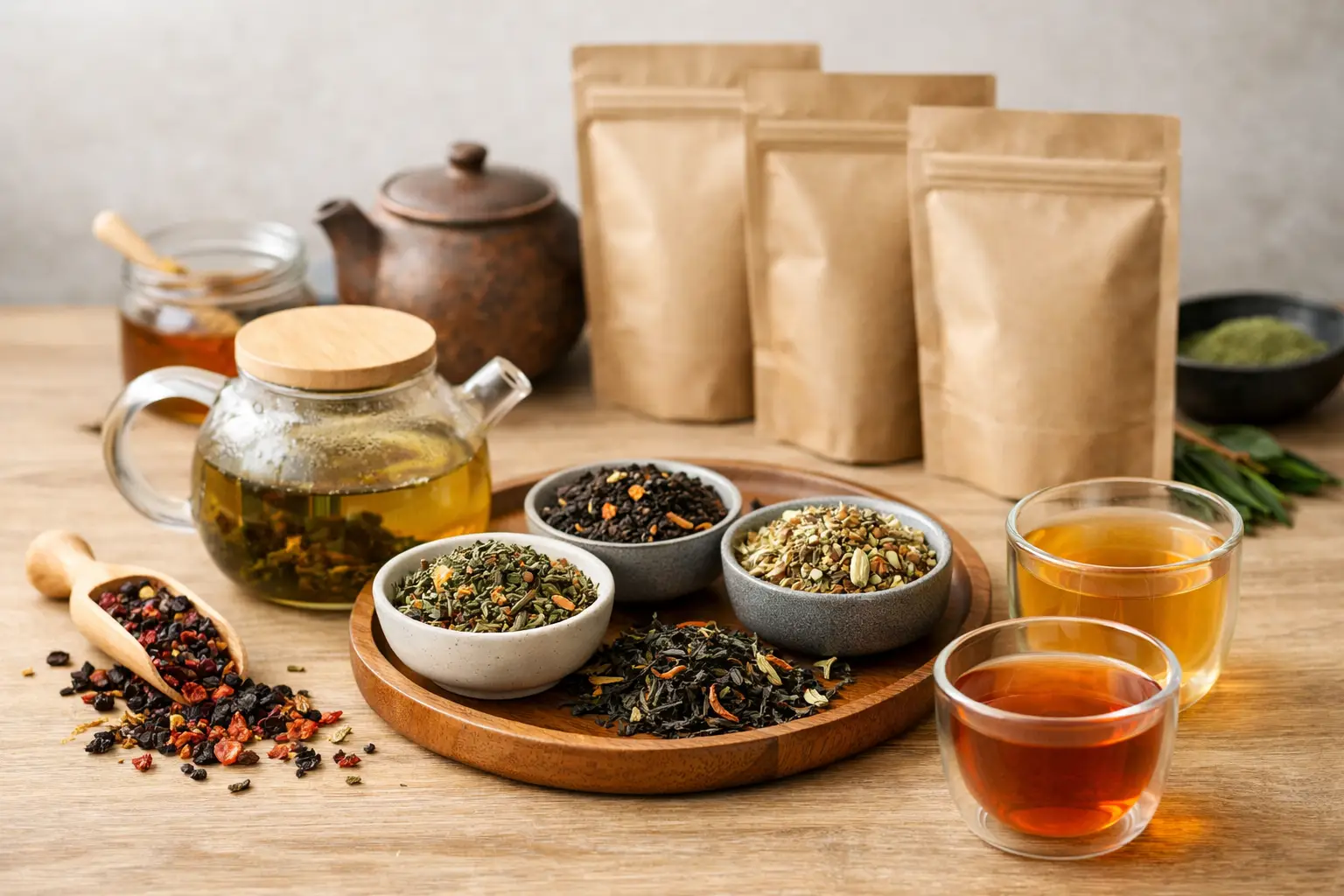
If you have ever opened a bag of fresh tea and caught a clean floral note instead of a flat, dusty smell, you already know why the best organic loose leaf teas stand apart. Better leaf size, clearer flavor, and more reliable sourcing all show up in the cup. For home brewers, that means a more satisfying daily ritual. For cafes and beverage programs, it means a product that tastes intentional rather than like an afterthought.
Organic matters here, but not for marketing reasons alone. In tea, the leaf is the product. You are steeping the plant directly, so cultivation and processing have an obvious impact on aroma, clarity, and consistency. Loose leaf matters for similar reasons. Whole or larger leaf grades generally brew with more character and less bitterness than the fine particles often found in lower-grade tea bags.
What makes the best organic loose leaf teas worth buying
The short answer is flavor, but flavor is only part of the buying decision. Good organic loose leaf tea should also give you dependable performance from batch to batch, whether you are brewing one mug at home or preparing a full-service setup for customers.
A strong tea choice usually gets four things right. First, the dry leaf should look intentional – not crushed into dust, not overloaded with stems, and not artificially perfumed to compensate for weak base tea. Second, the brewed cup should match the style you expect. A jasmine green should smell fresh and soft, not sharp or candy-like. An Assam should feel full and malty, not rough and muddy. Third, the tea should be easy to brew well. Precision helps, but quality tea should not punish small timing mistakes. Fourth, the supplier should be clear and reliable. That matters even more for wholesale buyers who need continuity, not one great batch followed by two disappointing ones.
Best organic loose leaf teas by type
There is no single best tea for everyone. The right choice depends on whether you want something brisk, floral, earthy, low in caffeine, or easy to serve across a broad customer base. These are the categories that consistently earn a place in serious home tea shelves and cafe menus.
Organic English Breakfast
If you want one dependable black tea that covers the most ground, start here. A good organic English Breakfast is bold enough for milk, structured enough to drink plain, and familiar enough for nearly any guest. This is one of the safest teas for cafes because customers already understand it, and it holds up well in both pot service and iced tea formats.
The trade-off is that quality varies a lot. Some breakfast blends taste flat and aggressively tannic. Better versions bring body without turning harsh, with notes of malt, toast, and a light sweetness. For home use, this is the tea that earns repeat brewing because it fits mornings, afternoon breaks, and easy hosting.
Organic Assam
Assam is the black tea to choose when you want richness and depth. It is typically fuller and more malty than a standard breakfast blend, making it especially strong with milk. For cafes, Assam can anchor a premium chai base or serve customers who want a more assertive black tea.
It does have a narrower audience than a balanced breakfast blend. Brew it too long and it can become heavy. But when sourced well, organic Assam delivers a satisfying, serious cup that feels substantial rather than aggressive.
Organic Darjeeling
Darjeeling is often the tea people buy after they realize black tea does not have to be heavy. It tends to be lighter in body, more aromatic, and sometimes gently muscatel or fruity. If Assam is your hearty everyday option, Darjeeling is the more nuanced afternoon pour.
For retail customers, it is a strong upgrade choice. For cafes, it works best where staff can communicate what makes it special. It is not always the highest-volume seller because it asks the drinker to slow down a little. Still, among the best organic loose leaf teas, Darjeeling remains one of the most rewarding when freshness and leaf quality are right.
Organic Jasmine Green Tea
A well-made jasmine green tea is one of the easiest teas to love. It is fragrant, clean, and approachable, with floral character that comes from scenting the tea with jasmine rather than masking it. This style performs well in hot service and can be excellent iced when brewed with care.
The caution is simple: poor jasmine tea often smells louder than it tastes. You want balance, not perfume. The green tea base should still be present, giving the cup freshness and structure under the floral top note.
Organic Sencha or Green Tea Blend
For customers who want a daily green tea without too much complexity, an organic sencha or similar green tea blend is a smart buy. It suits health-focused drinkers, office pantry use, and cafes looking for a recognizable green tea that can move consistently.
Green tea is less forgiving than black tea, so quality and brewing guidance matter. Water that is too hot can flatten sweetness and push bitterness forward. When brewed properly, though, it gives a clean, grassy, lightly savory cup that feels refreshing rather than heavy.
Organic Oolong
Oolong sits between green and black tea, which is exactly why many tea drinkers end up loving it. It can be floral and creamy, or roasted and warm, depending on style. For a menu that needs variety without carrying too many SKUs, oolong adds range.
It is not always the entry point for casual tea drinkers, but it is a strong choice for shops that want to elevate their tea program beyond the basics. At home, it is excellent for people who enjoy complexity but do not want the intensity of some black teas.
Organic Chamomile
Chamomile is technically an herbal infusion, but it belongs in this conversation because it is one of the most reliable non-caffeinated options for both home and foodservice. A good organic chamomile should smell sweet and apple-like, with a calming, rounded finish.
This is one of those products where whole flowers or larger cuts make a visible difference. The cup looks cleaner, the aroma is more natural, and the flavor feels less dusty. For cafes, chamomile is almost a requirement if you serve evening guests or caffeine-sensitive customers.
Organic Peppermint
Peppermint is another herbal staple that consistently performs. It is bright, cooling, and simple to understand, which makes it easy to recommend. It also works well after meals, so restaurants and cafes often get more mileage from it than expected.
The best versions taste vivid and sweet on their own, not stale or medicinal. Because it is naturally expressive, this is a good tea for buyers who want a low-risk, high-satisfaction herbal option.
How to choose the best organic loose leaf teas for home or business
If you are buying for home, start with your real drinking habits rather than your ideal ones. A delicate single-origin tea may sound impressive, but if you usually want something fast and reliable before work, a strong breakfast blend or jasmine green is probably the better purchase. Build around one daily tea, one lighter or more aromatic option, and one caffeine-free tea you actually enjoy.
If you are buying for a cafe or beverage program, think in terms of menu fit and service consistency. The best organic loose leaf teas for retail shelves are not always the best for high-volume operations. You want teas that brew predictably, appeal to your customer base, and justify their footprint in storage and training. In many cases, a tight range beats a large one. A black tea, a green tea, a floral option, and an herbal caffeine-free option will cover most demand without slowing service.
Price matters too, but value is the better lens. A cheaper tea that overbrews easily, produces inconsistent cups, or leaves customers unimpressed is not actually saving money. Better leaf quality often stretches further because the flavor is clearer at proper brew ratios.
Signs of quality before you brew
You can learn a lot from the dry leaf. Look for visible shape, color consistency, and an aroma that feels natural. Black teas should smell fresh and full. Green teas should smell clean, not overly grassy in a dull way. Herbal teas should smell like the plant itself, not like added fragrance.
Packaging matters more than many buyers realize. Tea loses character when exposed to heat, moisture, and air. A reliable supplier will treat freshness as part of product quality, not as an afterthought. This is one reason many buyers prefer a curated beverage partner instead of piecing together orders from multiple sources.
Brewing makes or breaks a good tea
Even the best tea can taste average if brewed carelessly. Black teas usually benefit from hotter water and slightly longer steeping. Green teas need lower temperatures and more restraint. Herbals can take a longer infusion without much risk. If you are serving customers, standardized brew guidance is not optional. It protects cup quality and helps staff deliver consistency.
For iced tea, avoid the temptation to simply brew hot tea and drown it in ice. Stronger ratios can work, but balance still matters. A tea that tastes expressive hot may become thin when chilled, so some styles perform better than others. English Breakfast, jasmine green, and peppermint are often strong candidates because their character remains clear in cold service.
A practical starting point
For most buyers, the smartest tea lineup is not the most exotic one. Start with an organic English Breakfast or Assam for body, a jasmine or sencha for freshness, and chamomile or peppermint for caffeine-free range. From there, add Darjeeling or oolong if your customers or your own palate are asking for more nuance.
That approach fits how people actually buy and drink tea. It also reflects how a dependable supplier like Auresso thinks about beverage quality – not just what sounds premium on paper, but what delivers in the cup, every day. Choose tea you will want to brew again tomorrow, because that is usually the one worth stocking today.