

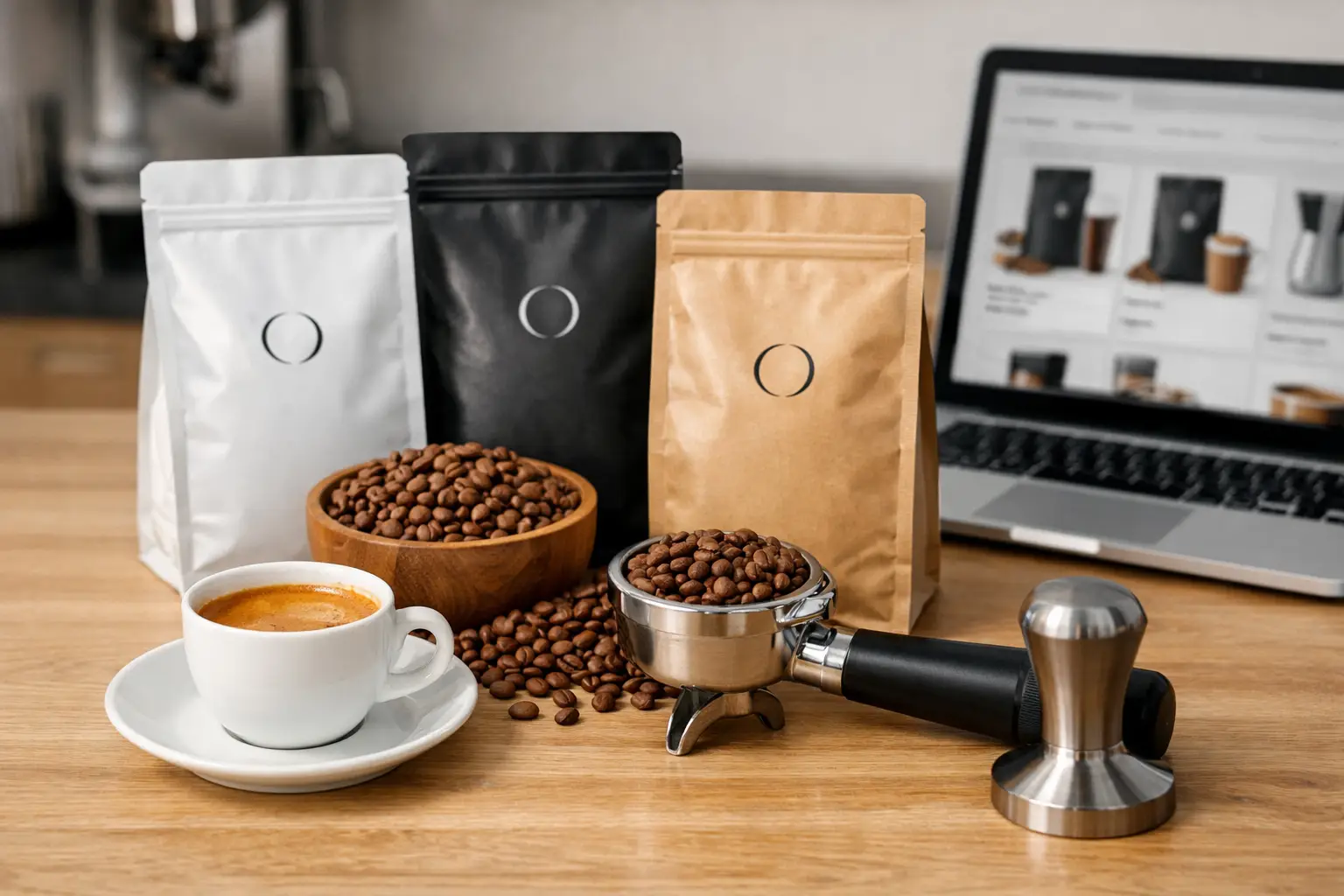
The first bad sign usually shows up before the shot even starts. Beans look oily, the grind clumps, the flow runs too fast or chokes the machine, and what lands in the cup tastes flat, sharp, or strangely hollow. That is why buying home espresso beans online is not just about picking a bag with a nice label. Espresso is demanding. The bean has to suit your machine, your grinder, and the kind of cup you actually want to drink every morning.
For home brewers, that pressure can make online shopping feel hit or miss. But it does not have to be. Once you know what details matter and which ones are mostly noise, it becomes much easier to buy with confidence and get café-quality results at home.
What matters most when buying home espresso beans online
The biggest mistake is shopping for espresso beans as if there is one universal style. There is not. Some coffees are developed for syrupy, chocolate-forward shots with low acidity and easy milk pairing. Others are roasted lighter for clarity, fruit, and floral character. Both can work for espresso, but they behave very differently in the grinder and in the cup.
Start with your preference, not with trends. If you mostly drink cappuccinos or lattes, a medium to medium-dark roast with chocolate, nuts, and caramel notes is often the safer choice. Those flavors stay present through milk and usually dial in faster. If you drink straight shots or Americanos, you may enjoy a lighter espresso roast, but expect a narrower dialing-in window and a more demanding workflow.
Freshness matters, but so does timing. Very fresh coffee is not always ideal for espresso on day one or two after roasting because excess gas can make extraction unstable. In many cases, beans rest best for several days before they settle into a more consistent shot. When buying online, roast date is more useful than broad claims like fresh roasted. You want enough transparency to know whether the coffee is in its sweet spot or likely to arrive too old.
How to read a product page for home espresso beans online
A strong product page should help you predict how the coffee will brew, not just persuade you to add it to cart. Flavor notes are useful, but they need context. Chocolate, stone fruit, citrus, brown sugar, and spice all point to very different espresso experiences.
Look closely at roast level, processing method, and origin. Roast level gives you the broadest clue about body and solubility. A washed coffee may present cleaner and brighter, while a natural process can bring more fruit and sweetness. Origin can hint at profile too, but it should not be treated as a shortcut. A Brazil from one roaster and a Brazil from another can taste quite different depending on roast development.
Blend versus single origin is another practical choice. Espresso blends are often built for balance and consistency. They can be easier to dial in and more forgiving across different machines. Single origins can be exciting and distinctive, but they may shift more from crop to crop and ask more from the user. If your priority is reliable daily espresso, a well-built blend often gives better value.
Ratings and repeat customer feedback can also tell you what the official tasting notes do not. If many buyers mention that a coffee works especially well in milk or is easy to extract on home equipment, that is useful information. The same goes for comments about excessive oiliness, inconsistency, or stale arrival.
Roast level is not just about taste
Many buyers choose roast level based on flavor alone, but roast level also changes how coffee behaves. Darker beans are usually more soluble, which can make extraction easier, but very dark roasts can turn ashy, lose sweetness, and create more oily residue in grinders. Lighter roasts preserve origin character, but they often require a capable grinder, better temperature stability, and more careful puck prep.
That is where trade-offs matter. If you own an entry-level espresso machine and a basic grinder, chasing a very light Nordic-style espresso roast may become frustrating fast. You are not choosing the wrong coffee because your palate is not advanced enough. You may simply be using a coffee that demands more precision than your setup can provide.
For many home users, medium roasts are the sweet spot. They offer sweetness, crema, and enough structure for milk drinks without becoming one-dimensional. They are also usually more forgiving when your grind size or dose is not perfect.
Match the beans to your grinder before your machine
This part gets overlooked all the time. A capable grinder affects espresso quality more than many machine upgrades. So when shopping for home espresso beans online, think about how fine and consistently your grinder can grind.
If your grinder struggles with uniformity, choose beans that are easier to work with. Medium-roast espresso blends tend to be more forgiving than ultra-light single origins. They can still produce excellent shots without forcing constant micro-adjustments. If you already have a strong grinder and know how to dial by taste, you can explore more complex coffees with confidence.
Bean density also changes the workflow. Lighter coffees are denser and often need a finer grind. Darker coffees are more brittle and can move faster. If you have ever wondered why one bag suddenly required major grinder changes, that is often the reason.
Price, value, and what you are really paying for
The cheapest bag is rarely the best value if half of it becomes sink shots. At the same time, the most expensive option is not automatically the best espresso coffee for your home bar. Value comes from repeatable performance, flavor you enjoy, and enough freshness and support to make the purchase worth repeating.
Imported roasters, limited lots, and competition-style coffees can be excellent, but they are not always the practical choice for everyday home use. A dependable espresso blend from a supplier with strong turnover, clear product details, and fast shipment often delivers a better daily experience. For buyers in Malaysia and Singapore, curated access to respected roasters without inflated courier costs can make a real difference, especially when freshness and landed price both matter.
This is also where a broad supplier helps. If you can compare roast styles, origins, and espresso-friendly blends in one place, you spend less time gambling and more time refining your setup. That practical convenience matters just as much as cup score when you are buying regularly.
Common mistakes when ordering home espresso beans online
One common mistake is buying too much before testing. Espresso beans can change noticeably over time, and your preferences may not match the tasting notes. Unless you already know the coffee works for you, it is smarter to start smaller.
Another mistake is chasing only crema. Crema looks appealing, but it does not guarantee sweetness, balance, or body. Fresh coffee, roast level, and bean composition all affect crema. Treat it as one signal, not the goal.
Many buyers also ignore brew style. A coffee that is excellent for pour-over will not always shine as espresso. If a roaster describes a coffee as suitable for filter, that does not mean it is the best fit for pressure-based extraction. Look for coffees that are clearly positioned for espresso or have flavor notes that make sense for how you drink coffee.
Finally, do not overlook rest time after delivery. If the bag arrives very fresh, give it a few days if the shots are wild and gassy. Good beans can taste disappointing simply because they were brewed too soon.
A smarter way to choose your next bag
If you want a low-risk approach, choose by drink preference first. For milk drinks, look for medium or medium-dark espresso blends with chocolate, caramel, nuts, or brown sugar notes. For straight espresso, consider medium roasts with fruit or floral character if your grinder and technique are solid.
Then check the basics that actually affect results: roast date, roast level, blend or single origin, and customer feedback. After that, consider whether the seller gives you enough confidence on quality assurance, stock turnover, and shipment speed. Those details are not extra. They are part of the coffee experience.
Auresso’s kind of curated, product-led selection works well because it reduces unnecessary guesswork. When beans are organized around use case, roast profile, and trusted buyer feedback, home users and café operators can make faster, better decisions.
Good espresso at home is rarely about finding a magic bean. It is about finding beans that match your taste, your equipment, and your routine well enough that making a great shot feels repeatable instead of lucky.