

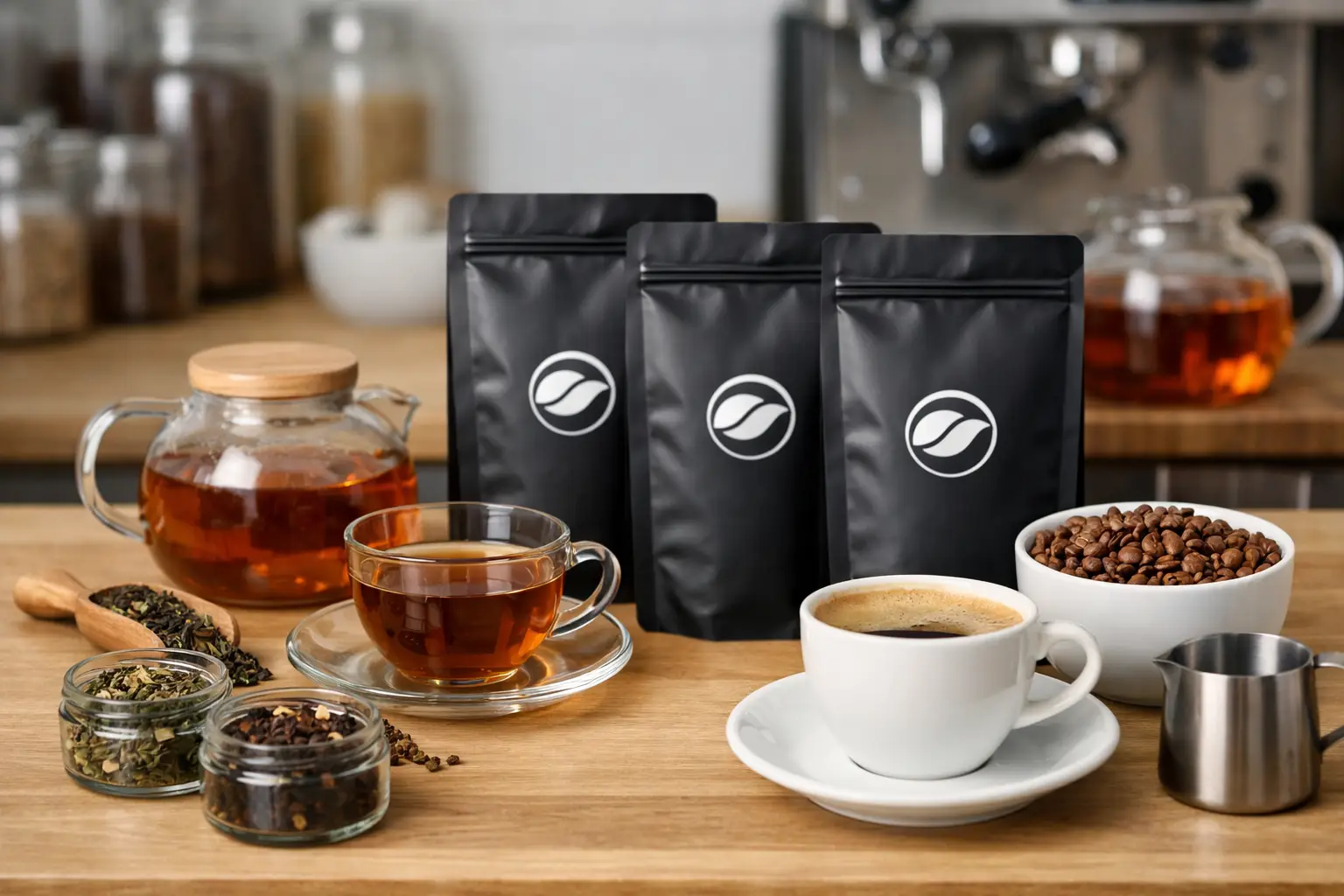
A tea menu can look simple on paper, then quietly become one of the hardest parts of café purchasing. A blend tastes great in the sample box, but the second shipment is different. A supplier offers good pricing, but lead times slip. A premium tea sounds impressive, but your customers keep ordering the safer option. If you are figuring out how to choose cafe tea supplier partners, the real job is not just buying tea. It is protecting drink quality, margins, and day-to-day service.
For most cafés, tea should not be treated as an afterthought next to coffee. It reaches a different customer, gives non-coffee drinkers a reason to return, and can lift average ticket size when paired with desserts or brunch items. The right supplier helps you build that part of the menu with consistency. The wrong one creates waste, staff confusion, and too many substitutions.
How to choose cafe tea supplier for your menu
Start with your café concept, not the supplier catalog. A brunch café serving broad daytime traffic needs approachable black tea, green tea, chamomile, peppermint, and possibly matcha or chai for latte-style drinks. A specialty café with a more educated customer base may have room for single-origin loose-leaf teas, seasonal selections, or higher-end ceremonial-grade matcha. If your supplier cannot support the kind of menu you actually need, the relationship will feel mismatched from the start.
This is where many buyers get distracted by novelty. Rare teas and attractive packaging can be useful, but they should support sales rather than just look good on a shelf. Ask whether the supplier can cover your core menu first, then whether they offer room to grow. A dependable range matters more than one standout item.
The best suppliers usually make menu planning easier. They can explain which teas move fastest, which formats suit high-volume service, and where premium options are worth the extra cost. That guidance matters, especially for smaller operators who do not have time to test ten versions of the same Earl Grey.
Quality has to be measurable
Good tea quality should be visible in the cup, not only in marketing language. Ask for samples and evaluate them as you would any café product. Look at aroma, leaf appearance, liquor color, clarity, and finish. Brew the same tea more than once. If quality only shows up under perfect conditions, that is a warning sign for a busy bar.
Consistency matters just as much as absolute quality. A café needs tea that tastes the same across weeks and months. Your regular customer should not notice that one chamomile is sweeter or one English breakfast is flatter than the last batch. Ask suppliers how they manage sourcing, batch control, and substitutions when a harvest or import issue affects stock.
If you plan to offer organic tea, wellness-positioned blends, or premium loose leaf, ask for specifics rather than broad claims. Certifications, origin details, and ingredient transparency can strengthen customer trust, but only if your supplier can provide them clearly.
Format affects speed, labor, and waste
One of the most practical decisions in how to choose cafe tea supplier relationships is choosing the right product format. Loose-leaf tea can create a stronger specialty impression and often delivers better cup quality. It also takes more staff attention, better portion control, and the right brewing tools. Pyramid sachets and quality teabags are often easier for fast-moving cafés that need consistency with less training.
There is no universal best choice. If your team is small and service is fast paced, a high-quality sachet line may outperform a loose-leaf program simply because execution is better. If your café already leans into craft preparation and table service, loose leaf may fit naturally. The supplier should be able to support the format you can run well, not the one that sounds most premium.
This also applies to matcha, hojicha, and chai. These products can be excellent margin drivers, but only if the supplier offers products that dissolve well, taste balanced, and stay consistent in milk-based drinks. A sample that works in water but disappears in a latte is not good enough for café use.
Pricing should make sense beyond the first order
A low price can hide expensive problems. If tea quality is weak, you may need to over-portion. If packaging is inconvenient, staff may waste product. If stockouts are frequent, you end up buying emergency replacements at higher cost. A good supplier helps protect total operating cost, not just invoice price.
When comparing quotes, look at pack size, yield per serving, shipping reliability, minimum order requirements, and whether wholesale pricing stays stable at your volume. A supplier with slightly higher unit pricing may still be the better commercial choice if quality is stronger and lead times are dependable.
It also helps to think in menu terms. If a tea costs a bit more but supports a better selling price and stronger customer perception, that can improve margin rather than hurt it. On the other hand, paying for prestige no one notices is rarely a smart café decision.
Support matters more than most buyers expect
Tea is easier to sell when staff know what they are serving. A supplier who can advise on brew times, portioning, menu descriptions, food pairing, and drink applications adds real value. This is especially useful if tea is a smaller part of your business and your team’s product knowledge is stronger in coffee.
Responsive support also becomes important when things go wrong. Late shipments, damaged cases, discontinued products, and seasonal shortages happen. What matters is whether your supplier communicates early and offers practical alternatives. You want a partner who solves problems quickly, not one who disappears after the sale.
For cafés in Malaysia and Singapore, this can be especially relevant if part of your tea range includes imported products. A supplier with curated access and reliable local fulfillment can reduce the usual friction around freight cost, delivery time, and fragmented ordering.
Reliability is a product feature
Many café owners focus hard on flavor and price, then underestimate operational reliability. A tea supplier should have clear stock availability, reasonable reorder systems, and realistic shipping timelines. If your menu lists a sencha, masala chai, and peppermint tea, those products need to be available consistently enough that customers and staff can trust the menu.
Ask direct questions. What are the usual lead times? Which items are regularly stocked versus special order? How often do products go out of stock? Are there equivalent substitutes if needed? Dependable supply is not glamorous, but it protects sales and keeps your team from wasting time rewriting menus.
This is one reason many operators prefer working with a beverage supplier that can cover multiple categories. If your tea, coffee, powders, and café ingredients can be sourced through one reliable partner, ordering becomes simpler and stock planning gets easier.
How to choose cafe tea supplier without overcomplicating it
If two suppliers both offer good tea, choose the one that makes your business easier to run. That usually means clearer communication, stronger product curation, practical pack sizes, consistent fulfillment, and better commercial logic. A supplier should reduce friction, not create more of it.
It also helps to avoid building a tea menu that your supplier can barely support. Five excellent, well-executed teas will usually outperform a long list full of overlap and weak sellers. The right supplier should be comfortable helping you narrow the range, not just upsell more SKUs.
If you are reviewing samples, involve the people who actually make and serve the drinks. Owners often buy based on concept, while staff notice preparation issues, extraction inconsistency, and customer-facing friction. Both perspectives matter.
Auresso’s approach in this space reflects what many café buyers are really looking for – a dependable, value-conscious supply partner with breadth across tea, matcha, chai, and café beverage ingredients, not just a seller of individual products. That kind of range can be useful when you want to simplify sourcing without compromising quality.
Questions worth asking before you commit
Before opening an account, ask a short set of practical questions. Request samples of your likely core teas. Confirm wholesale pricing tiers and minimum orders. Check whether the supplier supports your preferred format, whether teabags, loose leaf, or powdered tea products. Ask how they handle stockouts and what their normal delivery schedule looks like. If they cannot answer these clearly, expect more confusion later.
You should also test whether the teas fit your actual service style. Brew them during a busy period, not just in a calm tasting session. See how staff handle them, how quickly drinks can be prepared, and whether the result still feels good enough to charge full menu price.
A strong tea supplier is not necessarily the one with the biggest catalog or the most premium story. It is the one that helps your café serve tea consistently, profitably, and without unnecessary hassle. Choose the partner that fits your menu, your workflow, and your standards. Your customers will notice it one cup at a time.