

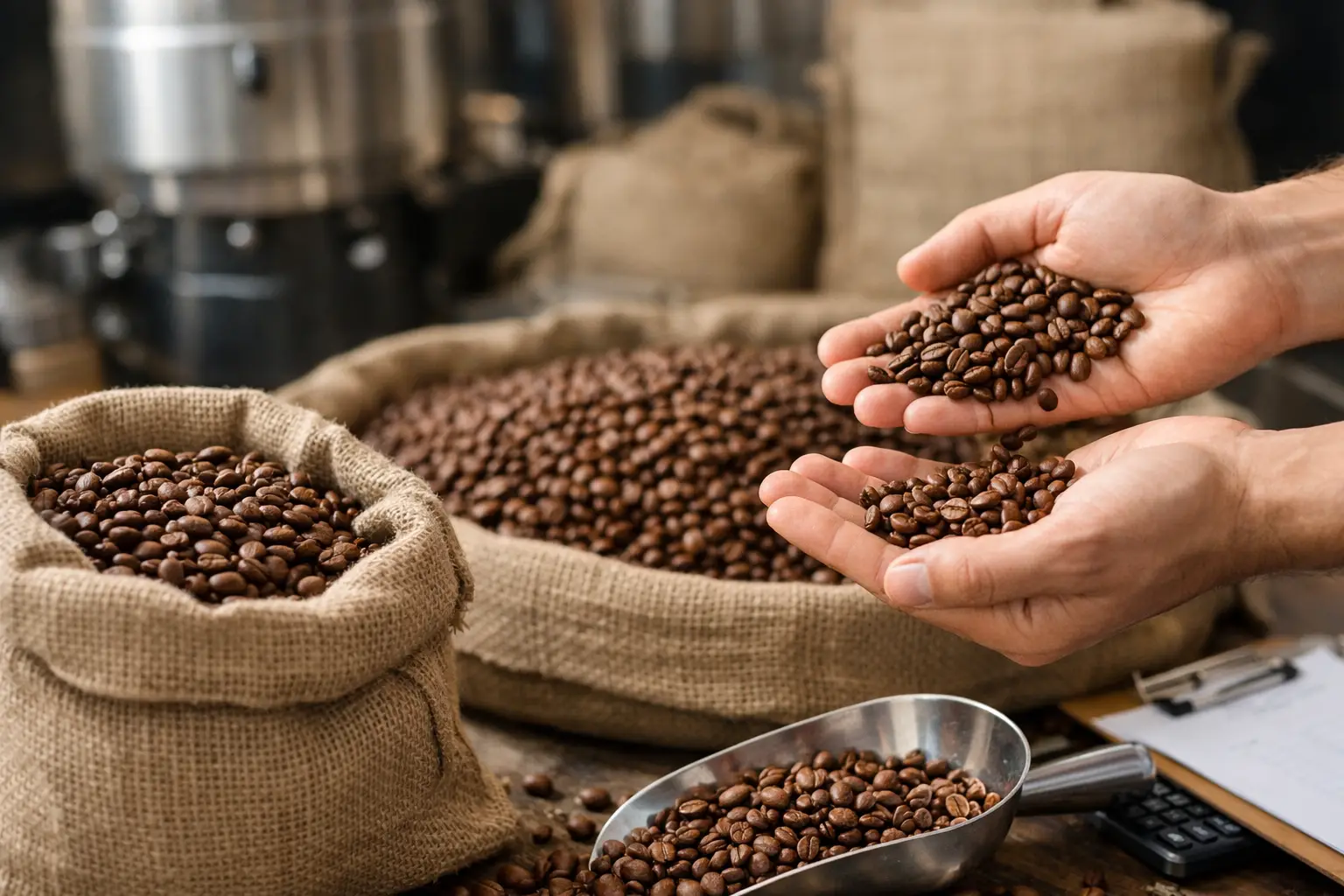
How to Store Coffee Beans to Preserve Freshness and Flavor
If you’ve ever brewed a cup of coffee that tasted flat, dull, or just off, there’s a good chance the beans weren’t stored properly. How to store coffee beans correctly is one of the most overlooked parts of the coffee experience, yet it has a direct impact on the flavor in your cup. Whether you’re running a busy café in Kuala Lumpur or brewing at home, getting your storage right can mean the difference between a rich, aromatic cup and something disappointingly average.
At Auresso, we work closely with cafés, restaurants, and coffee lovers across Malaysia and beyond. We’ve seen firsthand how poor storage habits quietly destroy quality beans. This guide covers everything you need to know about coffee bean storage, from the right containers to the ideal environment, and what to avoid.
Why Proper Coffee Bean Storage Matters
Coffee beans are surprisingly sensitive. Once roasted, they begin a slow process of degradation driven by four main enemies: oxygen, light, moisture, and heat. Understanding what each of these does to your beans helps explain why proper storage is so important.
Oxygen is the biggest threat. When roasted coffee is exposed to air, oxidation begins almost immediately, breaking down the aromatic compounds responsible for coffee’s complex flavor. At the same time, roasted beans naturally release carbon dioxide in a process called degassing. This is actually a good thing in small amounts right after roasting, but once the CO2 is gone, oxygen moves in and staling accelerates quickly.
Moisture triggers a different kind of damage. Water causes the bean’s cell structure to break down and promotes the growth of mold and off-flavors. Heat speeds up nearly every chemical reaction inside the bean, meaning that beans stored in warm environments lose their freshness far faster than those kept cool. Light, particularly UV light, also accelerates oxidation, which is why beans stored on a sunny counter lose flavor much faster than those kept in a dark cupboard.
For commercial operations like cafés and restaurants, these factors aren’t just a quality concern. They directly affect consistency, customer satisfaction, and ultimately, your bottom line.
What Happens to Coffee Beans When Stored Incorrectly?
Poor storage has very real, very noticeable effects on your coffee. Staleness is the most common result, and it shows up in the cup as a flat, lifeless taste with little to no aroma. The vibrant notes that define a well-roasted bean, whether fruity, nutty, chocolatey, or floral, are among the first things to disappear when beans are exposed to air or heat.
Beyond staleness, incorrect storage can lead to the development of off-flavors. Beans absorb odors from their surroundings, so storing them near spices, cleaning products, or strong-smelling food will leave a detectable trace in your brew. This is a common problem in commercial kitchens where storage space is shared.
According to research on coffee chemistry, ground coffee can begin to lose noticeable flavor within 15 to 30 minutes of grinding when left exposed. Whole beans fare better, but still begin to degrade meaningfully within a week or two of opening the bag if not stored correctly. For high-volume operations purchasing in bulk, the losses can be significant if storage protocols aren’t in place.
Best Containers for Storing Coffee Beans
The container you choose plays a major role in how long your beans stay fresh. Not all containers are equal, and the wrong choice can accelerate the very degradation you’re trying to prevent.
Airtight Containers and Vacuum-Sealed Options
The best containers for coffee bean storage are airtight and made from materials that don’t interact with the beans. Ceramic containers with rubber-sealed lids are an excellent choice. They block light, don’t absorb odors, and maintain a consistent internal environment. Stainless steel containers with airtight lids are similarly effective and are popular in commercial settings for their durability.
Glass containers can work well, but only if they have UV-protective coating or are stored away from light entirely. Plain clear glass on a countertop offers almost no protection against oxidation from light exposure. Vacuum-sealed containers go one step further by actively removing oxygen from the storage environment. These are particularly useful for specialty coffee or when you’re storing beans you won’t use for a week or more.
What to avoid: plastic containers, even airtight ones, can absorb odors over time and may interact with the natural oils in the beans. Thin-walled containers also offer little protection against heat fluctuations.
Should You Keep Coffee Beans in Their Original Packaging?
Many premium roasted coffees, including the beans available through Auresso, come in valve bags. These bags have a one-way valve that allows CO2 from the freshly roasted beans to escape without letting oxygen in. For beans that are being used within one to two weeks of opening, keeping them in the original valve bag, tightly rolled and clipped at the top, is a perfectly reasonable approach.
However, once the bag is opened repeatedly, the seal becomes less effective. For cafés and restaurants going through multiple kilograms per week, transferring beans into a dedicated airtight container after opening makes more sense. This protects the beans from the repeated air exposure that comes with opening and closing the bag several times a day. For retail customers buying smaller quantities, the original bag is usually fine as long as it’s sealed well between uses.
Ideal Environmental Conditions for Coffee Storage
Even the best container won’t help if the environment around it is working against you. Temperature and humidity are just as important as the container itself.
Temperature and Humidity Requirements
The ideal temperature range for storing roasted coffee beans is between 15°C and 25°C. Below 15°C, you risk condensation issues, especially if beans are moved in and out of cold storage frequently. Above 25°C, chemical degradation accelerates noticeably, which is a real concern in Malaysia’s tropical climate where ambient temperatures can regularly exceed 30°C.
For Malaysian businesses and home brewers, this means that simply leaving beans on a kitchen shelf or café counter is often not enough. Finding a genuinely cool, temperature-stable spot is worth the effort. A dedicated cool room, an air-conditioned storage area, or even a cool cabinet away from cooking equipment can make a meaningful difference.
Humidity is equally important. The recommended relative humidity for coffee storage is below 60%. Malaysia’s average humidity sits well above that for much of the year, sometimes reaching 80 to 90%. This makes sealed, airtight containers even more critical here than in cooler, drier climates. Even a small amount of moisture entering the storage container can accelerate staling and promote mold growth, particularly with ground coffee.
Light Exposure and Its Impact on Bean Quality
Light, especially UV light, triggers photo-oxidation in coffee beans, which rapidly degrades both aroma compounds and flavor complexity. Even indirect sunlight or prolonged exposure to artificial lighting can have a measurable effect over days and weeks.
The practical takeaway is straightforward: store your coffee in a dark place. A closed cabinet, a drawer, or an opaque container works well. Avoid decorative glass jars on sunny windowsills or open shelving under fluorescent lights. For cafés that like to display their beans as part of the aesthetic, consider using smaller display quantities while keeping the bulk of your stock properly stored out of the light.
Should You Refrigerate or Freeze Coffee Beans?
This is one of the most debated questions in coffee storage, and the short answer is: room temperature is almost always better for everyday use, but freezing has a specific and valid use case for long-term storage.
Refrigeration is generally not recommended. The main problem is condensation. When you take cold beans out of the fridge and expose them to warm, humid air, moisture forms on the surface of the beans. This repeated cycle of cold and warm introduces moisture, which accelerates staling rather than preventing it. Fridges are also full of strong odors that beans absorb readily. Unless your fridge is completely odor-free and you never open the container at room temperature, refrigeration does more harm than good.
Freezing is a different story when done correctly. If you’ve purchased a large quantity of beans and won’t use them all within three to four weeks, dividing them into small, single-use portions and sealing them tightly before freezing can preserve freshness for up to two to three months. The key is to freeze in airtight portions and never refreeze beans once thawed. Take out only what you need, let it come to room temperature in the sealed bag before opening, and use it fully.
For cafés and high-volume operations in Malaysia managing large stock, this portioning approach can be a practical solution as long as the process is handled consistently.
How Long Do Coffee Beans Stay Fresh?
Freshness isn’t a fixed date. It’s a window, and understanding that window helps you buy smarter and brew better.
Whole Beans vs Ground Coffee Shelf Life
Whole beans hold their freshness significantly longer than ground coffee. A sealed bag of whole roasted beans has a general shelf life of around six to twelve months from the roast date, though peak flavor is typically found in the first four to eight weeks. Once opened, whole beans are best consumed within two to four weeks for optimal taste.
Ground coffee degrades much faster because grinding dramatically increases the surface area exposed to oxygen. Pre-ground coffee begins losing its best flavors within days, and many coffee professionals consider it stale after just 30 minutes if left open. For the best cup, grind your beans just before brewing. This is advice that both home brewers and café operators should take seriously. Investing in a quality grinder pays dividends in every single cup.
Roast Date vs Expiration Date: What You Need to Know
The roast date is the most important date on a bag of coffee. It tells you when the beans were roasted, which is the starting point for freshness. The general guidance among specialty coffee roasters is that beans are at their best between 7 days and 4 weeks post-roast, after the initial degassing period has passed. Between 4 and 8 weeks, the flavor is still good but beginning to fade. Beyond 8 to 12 weeks, you’ll notice a marked drop in complexity and aroma.
The expiration or best-before date printed on bags is often set much further out, sometimes up to 12 to 18 months. This is a food safety date, not a flavor guarantee. For anyone serious about coffee quality, the roast date is the number to track. When purchasing from Auresso, you can expect clearly marked roast dates and freshly roasted stock managed with quality and rotation in mind.
Storage Best Practices for Cafés and Restaurants
High-volume coffee operations face storage challenges that home brewers simply don’t. The volume of beans, the pace of consumption, and the number of people handling stock all create opportunities for quality to slip.
The FIFO method, which stands for First In, First Out, is the foundation of good inventory management for any café or restaurant. Newer stock always goes behind older stock, ensuring the oldest beans are always used first. This single habit prevents the common problem of a bag getting pushed to the back of a shelf and forgotten until it’s well past its best.
For daily operations, it helps to portion out what you’ll need for each service period rather than keeping the entire bag open on the counter. Measure out your working quantity for the morning rush, keep it in a small airtight container at the grinder, and keep the rest sealed and stored properly. This minimizes the number of times the main storage container is opened.
Bulk storage areas should be cool, dry, and dark. In Malaysian climates, an air-conditioned storeroom is preferable to a general kitchen storage area. If your storage space gets warm during the day, a dedicated cool cabinet specifically for coffee can be a worthwhile investment for any serious establishment. Training all staff on proper handling, including not leaving bags open or storing beans near cleaning supplies, is equally important.
Common Coffee Storage Myths Debunked
There’s a lot of well-meaning but incorrect advice floating around when it comes to keeping coffee fresh. Here are some of the most common myths worth setting straight.
The fridge keeps coffee fresher for longer. As covered above, this is not true for regular use. The moisture and odor absorption risks outweigh any temperature benefit. A cool, dark cabinet at room temperature is consistently better for beans you’re using within a few weeks.
Vacuum-sealed bags never need transferring. Valve bags are excellent packaging, but once opened, the one-way valve no longer seals the way it did. For frequent users, a dedicated airtight container will do a better job of protecting opened beans than a rolled-up bag, even with a clip.
Decorative glass jars on the counter are fine. They’re visually appealing, but clear glass on a countertop exposes beans to both light and temperature fluctuations throughout the day. If the aesthetic matters, use an opaque or UV-protected container, or rotate a small decorative quantity while keeping your main stock properly stored.
More expensive beans stay fresh longer. Price has nothing to do with shelf life. Specialty beans can actually be more sensitive to storage conditions because of their more complex flavor profiles. They deserve better care, not less.
Signs Your Coffee Beans Have Gone Stale
Knowing when beans have passed their prime saves you from serving or drinking a subpar cup. There are a few reliable signs to watch for.
First, smell the beans before you brew. Fresh roasted coffee has a strong, rich, welcoming aroma. Stale beans smell flat, papery, or almost dusty. If there’s little to no smell when you open the bag or container, that’s a clear signal the beans are past their best.
Visually, look at the surface of the beans. Freshly roasted beans have a subtle, natural sheen from their oils. Over time, this can shift in one of two directions. Very old or poorly stored beans may look dry and dull. Over-oily beans can indicate they were stored too warm or exposed to fluctuating temperatures. While some darker roasts are naturally oilier, excessive surface oil on medium or lighter roasts can be a sign of degradation.
In the cup, stale coffee tastes thin, sour in an unpleasant way, or simply lacks the depth and character you’d expect. If your espresso isn’t holding crema well, or your pour-over tastes watery and flat despite correct brewing technique, stale beans are often the culprit. Don’t keep brewing and hoping it improves. Start with fresh beans instead.
Tips for Buying Coffee in Quantities That Match Your Usage
One of the best ways to ensure your coffee is always fresh is to buy amounts you’ll actually use in a reasonable time. This sounds simple, but it’s easy to overbuy, especially when prices are attractive in bulk.
For home brewers, a good rule of thumb is to buy no more than a two to three week supply at a time. If you brew one cup a day using approximately 15 to 18 grams per cup, a 250g bag will last you roughly two weeks. That aligns well with the optimal freshness window for whole beans post-opening.
For cafés and restaurants, calculate your weekly bean consumption based on your average number of covers and beverages sold. From there, set a standard order quantity that covers two to three weeks, with a reliable reorder point built in. This ensures you’re never working with beans that are too far past their roast date, without over-ordering and creating storage problems.
At Auresso, we work with businesses to help match supply to actual usage, making it easier to maintain freshness without tying up cash in excess stock. Regular, well-timed orders from a trusted supplier are almost always better than infrequent bulk purchases for quality-focused operations.
Frequently Asked Questions
How long can you store coffee beans before they lose freshness?
Whole beans stored in an airtight container in a cool, dark place stay at their best for two to four weeks after opening. Sealed and unopened, they can hold reasonable freshness for up to three months, though peak flavor is typically in the first four to eight weeks after the roast date.
Is it better to store coffee beans in the freezer or at room temperature?
For everyday use, room temperature in a sealed, airtight container in a cool, dark spot is better. Freezing is only recommended for long-term storage of portions you won’t use for several weeks. If you freeze, do it in single-use portions, seal them tightly, and never refreeze after thawing.
What type of container is best for storing roasted coffee beans?
Ceramic or stainless steel airtight containers are the best everyday options. They block light, don’t absorb odors, and maintain a stable internal environment. Vacuum-sealed containers offer an extra layer of protection for beans you won’t use immediately.
Can you store different coffee bean varieties in the same container?
It’s best not to. Different varieties have distinct flavor profiles and aromatic compounds, and mixing them means neither will taste the way it was intended. Use separate labeled containers for each variety.
How does humidity affect coffee bean storage in tropical climates?
High humidity, which is common in Malaysia, is one of the biggest risks to coffee freshness. Moisture causes the beans to absorb water, break down faster, and can lead to mold. Always use a fully airtight container and store beans away from humid areas like near sinks or open windows.
Should coffee beans be stored in a dark place?
Yes. Light, especially UV light, accelerates oxidation and flavor loss. A closed cabinet, an opaque container, or any dark, light-free storage area is ideal for keeping beans in good condition.
What is the difference between storing whole beans and ground coffee?
Whole beans have far more resistance to staling because less surface area is exposed to oxygen. Ground coffee begins losing its best flavors within days of grinding. For the freshest cup, always store whole beans and grind just before brewing.